 A K
A K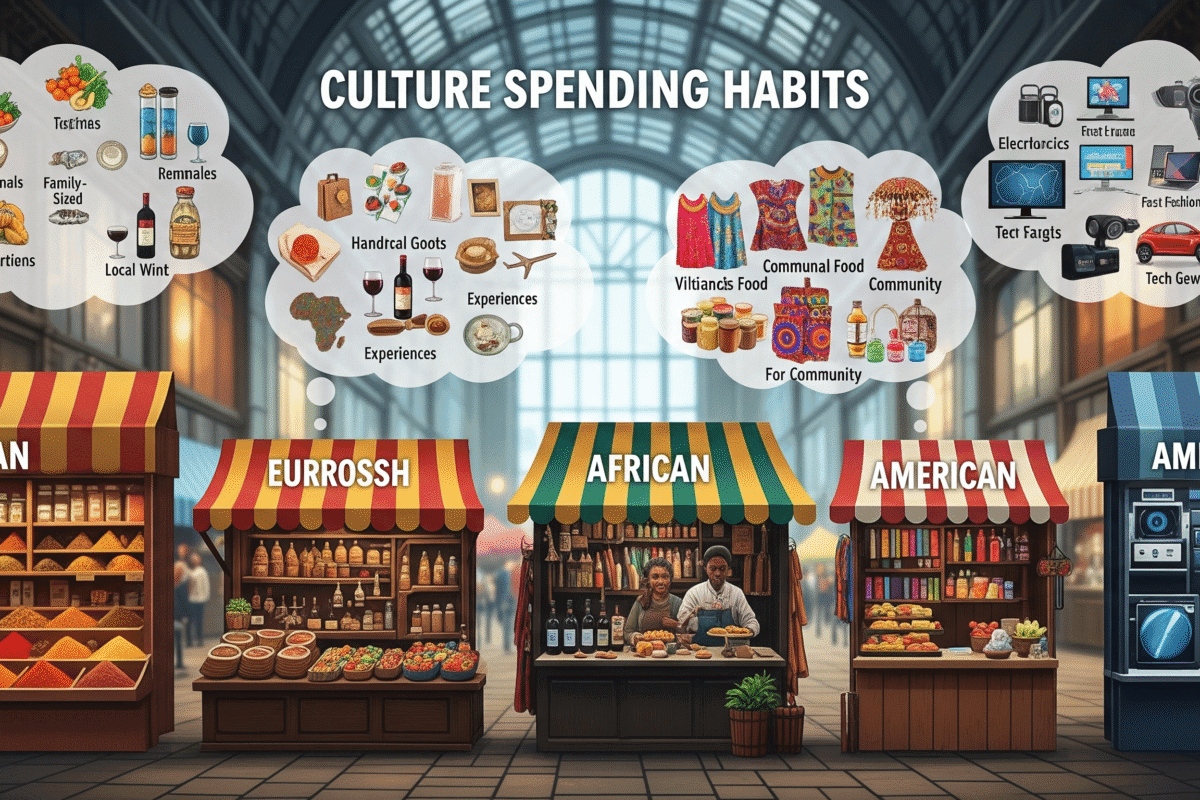
How Culture Influences Spending Habits:
How Culture Influences Spending Habits:
In today’s interconnected world, consumer behavior is no longer shaped only by income levels and market trends. Culture — a society’s shared values, traditions, and social norms — plays a decisive role in how people spend, save, and invest. From the United States’ credit-driven consumerism to Japan’s disciplined saving practices, cultural context often explains the striking differences in global spending habits.
This article explores how culture influences spending habits across the globe, examining everything from shopping preferences and financial decision-making to the psychology behind saving and investing.
HSBC Cashback Credit Card 2025 – Benefits, Rewards & How to Apply?

The Link Between Culture and Consumer Behavior
Culture refers to the beliefs, values, customs, and social norms that guide how individuals interact with the world. When applied to economics, culture influences:
- Perceptions of wealth – what it means to be “successful” financially.
- Attitudes toward saving vs. spending – whether money should be used immediately or saved for the future.
- Risk tolerance – whether societies embrace investments and loans or avoid debt altogether.
- Shopping habits – choices between luxury, necessity, and convenience.
For businesses, policymakers, and economists, understanding these cultural differences is essential to predicting consumer demand and shaping marketing strategies.
Spending Habits in the United States: Consumerism as Culture
The U.S. is often cited as the world’s epicenter of consumerism. The American Dream — the belief that prosperity is attainable through hard work — encourages spending as a reflection of success.
- High credit card usage: Americans are more likely to finance big purchases with credit, reflecting a culture of immediate gratification.
- Brand-driven shopping: Status symbols such as cars, fashion, and technology define social standing.
- Holiday spending: Events like Black Friday and Cyber Monday reflect how cultural traditions fuel consumption.
Surveys show that more than 60% of U.S. households carry some form of credit card debt, which reflects the cultural norm of “buy now, pay later.”
Japan: A Culture of Saving and Discipline
Japan represents the opposite end of the spectrum. Rooted in Confucian values and post-war frugality, Japanese culture prioritizes saving and financial caution.
- High savings rate: Japanese households traditionally maintain one of the highest savings rates in the developed world.
- Cash preference: Despite technological advancements, many Japanese still prefer cash transactions over credit.
- Minimalism movement: Modern Japanese culture embraces “less is more,” influencing spending on experiences rather than material goods.
This cultural mindset ensures long-term financial security but can sometimes limit consumer demand, creating challenges for Japan’s economy.
Europe: Balance Between Tradition and Modern Consumerism
Europe demonstrates how culture can shape financial behavior within a shared economy. Europe’s north and south exhibit sharp differences:
- Northern Europe (Germany, Sweden, Netherlands): Cultures emphasize saving, debt aversion, and long-term planning. Germans, for instance, are known for their thriftiness and financial caution.
- Southern Europe (Italy, Spain, Greece): Spending is more socially driven, with emphasis on family gatherings, food, and celebrations. Debt tolerance is higher, and lifestyle spending often takes priority.
The European Union’s diverse consumer culture challenges businesses to adapt marketing campaigns across different cultural regions.
Middle East: Tradition and Religion Influence Expenditure
Islamic values have a significant impact on financial behavior in several Middle Eastern nations.
- Interest-free banking: Islamic finance regulates borrowing and investing by forbidding interest (riba).
- Consumption of luxury goods has increased due to oil wealth, and places like Dubai are becoming major international shopping destinations.
- Family and community spending: Strong cultural emphasis on family means higher spending on weddings, social events, and hospitality.
Here, spending reflects both cultural pride and religious traditions, blending conservative finance with luxury consumption.
India: Tradition Meets Modern Consumerism
India’s spending habits reflect a complex mix of cultural heritage and modern aspirations.
- Gold as savings: Families invest heavily in gold jewelry, a tradition tied to wealth preservation and marriage customs.
- Rising middle class: Growing disposable income has fueled demand for branded products, technology, and travel.
- Frugality in rural areas: Despite modernization, many Indian households still prioritize savings and avoid debt.
India illustrates how culture evolves — blending centuries-old traditions with emerging global consumerism.
Africa: Spending as a Social and Cultural Experience
In Africa, spending is often influenced by community ties and collective values.
- Extended family responsibilities: Individuals often support not just their household but extended family members.
- Cash economy: Many African countries still rely heavily on cash transactions.
- Cultural events: Weddings, funerals, and community gatherings drive significant spending.
As mobile money platforms like M-Pesa expand, Africa is witnessing a cultural shift in spending — blending tradition with digital finance.
Latin America: Community, Celebration, and Consumption
Latin American spending habits often reflect the region’s emphasis on family and social life.
- Celebratory spending: Families prioritize festivals, holidays, and communal gatherings.
- Credit reliance: Economic instability often forces reliance on credit or informal lending.
- Brand aspirations: Younger generations increasingly associate global brands with status and success.
How Culture Shapes Saving Habits
Across societies, saving is either seen as a virtue or a barrier to living fully.
- High-saving cultures: Japan, Germany, and China view saving as responsibility and security.
- Low-saving cultures: The U.S. and Latin America often prioritize lifestyle spending over long-term savings.
Cultural values — whether rooted in religion, philosophy, or economic history — explain these differences.
Investment and Risk: Cultural Disparities
Another area where culture influences behavior is risk-taking.
- Western cultures (the US and the UK) are more inclined to invest in stocks and real estate, taking on more risks in exchange for greater returns.
- Safer assets like government bonds, gold, and savings accounts are preferred in Asian societies (China, Japan).
- Middle East: While limiting speculative trading, Islamic finance promotes profit-sharing investments.
Globalization and Shifting Consumer Behavior
Spending has historically been influenced by culture, but globalization is changing how people buy things all throughout the world.
- Influence of social media: Sites like Instagram and TikTok spread worldwide trends, frequently displacing conventional spending habits.
- E-commerce boom: Online purchasing gives customers worldwide access and lowers cultural barriers.
- Differences between generations: Younger generations tend to spend more money on leisure and vacation than on tangible goods.
Important Business Takeaways
For global companies, understanding cultural spending habits is critical.
- Localized marketing: Tailoring ads to cultural values increases consumer trust.
- Product preferences: Japanese consumers may prioritize quality and durability, while Americans may prefer innovation and convenience.
- Payment methods: Some markets still prefer cash, while others embrace digital wallets.
Conclusion
Culture is more than art, language, or tradition — it is a powerful economic force shaping how people spend, save, and invest. From Japan’s disciplined thrift to America’s consumer-driven lifestyle, cultural values guide financial choices worldwide.
As globalization continues, cultures evolve, blending local traditions with global consumerism. For businesses, policymakers, and individuals alike, understanding cultural influences on spending is key to navigating the modern economy.
Hyperinflation Case Studies: Venezuela, Zimbabwe & Beyond – Lessons for the Global Economy
Hyperinflation Case Studies: Venezuela, Zimbabwe & Beyond – Lessons for the Global Economy