 A K
A K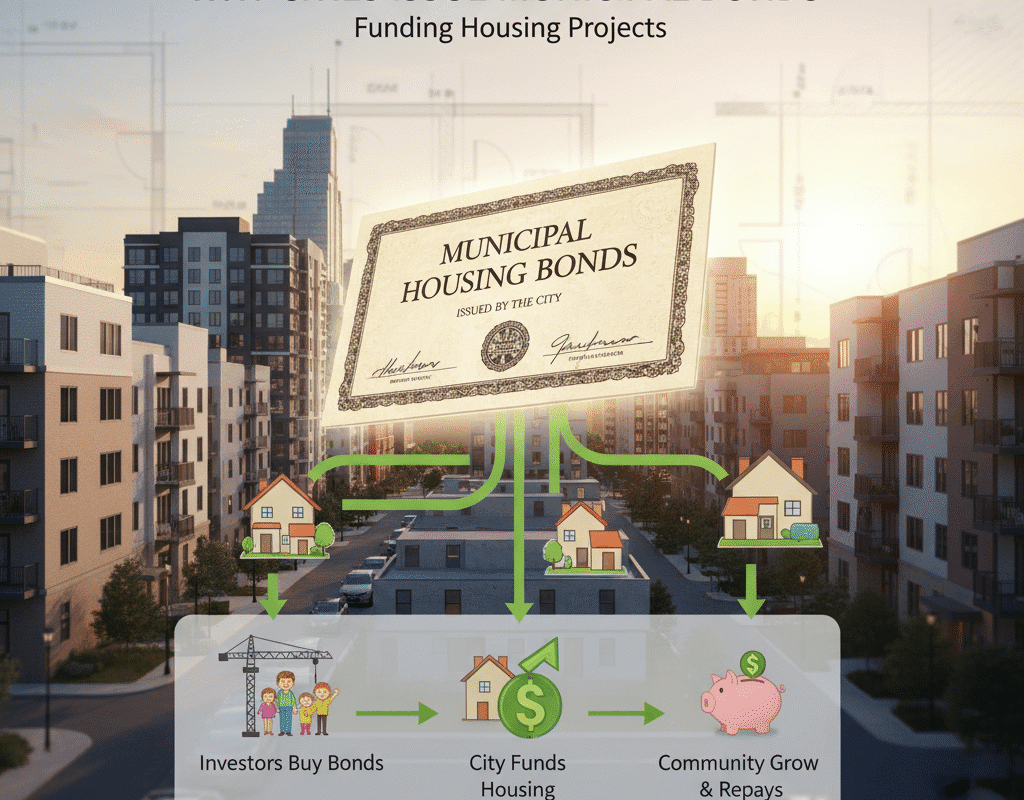
Why Cities Issue Municipal Bonds for Housing Projects?
Why Cities Issue Municipal Bonds for Housing Projects?
Affordable housing has become one of the most pressing issues in cities across the United States. As urban populations grow, the demand for quality, affordable homes continues to rise, putting immense pressure on local governments. To address this challenge, cities often turn to municipal bonds—a key financial tool that enables them to fund large-scale housing projects without relying solely on taxpayer revenue.
What Are Municipal Bonds?
Municipal bonds, commonly referred to as “munis,” are debt securities issued by cities, counties, or states to raise capital for public projects. These bonds are essentially loans from investors to local governments, which promise to repay the borrowed funds over a set period with interest. Municipal bonds are typically tax-exempt at the federal level, making them an attractive investment for individuals seeking stable returns while supporting community development.
Municipal bonds can be issued for a variety of purposes, including building schools, roads, hospitals, and public utilities. In the context of housing, cities issue these bonds to finance affordable housing developments, public housing projects, and urban renewal initiatives
HSBC Cashback Credit Card 2025 – Benefits, Rewards & How to Apply?

Why Housing Projects Require Large-Scale Financing
Housing projects, particularly those aimed at affordability, require substantial upfront investment. Costs include:
- Land acquisition
- Construction materials and labor
- Infrastructure such as roads, sewage, and electricity
- Amenities such as parks, schools, and community centers
Many municipalities lack sufficient budget allocations to fund these projects directly. Issuing municipal bonds allows cities to access significant capital upfront while spreading repayment over many years. This approach ensures that housing projects can proceed without disrupting other essential city services.
The Operation of Municipal Bonds in Housing Projects
The following procedures are usually followed when a city chooses to issue bonds for a housing project:
Project Suggestion
The necessity for housing development is determined by the local government, which also describes the project’s scope, construction costs, and anticipated community benefits.
Procedure for Approval
The majority of bond issuances need the consent of local voters, city councils, or other governing authorities. Transparency and community support are guaranteed by this step.
Issuing Bonds
Investors can purchase municipal bonds from the city, which have a specified interest rate and payback timeline. Depending on the scope and length of the project, bonds might be either short-term or long-term.
Allocation of Funds
The housing project uses the bond sale proceeds to pay for infrastructure development, land acquisition, and construction.
Challenges and Risks of Issuing Municipal Bonds
While municipal bonds are a powerful tool, they are not without challenges:
- Debt Burden: Over-reliance on bonds can strain a city’s finances, especially if revenue projections fall short.
- Construction Delays: Unexpected delays or cost overruns in housing projects can complicate repayment schedules.
- Interest Rate Fluctuations: Rising interest rates may increase borrowing costs, impacting municipal budgets.
- Investor Confidence: Maintaining trust with investors is crucial. Any mismanagement can affect future bond issuances.
The Effects on Communities
Municipal bonds support wider social and economic advantages in addition to home financing:
- Decreased Homelessness: Vulnerable populations can find refuge in affordable housing initiatives.
- Community Stability: Having access to secure homes improves neighborhood harmony.
- Employment Creation: Housing initiatives boost local companies and provide jobs.
- Urban Renewal: By revitalizing neglected neighborhoods, bond-funded housing projects can increase local tax income and property prices.
Cities can provide a sustainable framework for long-term urban development by wisely issuing municipal bonds.
In conclusion: Why Cities Issue Municipal Bonds for Housing Projects?
In today’s rapidly urbanizing world, cities face immense pressure to provide affordable housing. Municipal bonds offer a practical and effective solution by enabling local governments to raise substantial capital without overburdening taxpayers. From stimulating economic growth to fostering community development, municipal bonds play a critical role in shaping the urban landscape and addressing housing challenges.
By understanding how municipal bonds work and their impact on housing projects, residents and investors alike can appreciate the importance of this financial tool in building stronger, more inclusive cities.
The Role of Immigration in Solving the U.S. Labor Shortage: Challenges and Opportunities
The Role of Immigration in Solving the U.S. Labor Shortage: Challenges and Opportunities