 A K
A K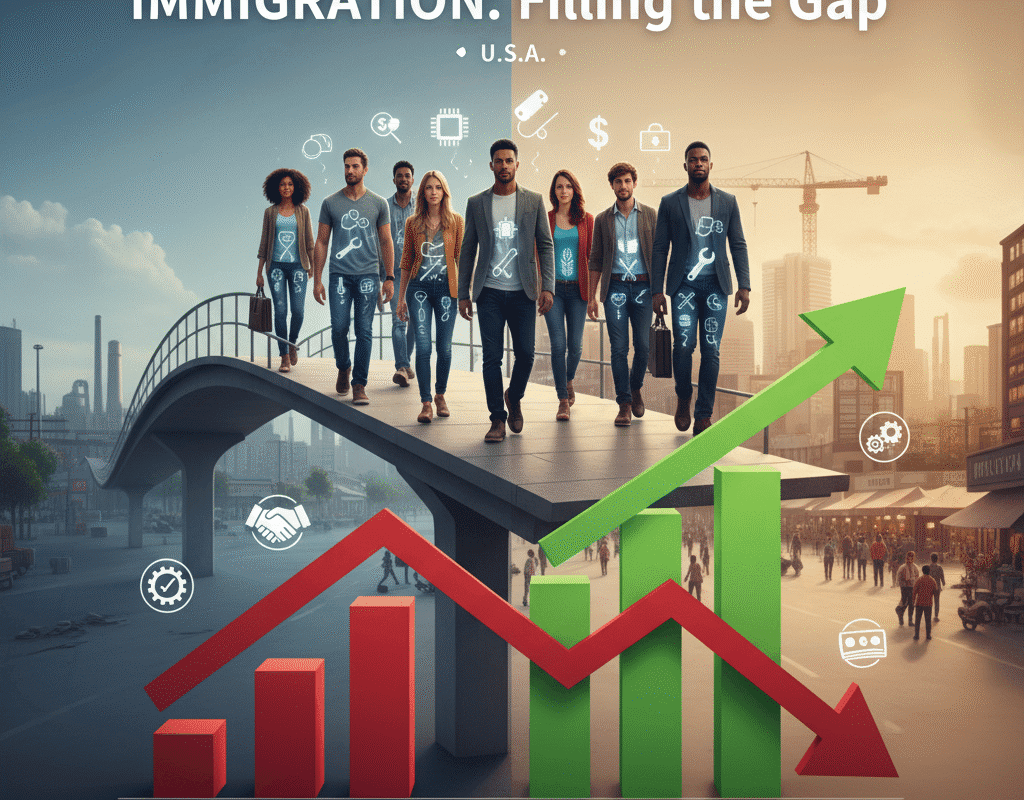
The Role of Immigration in Solving the U.S.
The Role of Immigration in Solving the U.S.
The US has been dealing with a chronic labor shortage in a number of industries, including technology, healthcare, construction, and agriculture. Immigration has become a crucial component in filling these labor shortages as companies struggle to fill vacancies. Economic, social, and policy factors all play a part in the intricate relationship between immigration and the American labor market. Policymakers, companies, and the general public must comprehend how immigrant workers affect labor supply, economic growth, and industry stability.
HSBC Cashback Credit Card 2025 – Benefits, Rewards & How to Apply?

Understanding the U.S. Labor Shortage
The U.S. labor shortage is characterized by a significant imbalance between job vacancies and available workers. According to recent data from the Bureau of Labor Statistics, millions of positions remain unfilled in sectors such as healthcare, manufacturing, hospitality, and logistics. Several factors contribute to this shortage, including:
- Aging Population: As baby boomers retire, the labor force shrinks, leaving critical gaps in skilled and unskilled jobs.
- Skills Mismatch: Rapid technological advancements have created a gap between available workers and required skills.
- Low Participation Rates: Certain demographics, such as younger workers or those with limited education, may not participate fully in the labor market.
- Wage and Work Conditions: Low wages and challenging working conditions deter workers from certain industries.
The Impact of Immigration on the Workforce
The American economy has traditionally relied heavily on immigrant labor. They fill roles that are hard to staff domestically and often contribute to sectors experiencing severe labor shortages. For example:
- Agriculture: Migrant labor is crucial for planting, harvesting, and processing crops. Without immigrant workers, many farms face reduced productivity and higher costs.
- Healthcare: Immigrants make up a substantial portion of nurses, caregivers, and support staff, helping address gaps in patient care.
- Technology and STEM Fields: Skilled immigrants in tech, engineering, and research strengthen innovation and competitiveness.
- Hospitality and Service Industries: Restaurants, hotels, and retail businesses rely heavily on immigrant labor for operational continuity.
The Prospects for Labor and Immigration
Experts concur that immigration will remain a vital instrument in resolving the labor shortfall in the United States. However, all-encompassing approaches are needed for a sustainable solution:
- Modernizing Immigration Systems: Improving access to visas and lowering administrative barriers can boost labor force participation.
- Targeted Recruitment: Efficiency is ensured by identifying industries with severe labor shortages and coordinating immigration policies to close such gaps.
- Domestic Workforce Development: By supplementing immigrant labor with investments in education, vocational training, and apprenticeship programs, a strong labor ecosystem is created.
- Managing Public Opinion and Policy: Open dialogue on the advantages of immigration can increase public support.
The Prospects for Labor and Immigration
Experts concur that immigration will remain a vital instrument in resolving the labor shortfall in the United States. However, all-encompassing approaches are needed for a sustainable solution:
- Modernizing Immigration Systems: Improving access to visas and lowering administrative barriers can boost labor force participation.
- Targeted Recruitment: Efficiency is ensured by identifying industries with severe labor shortages and coordinating immigration policies to close such gaps.
- Domestic Workforce Development: By supplementing immigrant labor with investments in education, vocational training, and apprenticeship programs, a strong labor ecosystem is created.
- Managing Public Opinion and Policy: Open dialogue on the advantages of immigration can increase public support.
In conclusion: The Role of Immigration in Solving the U.S.
Immigration is a cornerstone in addressing the U.S. labor shortage. From unskilled agricultural work to highly specialized tech and healthcare positions, immigrant workers sustain essential industries and contribute to economic growth. While challenges in policy, integration, and public perception remain, strategic approaches can optimize immigration’s positive impact on the labor market.
As the U.S. continues to navigate demographic shifts, technological advancements, and global competition, embracing immigration as a labor market solution will be crucial. Recognizing the role of immigrant workers not only addresses immediate workforce gaps but also strengthens the long-term resilience of the American economy.
The Financial Future of America’s Newspaper Industry: Challenges, Innovation, and the Road Ahead
The Financial Future of America’s Newspaper Industry: Challenges, Innovation, and the Road Ahead