 A K
A K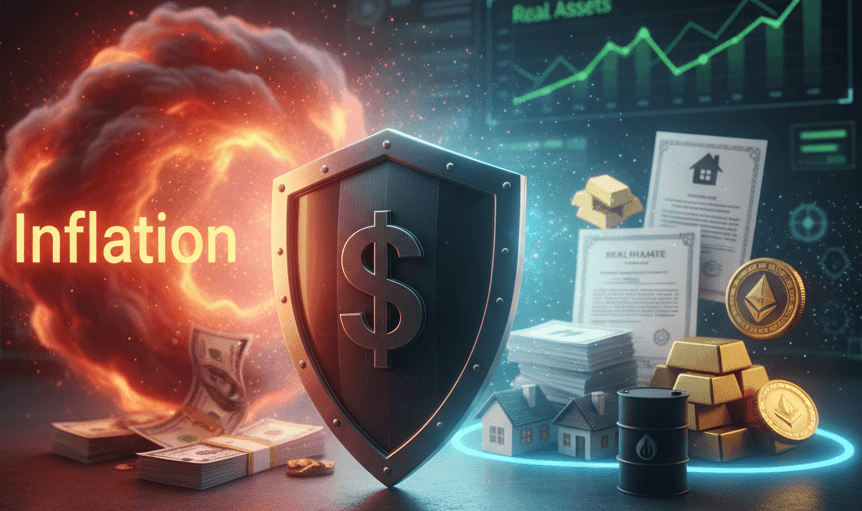
How to Hedge Against Inflation in 2025?
How to Hedge Against Inflation in 2025?
Inflation has once again become a pressing concern for Americans in 2025, with rising costs in food, housing, healthcare, and fuel directly impacting household budgets. The U.S. economy continues to grapple with price fluctuations, and ordinary citizens are asking one key question:
How can I hedge against inflation and protect my money from losing value?
This in-depth guide explores the best inflation hedges, investment opportunities, and practical money-saving strategies to safeguard your wealth in uncertain times.
HSBC Cashback Credit Card 2025 – Benefits, Rewards & How to Apply?

What Is Inflation and Why It Matters
Inflation occurs when the general price level of goods and services rises, reducing the purchasing power of money. In other words, $100 today won’t buy as much tomorrow.
Some inflation is normal in a growing economy, but persistent high inflation can erode savings, increase debt burdens, and destabilize financial planning. For example:
- A gallon of milk that cost $3 a year ago may now cost $3.50.
- Rent may rise by 5–10% annually in major U.S. cities.
- Gasoline prices may fluctuate but trend upward over time.
If wages don’t keep up, the average household struggles — making it vital to find protection strategies against inflation.
Why Inflation Protection Is Crucial in 2025
Several factors make inflation particularly concerning this year:
- Federal Reserve Policy – Interest rate adjustments create uncertainty in borrowing and savings.
- Global Supply Chain Issues – Ongoing disruptions impact food, energy, and electronics prices.
- Geopolitical Tensions – Conflicts abroad can spike oil and commodity costs.
- Rising Government Debt – Deficit spending puts pressure on the dollar’s long-term value.
With these risks, it’s more important than ever to know where to put your money when inflation rises.
How to Protect Yourself from Inflation
Invest in commodities, such as agriculture, gold, silver, and oil.
Gold has long been seen as the classic inflation hedge, holding its value when paper money weakens. Silver and platinum also perform well during high inflation.
- Gold: A safe-haven asset that usually rises when inflation is high.
- Oil & Energy: Prices increase with inflation, benefiting investors in energy companies.
- Agriculture: Food prices typically rise faster than wages, making agricultural investments strong inflation hedges.
Real Estate and REITs (Property as an Inflation Hedge)
Real estate historically provides strong protection because property values and rents rise with inflation.
- Direct Real Estate Investment: Buying rental properties generates cash flow that increases with inflation.
- REITs (Real Estate Investment Trusts): A more accessible way to invest in real estate without direct property ownership.
Securities Protected by Treasury Inflation (TIPS)
TIPS are government bonds issued by the US government that are expressly meant to guard against inflation.
- TIPS’s principle value rises in line with inflation, guaranteeing that your investment will always have actual worth.
- They are supported by the US Treasury and are regarded as low-risk.
Using Stocks to Protect Against Inflation
While some industries do well amid inflation, not all equities do:
- Energy Stocks: As fuel costs rise, oil and gas businesses profit.
- Consumer staples: Demand for food, drinks, and necessities for the home is constant.
- Healthcare: Dependable and resilient to economic downturns.
- Technology: Despite inflation, several IT companies are still expanding, particularly in cloud computing and artificial intelligence.
Using Cryptocurrency as a Contemporary Hedging
Bitcoin and other digital assets are sometimes referred to as “digital gold.” Bitcoin has grown in favor as a long-term hedge against government money production, despite its volatility.
- Benefits: Decentralized, with a 21 million Bitcoin limitation on supply.
- Cons: Uncertainty in regulations and price volatility.
Currency diversification and foreign investments
During times of inflation, the value of the US dollar may decline. One hedge is to diversify into foreign currencies or international equities that benefit from stronger economies abroad.
- Swiss Franc & Japanese Yen – Historically strong safe-haven currencies.
- Emerging Market Stocks – Some countries grow faster when U.S. inflation rises.
Hard Assets: Land, Art, and Collectibles
People resort to material possessions when money depreciates:
- Collectibles and art can appreciate greatly.
- Both income and long-term appreciation are produced by farmland and timberland.
- Coins, fancy timepieces, and rare antiques like vintage autos serve as inflation hedges.
Daily Money-Saving Techniques to Combat Inflation
Not everyone wishes to make real estate or gold investments. There are still useful financial strategies that average Americans can use to protect themselves from inflation:
Pay Off Debt Before Interest Rates Increase
Interest rates typically rise in response to high inflation. A set lower rate refinance shields you from future hikes on credit card balances, auto loans, and home debt.
Purchase Non-Perishable Items in Bulk
A direct inflation hedge is to purchase in bulk before prices increase. Rice, pasta, and canned goods are pantry staples that may save households hundreds of dollars per year.
Establish an Emergency Fund
Inflation reduces the value of cash, but liquidity is still crucial. A high-yield savings account should have at least three to six months’ worth of spending.
Side Hustles & Skill Development
When inflation erodes wages, extra income streams (freelancing, online businesses, or gig work) can provide protection. Upskilling ensures your career income keeps pace with inflation.
Cut Discretionary Spending
Reevaluate subscriptions, luxury expenses, and non-essential purchases. Inflation hedging isn’t only about investments — it’s also about budget control.
Inflation Outlook for the U.S. in 2025
Experts suggest inflation may remain elevated throughout 2025 due to:
- Federal Reserve’s cautious monetary tightening.
- Rising global energy costs.
- Persistent housing market shortages.
- Wage growth lagging behind inflation.
This means households and investors should proactively position themselves for sustained inflation rather than waiting for prices to stabilize.
Risks and Mistakes to Avoid When Hedging Against Inflation
Hedging is important, yet there are hazards associated with various strategies:
- Overinvesting in gold or crypto → Lack of diversification.
- Panic-buying assets → Leads to paying inflated prices.
- Holding too much cash → Guaranteed loss of value in high inflation.
- Ignoring debt → High-interest loans can spiral during inflationary cycles.
Always balance your approach with long-term stability in mind.
Concluding Remarks: Guarding Your Wealth Against Inflation
Your income, assets, and savings all gradually lose value due to inflation, which is a quiet wealth killer. However, you may use inflation to your advantage if you have the correct plan.
In summary:
- Gold, real estate, TIPS, energy stocks, and a few cryptocurrencies are the best inflation hedges.
- Daily Techniques: Side projects, bulk purchases, and debt refinance.
- Long-Term Perspective: Never depend on just one hedge; diversification is essential.
Americans can not only survive but also prosper in an inflationary market by combining investments with prudent financial practices.
Why Most Budgets Fail in the First Month: Key Reasons and Solutions
Why Most Budgets Fail in the First Month: Key Reasons and Solutions