 A K
A K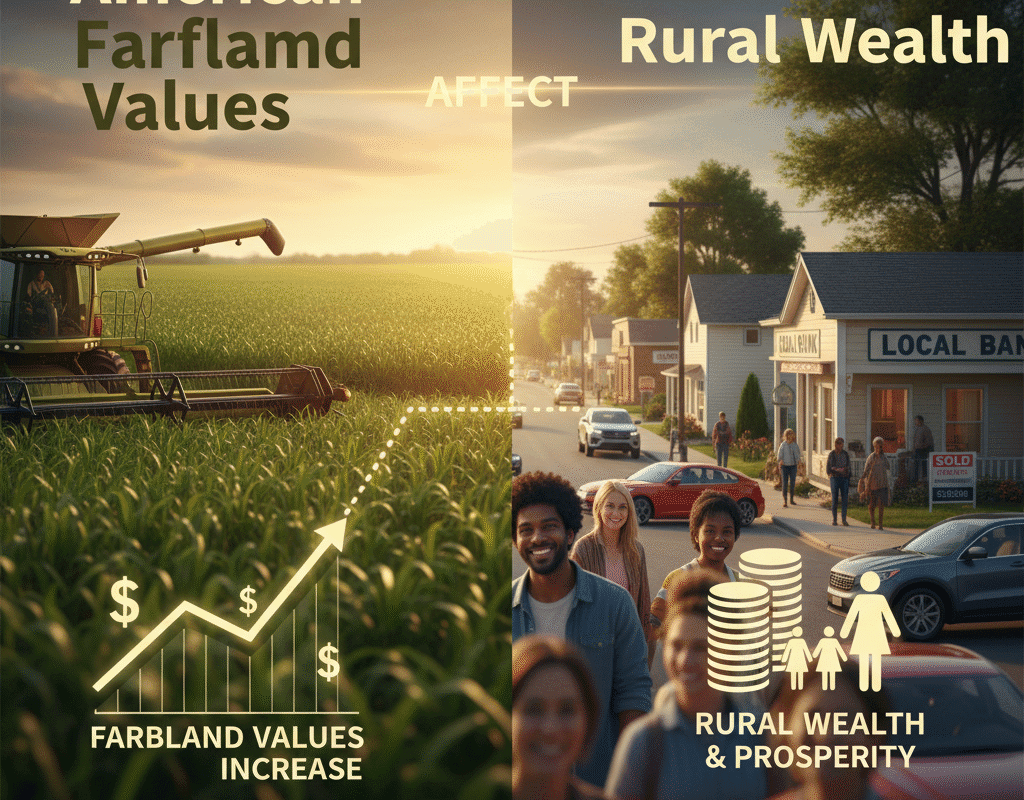
How Rising American Farmland Values Are Shaping?
How Rising American Farmland Values Are Shaping?
The landscape of American agriculture is more than rolling fields and iconic barns—it is a cornerstone of rural wealth, shaping the economic realities of millions of Americans.
Farmland is not just the basis of food production; it is a critical financial asset for rural communities, influencing income, investment potential, and generational wealth. In recent years, the value of American farmland has seen dramatic fluctuations, prompting questions about how these changes affect rural prosperity.
HSBC Cashback Credit Card 2025 – Benefits, Rewards & How to Apply?

The Rise of Farmland Values in the U.S.
Farmland in the United States has experienced consistent appreciation over the past several decades. According to historical data from the U.S. Department of Agriculture (USDA), the average value of farmland increased by more than 3% annually over the last 50 years, with notable surges during periods of economic growth, low interest rates, and high commodity prices.
Several factors drive this increase:
- Supply and Demand Dynamics:
The total amount of farmland in the U.S. is relatively fixed. Urban sprawl, infrastructure projects, and environmental restrictions reduce the available land for agriculture, creating scarcity that drives prices up.
- Commodity Prices:
Higher prices for crops like corn, soybeans, and wheat increase the income potential of farmland, which directly boosts its market value. For land that offers greater yields, both farmers and investors are prepared to pay more.
- Low-Interest Rates and Investment Appeal:
Historically low interest rates have made borrowing to purchase farmland more attractive. Farmland is also considered a stable, long-term investment, appealing to both domestic and international investors seeking portfolio diversification.
- Government Subsidies and Support:
Agricultural subsidies and support programs enhance the profitability of farming operations, indirectly influencing land values. Areas with consistent subsidy support often see higher farmland prices.
Regional Differences in Farmland Value Impact
The effect of farmland values on rural wealth is not uniform across the U.S. Regions with highly productive cropland, such as the Corn Belt, generally experience stronger land value growth, whereas areas with less fertile soil or challenging climates see slower appreciation.
- Midwest: High commodity production, combined with advanced agricultural technology, drives land value appreciation and robust rural wealth.
- South: Farmland values vary depending on crop types and proximity to urban centers, with some areas seeing rapid growth due to development pressures.
- West: Water availability and land use restrictions heavily influence farmland values, impacting wealth in arid regions differently than in fertile valleys.
Outlook for the Future
Experts predict that U.S. farmland values will continue to rise, though at a more moderated pace than in previous decades. Climate change, trade policies, and global commodity demand will be key factors shaping the market. Rural wealth will increasingly depend on balancing land ownership with sustainable and diversified agricultural practices.
Additionally, technology adoption—like precision agriculture, automated equipment, and renewable energy integration—can further influence the economic benefits of farmland. Farmers who leverage these innovations can enhance productivity and wealth while maintaining environmental sustainability.
In conclusion: How Rising American Farmland Values Are Shaping?
American farmland is more than just a plot of earth; it is a critical determinant of rural wealth and community prosperity. Rising farmland values have strengthened the financial stability of many landowners, improved access to credit, and supported generational wealth transfer. However, these trends also bring challenges, including affordability for new farmers, debt risk, and wealth inequality.
The future of rural wealth in the U.S. will hinge on thoughtful policies, sustainable land management, and careful attention to market trends. Understanding the dynamics of farmland values is essential for policymakers, investors, and communities alike, as these values directly shape the economic fabric of rural America.
The Economics of Private Credit Funds in U.S. Finance: Trends, Risks, and Opportunities
The Economics of Private Credit Funds in U.S. Finance: Trends, Risks, and Opportunities