 A K
A K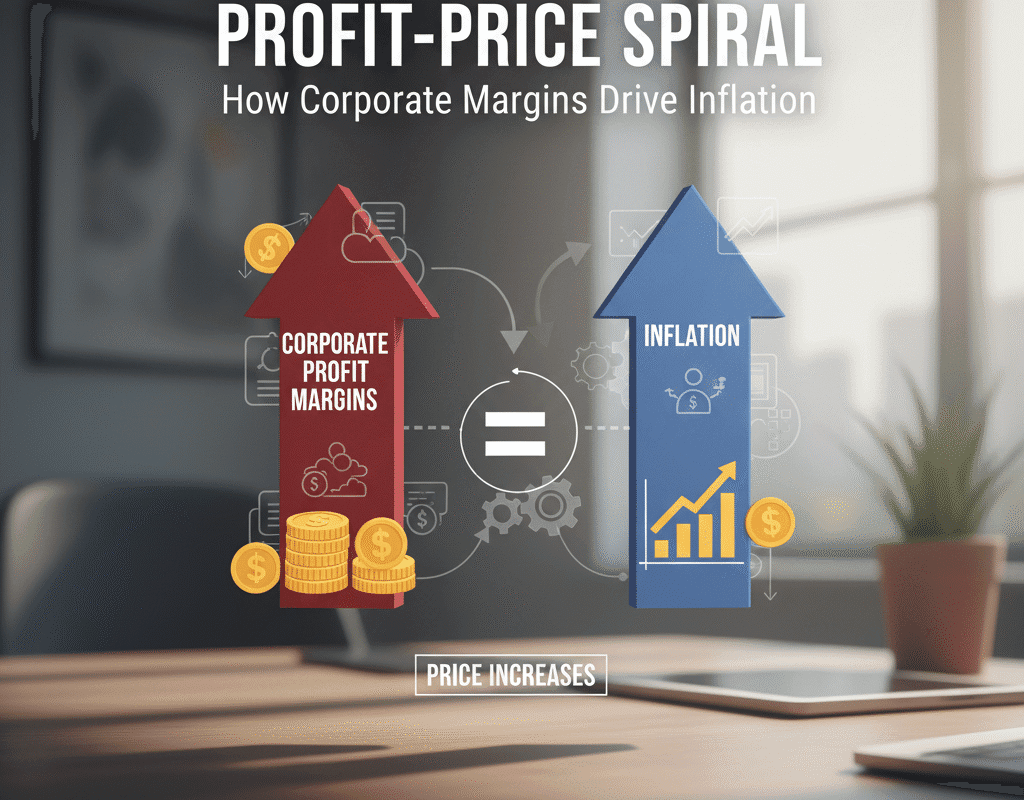
How Corporate Profit Margins Drive and Respond to Inflation?
How Corporate Profit Margins Drive and Respond to Inflation?
In recent years, inflation has emerged as one of the most closely monitored economic indicators. Government policies, company strategy, and consumer purchasing power are all impacted. Corporate profit margins are an important but less evident factor in understanding inflation. Corporate profits, which are simply the difference between income and costs, can both impact and react to inflation, even though it is typically defined in terms of increased prices or monetary supply.
HSBC Cashback Credit Card 2025 – Benefits, Rewards & How to Apply?

Inflation and Its Drivers
Inflation is the rate at which the general level of prices for goods and services rises, eroding purchasing power. In the U.S., inflation is measured by the Consumer Price Index (CPI) and the Producer Price Index (PPI). Factors driving inflation include:
- Demand-Pull Inflation: Occurs when demand outpaces supply, pushing prices higher.
- Cost-Push Inflation: Occurs when production costs rise, and businesses pass these costs to consumers.
- Built-In Inflation: When expectations of future inflation lead businesses and workers to preemptively raise prices and wages.
Understanding how corporate profit margins fit into these dynamics is essential because businesses are both contributors to and responders to inflation.
Historical Perspective: US Inflation and Profit Margins.
Historically, corporate profit margins and inflation have displayed interesting patterns:
- 1970s Stagflation: High inflation combined with stagnant profits highlighted how cost-push inflation can squeeze corporate earnings.
- 1990s Tech Boom: Profit margins expanded as technology firms gained pricing power, yet inflation remained relatively low due to productivity gains.
- Post-2008 Financial Crisis: Many corporations maintained or increased margins through cost-cutting, even during slow economic recovery, demonstrating that margins do not always move in tandem with inflation.
Sector-Specific Dynamics
Not all industries experience the same relationship between profit margins and inflation. Key examples include:
- Consumer Staples: Companies producing essential goods often maintain stable profit margins and pass modest cost increases to consumers, slightly contributing to inflation.
- Energy and Commodities: These sectors are highly sensitive to raw material costs, and sharp price swings can cause both margins and inflation to fluctuate.
- Technology: High-margin tech firms may increase prices selectively, influencing inflation primarily in services rather than goods.
The Effect on Customers
Consumers are impacted by corporate profit margins and inflation in a number of ways:
- Increased Prices: Ordinary goods and services become more costly when businesses raise prices to preserve or increase margins.
- Pay Pressures: If profit-driven price increases surpass pay growth, inflation may lead to wage increases that have an effect on household budgets.
- Investment Behavior: During inflationary times, rising company earnings may pique investors’ attention and possibly stimulate stock markets.
Current Trends in U.S. Corporate Profits and Inflation
As of 2025, U.S. corporate profit margins remain resilient in many sectors despite inflationary pressures. Factors shaping this landscape include:
- Supply Chain Disruptions: Some industries face rising costs that erode margins, while others pass costs to consumers.
- Consumer Demand Shifts: Post-pandemic consumption trends have allowed certain companies to sustain high margins even as inflation persists.
- Technological Innovation: Automation and AI reduce labor costs, supporting higher margins without exacerbating inflation.
In conclusion: How Corporate Profit Margins Drive and Respond to Inflation?
Inflation and business profit margins have a complicated, reciprocal relationship. While rising costs can compress margins, companies with pricing power can maintain or expand profitability, sometimes contributing to inflation. Policymakers, investors, and consumers must monitor this dynamic to understand broader economic trends and make informed decisions.
Ultimately, corporate profit margins are both a mirror and a lever of inflation. They reflect how businesses respond to cost pressures, and in turn, they influence the prices that shape the everyday economic reality for millions of Americans. By studying these relationships, economists can better anticipate inflation trends, and companies can strategically manage pricing, costs, and growth in a constantly evolving economy.
How Rising American Farmland Values Are Shaping Rural Wealth
How Rising American Farmland Values Are Shaping Rural Wealth