 A K
A K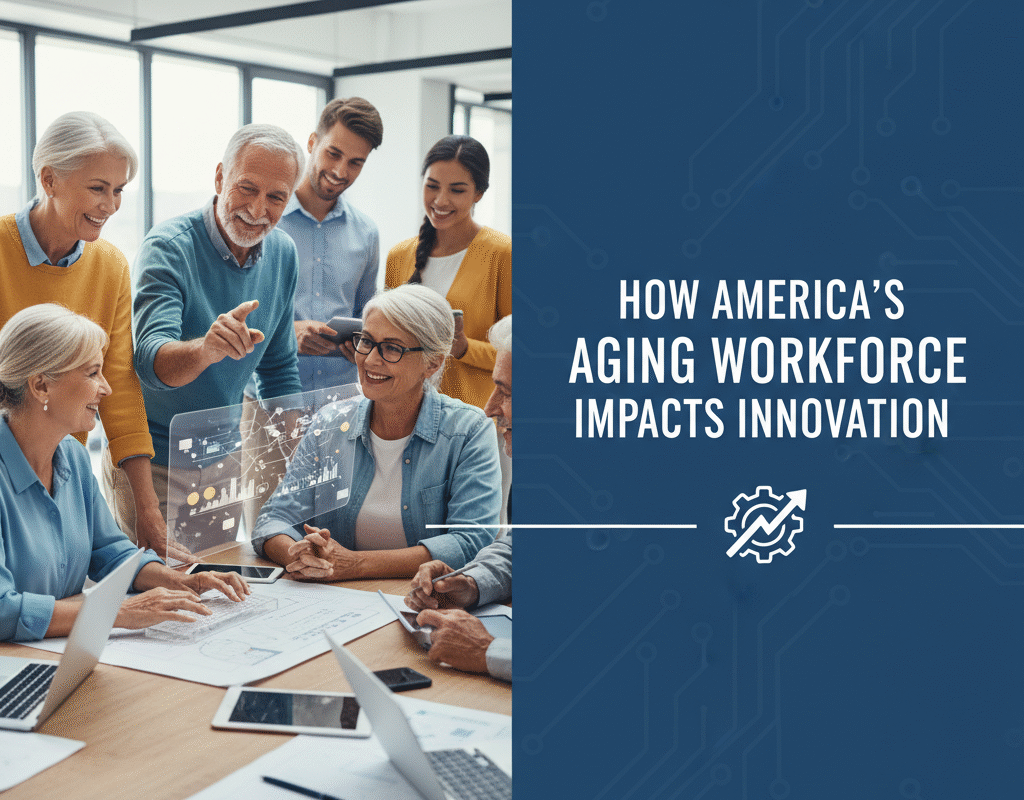
How America’s Aging Workforce Is Reshaping Innovation?
How America’s Aging Workforce Is Reshaping Innovation?
As the United States moves deeper into 2025, a profound demographic shift is reshaping the backbone of its economy. The nation’s workforce is aging faster than many policymakers expected, and the effects are beginning to ripple through industries, corporate strategies, and the country’s capacity for innovation. For decades, America’s economic edge came from its dynamic labor market—rich with young talent, entrepreneurial risk-takers, and a constant influx of new workers. Today, that landscape looks very different.
An unprecedented share of American workers are now over 55, a trend driven by increased life expectancy, delayed retirement, and the exit of younger generations from traditional career paths. The retirement of Baby Boomers—long anticipated—is accelerating, leaving behind widening gaps in skilled trades, technology sectors, and public services.
HSBC Cashback Credit Card 2025 – Benefits, Rewards & How to Apply?

The Demographic Shift Transforming the Labor Market
The U.S. workforce has always been a mix of young and old employees, but the balance is changing sharply. Today, workers aged 55 and older account for nearly one in four of all employed Americans. Several factors contribute to this demographic reality:
- Longer lifespans: Americans are living—and staying healthy—longer than previous generations.
- Economic necessity: Rising living costs and insufficient retirement savings compel many older workers to remain employed.
- Low birth rates: Fewer younger workers are entering the labor market to replace retirees.
- Delayed retirement norms: The idea of retiring at 60 or 65 is no longer universal.
Industry-Specific Effects on Innovation
Biotechnology and Healthcare
Compared to the national average, the healthcare workforce is aging considerably more quickly. Innovation in this sector is essential because millions of elderly Americans need advanced care, but bottlenecks are caused by a lack of young nurses, technicians, and researchers.
Engineering and Manufacturing
The retirement wave is most detrimental to manufacturing innovation. Younger workers are less interested in professions in manufacturing and mechanics, and the skilled trades gap is growing every year.
Infrastructure and the Public Sector
Government organizations, including utilities and transportation, are facing significant retirements. Innovation in these areas is sluggish and complicated since older workers possess vital knowledge about the country’s infrastructure systems.
Economic Consequences for the United States
An aging workforce influences broader economic dynamics that shape national innovation:
- Lower overall labor productivity
- Higher healthcare and benefits costs for employers
- Increased taxes for younger workers
- Slower GDP growth
- Reduced competitiveness against younger workforces in Asia
Countries like South Korea, Singapore, and India invest aggressively in young skill development, potentially widening the innovation gap.
At the same time, the U.S. risks losing its traditionally dynamic entrepreneurial ecosystem if fewer young workers participate in high-growth industries.
Policy Solutions for Sustaining Innovation
Government plays a crucial role in shaping long-term innovation outcomes. Policy shifts may include:
- Incentives for businesses to hire and train older workers
- Immigration reforms to address labor shortages
- Expanded apprenticeships for young workers
- Tax benefits for lifelong learning
- Retirement savings reforms
- Investments in child care to increase workforce participation
A national strategy is needed to stabilize both ends of the workforce pipeline.
Conclusion: How America’s Aging Workforce Is Reshaping Innovation?
America’s aging workforce presents undeniable challenges, but it also offers unique opportunities. The question is not whether the country can continue to innovate—it’s how effectively it adapts.
If businesses and policymakers leverage the strengths of older workers while preparing younger generations with the skills needed for modern industries, the U.S. can maintain its global leadership. If not, the nation risks slower economic growth, reduced competitiveness, and a widening innovation gap.
The future of American innovation will depend on how well the country integrates experience with emerging talent, builds systems that support longer careers, and adapts to the most significant workforce transformation in modern history.
How State Tax Incentives Lure Major Employers: Inside America’s New Corporate Recruitment Race
How State Tax Incentives Lure Major Employers: Inside America’s New Corporate Recruitment Race