 A K
A K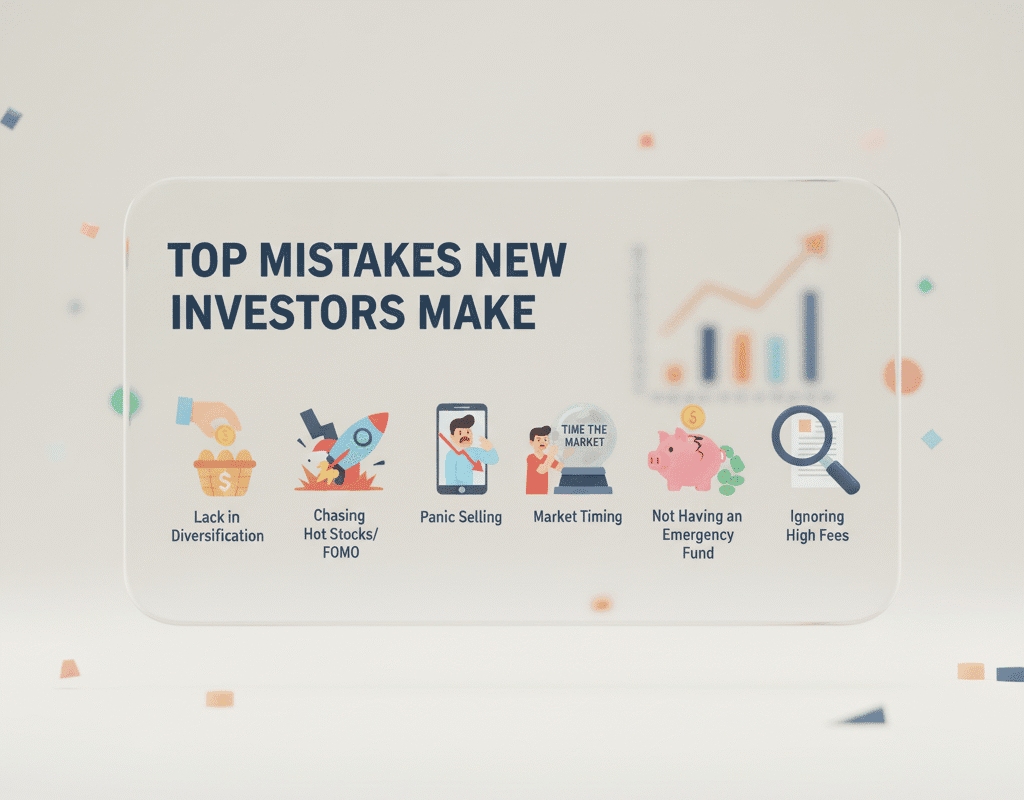
Top Mistakes New Investors Make in 2025:
Top Mistakes New Investors Make in 2025:
Although the world of investing is fascinating, it can also be intimidating for newcomers. More people than ever before are entering the markets thanks to the growth of cryptocurrency platforms, mobile trading apps, and online resources for unending financial advice. Regretfully, a lot of novice investors make costly errors that deter them from seeking long-term financial success.
HSBC Cashback Credit Card 2025 – Benefits, Rewards & How to Apply?

Entering the market without a strategy
Investing without a clear financial strategy is one of the biggest mistakes novices make. Without considering objectives, deadlines, or risk tolerance, many people download a trading app, make a deposit, and begin purchasing stocks.
- Why it’s a mistake: Investors who lack a plan frequently follow trends, make rash purchases, or freak out when markets decline.
- How to stay away from it: Make a strategy that consists of:
- Your financial goals (retirement, home, passive income, etc.)
- Time horizon (short-term vs. long-term investing)
- Risk tolerance (how much volatility you can handle)
Seeking Immediate Wealth
Success stories of people who “made millions overnight” in meme stocks or cryptocurrency abound on social media. It’s common for new investors to make the mistake of believing they can duplicate this.
- Why it’s incorrect: Short-term, high-risk bets can result in significant losses. Seeking immediate cash promotes gambling rather than investing.
- How to stay away from it: Prioritize steady, long-term development with diverse assets such as solid equities, index funds, and exchange-traded funds (ETFs).
Putting All Their Money Into One Stock or Asset
Many beginners invest everything in a single company or cryptocurrency because they believe in its potential.
- Why it’s a mistake: If that one asset drops, your entire portfolio suffers.
- How to stay away from it: Diversify. Spread investments across different industries, asset classes, and even countries.
Following the Crowd and Online Hype
Reddit forums, TikTok influencers, and YouTube “gurus” often promote “hot picks” that supposedly guarantee returns.
- Why it’s a mistake: These tips are often speculation, not sound financial advice. Many beginners buy at the peak of hype and lose money.
- How to avoid it: Do your own research (DYOR). Rely on credible sources, company financials, and long-term fundamentals.
Fear and Greed in Emotional Investing
Human emotion drives the stock market, and novice investors frequently allow greed and fear to control their choices.
- Greed: Investing in a stock because of its explosive growth.
- Fear: During market meltdowns, selling at the bottom.
- How to stay away from it: Remind yourself that volatility is typical, automate donations, and stick to your strategy.
Disregarding taxes and fees
Capital gains taxes, fund management fees, and brokerage costs are frequently disregarded by novice investors.
- Why it’s a mistake: Over time, hidden expenses reduce returns.
- How to stay away from it:
- Select inexpensive ETFs or index funds.
- Recognize the differences between short-term and long-term capital gains taxes.
- If you qualify, use tax-advantaged accounts such as 401(k)s or IRAs.
Excessive trading and daily portfolio checks
Because they believe they must always “do something” to get money, beginners frequently trade excessively.
- Why it’s incorrect: Regular trading accumulates tension, taxes, and fees.
- How to stay away from it: Think about investing as if you were watching paint dry. Portfolios should be checked quarterly or monthly rather than hourly.
Ignoring Debt and Emergency Funds
Before creating an emergency fund or paying off high-interest debt, many people begin investing.
- Why it’s a mistake: You will have to liquidate investments at a loss if an emergency occurs. Investments may not rise as quickly as high-interest debt.
- How to stay away from it: Before making significant investments, pay off bad debt and save three to six months’ worth of spending.
Insufficient Education
For financial education, some investors only use social media or apps.
- Why it’s incorrect: Errors are unavoidable if one has a basic understanding of risk, asset allocation, and compound interest.
- How to stay away from it: Take online classes, read books about investing, and keep up with reliable financial news sources.
Falling for “Too Good to Be True” Offers and Scams
Scams including pump-and-dump organizations, Ponzi schemes, and bogus cryptocurrency exchanges have expanded along with the popularity of internet investment.
- Why it’s a mistake: Beginners looking to make quick money are the target of scammers.
- How to stay away from it: If an offer seems too good to be true, always ask questions and stay on regulated platforms.
Timing the Market Instead of Time in the Market
Many beginners try to predict market highs and lows to buy and sell at the “perfect” time.
- Why it’s a mistake: Even professional investors can’t consistently time the market.
- How to stay away from it: Focus on long-term investing and dollar-cost averaging—investing small amounts regularly regardless of market conditions.
Ignoring Retirement Accounts
Many young investors focus only on short-term gains and ignore tax-advantaged retirement accounts.
- Why it’s a mistake: Missing out on decades of compound growth and tax savings.
- How to avoid it: Contribute early to 401(k)s, IRAs, or Roth IRAs.
Failing to Evaluate and Modify the Portfolio
Novices frequently “set and forget” without ever going over.
- Why it’s incorrect: Your goals and the market change over time.
- How to stay away from it: Rebalance your portfolio yearly to align with your risk tolerance and goals.
Comparing Themselves to Others
Social media highlights big wins but hides losses, making beginners feel like failures.
- Why it’s a mistake: Comparing leads to reckless decisions.
- How to avoid it: Focus on your personal financial goals, not what others post online.
Quitting Too Early
Many give up after their first loss, thinking investing “doesn’t work.”
- Why it’s a mistake: Every investor experiences losses—what matters is the long-term trend.
- How to avoid it: Stay consistent. Learn from mistakes, adjust strategy, and keep investing.
Professional Advice for Novice Investors in 2025
- Start small and work your way up.
- Use recurring deposits to automate investing.
- Adhere to tried-and-true methods such as investing in index funds.
- Prioritize education over pursuing financial gain.
In conclusion
One of the greatest methods to increase wealth is through investing, but only if done carefully. With the correct attitude and information, novice investors can steer clear of the most common blunders, such as disregarding diversification and chasing hype. Beginners can guarantee their financial future and turn their early mistakes into important lessons by approaching investing with patience, discipline, and a long-term strategy.
How to Do a No-Spend Month Challenge: Save Money, Break Bad Habits, and Reset Your Budget
How to Do a No-Spend Month Challenge: Save Money, Break Bad Habits, and Reset Your Budget