 A K
A K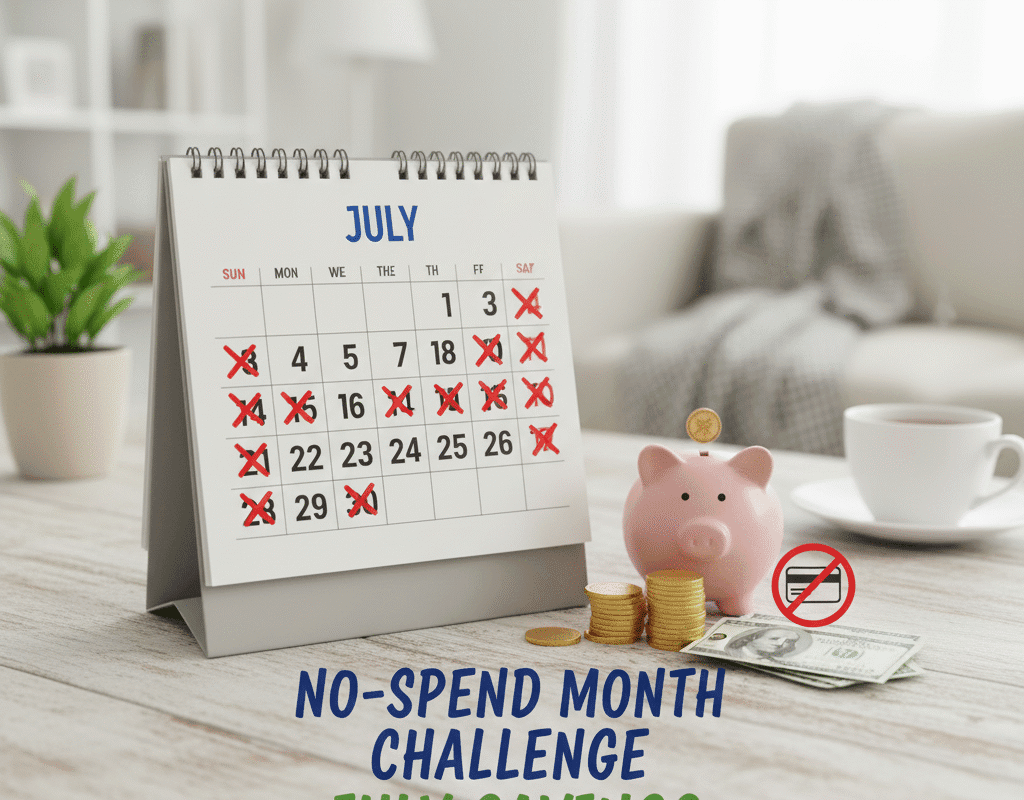
How to Do a No-Spend Month Challenge?
How to Do a No-Spend Month Challenge?
As Americans search for innovative methods to cut costs, settle debt, and take charge of their finances, the no-spend month challenge is becoming more and more well-liked across. In a world of rising living costs, subscription creep, and constant spending temptations, many Americans are turning to this powerful financial reset tool.
At its core, a no-spend challenge is simple: for one month, you cut out all non-essential spending. This doesn’t mean you stop paying bills, buying groceries, or filling your gas tank. It means you eliminate unnecessary purchases like takeout, online shopping splurges, or that extra coffee run.
HSBC Cashback Credit Card 2025 – Benefits, Rewards & How to Apply?

A No-Spend Month Challenge: What Is It?
A no-spend month challenge is a financial experiment in which you promise to spend no money for 30 days on anything other than basics. Typical essentials are:
- Mortgage or rent payments
- Bills and utilities
- Groceries (basic food, not luxury splurges)
- Gas or transportation costs
- Insurance and healthcare expenses
Everything else — dining out, clothing, home décor, beauty products, impulse Amazon buys, entertainment subscriptions — is off-limits.
Think of it as a financial detox. Just like a health cleanse helps your body reset, a no-spend challenge helps your wallet reset.
Why Try a No-Spend Challenge?
The benefits of doing a no-spend month are bigger than just saving money. Here are the most common reasons people take on the challenge:
1.Instant Savings Boost
Cutting unnecessary spending often frees up hundreds of dollars in a single month. Many participants save $300–$1,000 depending on their usual habits.
2.Break Bad Habits
If you find yourself online shopping out of boredom or grabbing takeout because of convenience, this challenge helps break those patterns.
3.Increase Financial Awareness
You become more conscious of where your money goes and which expenses are truly essential.
4.Debt Payoff Progress
Extra savings can be applied directly toward credit card debt, student loans, or other financial goals.
How to Complete a No-Spend Month Challenge: A Comprehensive Guide
Let’s go over the specifics of how to begin and complete your no-spend challenge.
Define Your Rules
Not all no-spend challenges look the same. Customize your rules to fit your lifestyle. Decide in advance:
- What counts as “essential”?
- Will you allow exceptions for birthdays or emergencies?
- Are groceries limited to basics only?
- Write down your rules so you have a clear structure.
Choose Your Start Date
Most people begin at the start of the month, but you can start anytime. Pick a month where you don’t have major life events (like weddings or vacations) that require extra spending.
Prepare in Advance
Before your challenge begins:
- Stock up on pantry staples (rice, pasta, beans, frozen veggies).
- Meal plan to avoid food-related splurges.
- Cancel or pause unnecessary subscriptions (like streaming services or subscription boxes).
- Tell friends and family about your challenge so they support you.
Track Every Dollar
Use a budgeting app, spreadsheet, or journal to log every expense. Tracking keeps you accountable and shows your progress.
Find Free Alternatives
Boredom often triggers spending. Instead of going to the mall, try free or low-cost alternatives:
- Visit local parks or hiking trails
- Host a potluck instead of dining out
- Use your library for free books, movies, and audiobooks
- Explore free community events
Appreciate Little Victories
Give yourself a free reward every week you finish without breaking your rules, such as a digital detox or a night in for self-care.
Make a plan for your savings.
Make a plan for how you’ll spend the money you save. Among the options are:
- Putting money aside for emergencies
- Resolving debt with high interest rates
- Putting money aside for a major purchase
- Putting money into the future
The No-Spend Month Challenge’s guidelines
Every successful challenge is built on discipline. Here are some popular no-spend rules you can adopt:
- Pay all essential bills as normal
- Spend only on groceries and gas
- Cook meals at home
- No online shopping
- No dining out (unless you budgeted for one pre-planned occasion)
- Avoid impulse buys
- Use what you already own before buying replacements
How Much Can Be Saved During a Month Without Spending?
Although the precise savings vary, participants’ averages are as follows:
- Dining out cut: $200–$400
- Subscription pauses: $30–$100
- Impulse shopping avoided: $100–$500
- Coffee shop stops eliminated: $40–$100
- Total potential savings: $400–$1,000+ in one month
Real-Life Success Stories
Many people who complete a no-spend challenge report life-changing results:
- Emily from Ohio saved $850 in one month and used it to pay off a credit card balance.
- Marcus from Texas realized he was spending $300 monthly on takeout and now meal-preps weekly.
- Alicia from California embraced a minimalist lifestyle after realizing how many unnecessary items she bought online.
In summary, is a month without spending worthwhile?
The no-spend month challenge is a transformative reset that goes beyond simple budgeting. This challenge offers clarity, discipline, and long-lasting benefits, regardless of your financial goals—paying off debt, saving for a major event, or just taking back control of your finances.
You may break spending patterns, save hundreds of dollars, and achieve long-term financial freedom by making a 30-day commitment.
Are you prepared to give it a try? Your wallet — and your future self — will thank you.
Understanding Umbrella Insurance Policies: Why Americans Need Extra Liability Coverage in 2025
Understanding Umbrella Insurance Policies: Why Americans Need Extra Liability Coverage in 2025