 A K
A K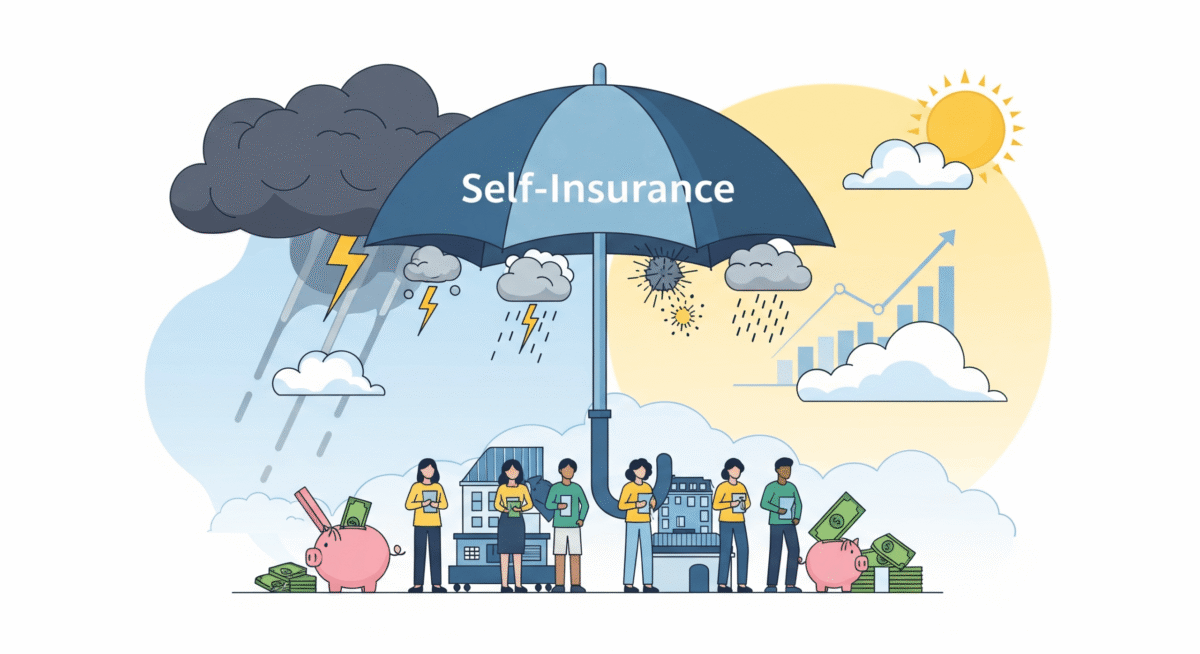
How to Self-Insure: When It Makes Sense?
How to Self-Insure: When It Makes Sense?
One of the most well-known financial instruments in America is insurance. Most homes and businesses depend on insurance firms to transfer financial risk in exchange for monthly premiums, whether that risk is health, auto, home, or life insurance. However, self-insurance is an alternative that is less discussed but will become more significant in 2025.
Setting aside your own funds to cover possible losses as opposed to paying an insurance provider is known as self-insurance. Although it’s not for everyone, in the correct situations, it can offer flexibility, more control, and cost savings that standard insurance cannot.
What self-insurance is, how it functions, when it makes sense, and how individuals, families, and organizations can successfully use it will all be covered in this article.
HSBC Cashback Credit Card 2025 – Benefits, Rewards & How to Apply?

Self-insurance: What is it?
Using your own funds to cover possible risks rather than shifting those risks to an insurance provider is known as self-insurance. You put money aside in a reserve or account rather than paying a fee each month.
For instance:
- You may invest that $200 in a savings account rather than paying $200 a month for a dental insurance coverage. You use your funds to pay for any necessary dental work.
- Instead of purchasing group insurance, a firm may decide to self-insure its employees’ health benefits, which means it pays claims directly.
It goes beyond just “going uninsured.” It takes preparation, diligent saving, and a thorough awareness of dangers to be really self-insured.
How Self-Insurance Differs from Traditional Insurance
| Aspect | Traditional Insurance | Self-Insurance |
| Premiums | Paid monthly/annually to insurer | Saved into a personal/business reserve |
| Risk | Transferred to insurer | Retained by individual/business |
| Claims | Processed by insurance company | Paid directly from your fund |
| Control | Limited, subject to insurer policies | Full control over funds and claims |
| Cost Over Time | Can be high, especially with rising premiums | Can be lower if losses are rare |
When Is It Appropriate to Get Your Own Insurance?
Not everyone is a good fit for self-insurance. It functions well under specific conditions:
1.Robust Financial Cushion
You can cover unforeseen costs if you have a sizable savings account or steady cash flow.
2.Profile of Low Risk
You might not need to make claims very often if you’re healthy, drive carefully, or reside in a region that is less likely to experience natural disasters.
3.Low Benefits vs. High Premiums
Self-insurance might be less expensive if the cost of insurance exceeds the typical claims you anticipate.
4.Control of the Business
Because it allows them more flexibility and may result in savings, many medium-sized enterprises self-insure workers’ compensation or employee health insurance.
Pros and Cons of Self-Insurance
Advantages
- Cost Savings: No middleman or administrative costs.
- Control: Decide how funds are used.
- Flexibility: No restrictions on providers or coverage.
- Wealth Building: If claims are rare, savings grow instead of going to insurers.
Disadvantages
- High Risk Exposure: A single catastrophic event could wipe out savings.
- Discipline Required: You must consistently save.
- Limited Pooling of Risk: Unlike insurers, you don’t have a large group to spread risk.
- Legal Requirements: Some coverages, like auto liability, are required by law
Self-Insurance Types
1. Health Insurance for Oneself
- Companies frequently accomplish this by immediately paying employee claims.
- While maintaining catastrophic coverage for emergencies, people can self-insure smaller medical expenses (such as routine exams, dental work, and vision care).
2. Auto Insurance for Oneself
- Certain states let well-off people or companies to post a bond in lieu of purchasing motor insurance.
- Minor repairs are frequently self-insured by regular drivers (using savings instead of collision policy).
3. Home Expenses Self-Insured
- You can budget for repairs and replacements rather than extended warranties or specific house insurance policies.
4. Self-insurance for businesses
- Many businesses self-insure health benefits, liability, or workers’ compensation.
- State law compliance and a thorough risk analysis are necessary for this..
How to Create a Strategy for Self-Insurance
1. Evaluate Your Hazards
- What losses might you experience? Lawsuits, medical expenses, mishaps, and property damage?
2. Determine Possible Expenses
- Calculate the worst-case scenarios and average yearly expenses.
3. Establish a Specialized Fund for Self-Insurance
- Create a distinct investment or savings account specifically for this use.
4. Consistently Save
- Make a monthly contribution, just like you would with premiums.
5. Maintain Some Conventional Coverage
- A hybrid strategy is used by many self-insurers:
- Self-insure small, recurring expenses
- Purchase conventional insurance to protect against catastrophic risks.
6. Review Every Year
- Every year, reevaluate fund performance, expenses, and risks.
Regulatory and Legal Aspects
- Auto Insurance Laws: Most states require minimum liability coverage. Self-insurance may be allowed only if you can post a bond or meet state requirements.
- Health Insurance: The Affordable Care Act (ACA) requires businesses with 50+ employees to offer coverage, which may be self-funded.
- Workers’ Compensation: States regulate self-insured employers, often requiring proof of financial strength.
Who Is Not Good for Self-Insurement?
- Paycheck-to-paycheck households
- Individuals with chronic illnesses or severe medical risks
- Poor-record drivers in states where insurance is required
- Companies without consistent reserves or cash flow
Concluding remarks
Self-insurance is about proactively managing risk, not about avoiding it. Self-insuring can be a wise choice for people with stable finances, low risk profiles, or expensive insurance premiums. However, it necessitates preparation, self-control, and occasionally a combination of conventional coverage for catastrophic risks.
Examine your risks, legal responsibilities, and capacity to pay for unforeseen expenses thoroughly before deciding on this course of action. When done correctly, self-insurance can lead to greater financial freedom, savings, and control.
How to Save for a Gap Year Abroad? Smart Money Tips for Students and Travelers
How to Save for a Gap Year Abroad? Smart Money Tips for Students and Travelers