 A K
A K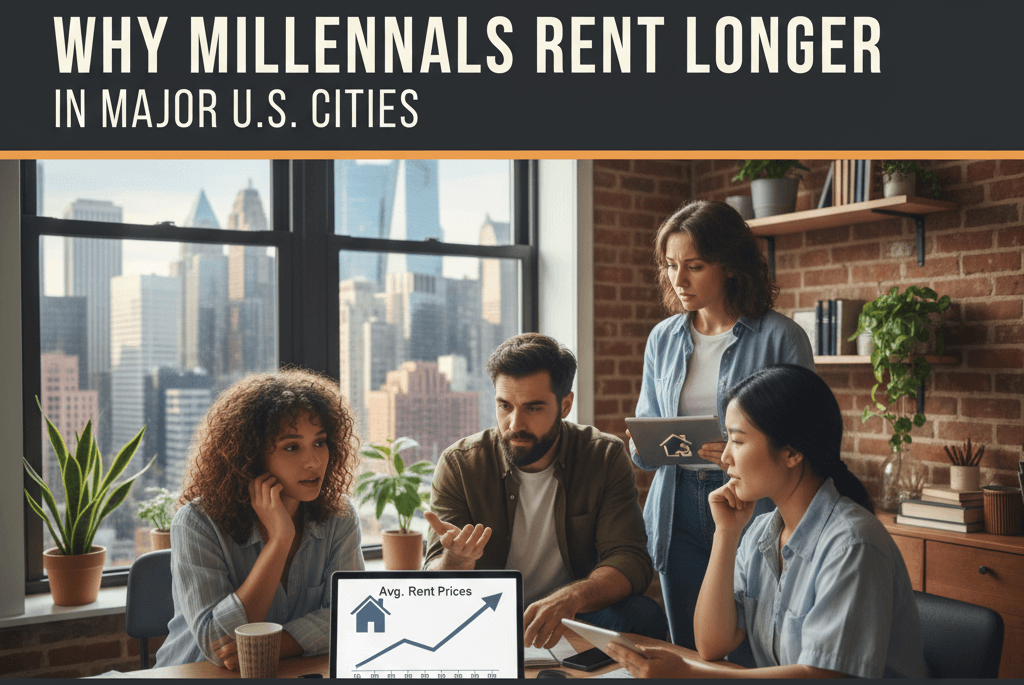
Why Millennials Are Renting Longer in Major U.S. Cities?
Why Millennials Are Renting Longer in Major U.S. Cities?
Across major U.S. cities—from New York and Los Angeles to Atlanta, Dallas, Chicago, and Seattle—millennials are renting for longer periods than any previous generation. While Baby Boomers married earlier, bought homes in their twenties, and built equity fast, today’s millennials often remain renters well into their thirties and even early forties.
This trend is not a simple lifestyle preference. It is the result of a complex blend of economic pressure, changing career patterns, mounting debt, and shifting cultural priorities. The millennial generation, which includes Americans born between 1981 and 1996, now represents the largest share of the American workforce. Yet despite their economic importance, many continue to face barriers to homeownership that were nearly nonexistent
HSBC Cashback Credit Card 2025 – Benefits, Rewards & How to Apply?

The Cost of Student Loan Debt
The generation with the highest student loan debt in American history is the millennial generation. Student loan payments, which often range from $30,000 to over $100,000, severely limit their capacity to:
- Put money aside for a down payment.
- Qualify for a mortgage
- Build credit at the same rate earlier generations did
This debt burden delays major life milestones, including marriage, starting a family, and of course—buying a home.
For many millennials, homeownership feels like a luxury, not a milestone.
The Rise of Urban Living—and Its Costs
Millennials gravitate toward major cities more than older generations did at the same age. They seek:
- Better job opportunities
- Walkable neighborhoods
- Restaurant and nightlife access
- Public transportation
- Cultural institutions
- Diverse communities
But these urban benefits come with consequences: the cities millennials prefer are often the most expensive places to buy homes. In many metropolitan areas, single-family houses are rare, older, or priced well above national averages.
Delayed Life Milestones Contribute to Extended Renting
Earlier generations typically purchased homes after:
- Marriage
- Stable long-term jobs
- Having children
Millennials, however, are achieving these milestones much later—or skipping them altogether.
Marriage is delayed
Millennials marry later than any generation in modern American history. And since married couples tend to buy homes sooner than single individuals, this delay directly affects the housing market.
Children arrive later
With many waiting until their thirties or forties to start families, the pressure to move into larger suburban homes comes much later in life.
Job mobility is higher
Millennials switch jobs more frequently than previous generations. Buying a home ties someone to a specific location, which may conflict with modern career expectations.
The Gig Economy and Unstable Finances
Another overlooked factor influencing millennial renting trends is the rise of gig and contract-based work. Many millennials rely on:
- Freelancing
- Ride-share driving
- Delivery services
- Part-time contract jobs
- Creative or digital gig work
These income sources are often inconsistent, making it challenging to qualify for traditional mortgage loans. Lenders prefer stable, long-term income—which many millennial workers cannot document in the same way previous generations could.
Renting becomes the default option for workers whose income varies month to month.
Limited Inventory and Housing Shortages
There is a serious housing scarcity in several large American cities because of:
- Zoning limitations
- In urban cores, land is scarce.
- Slow building of new homes
- High demand from population growth
Conclusion: Why Millennials Are Renting Longer in Major U.S. Cities?
The reason millennials rent longer in major U.S. cities is not the result of a single factor.
Millennials are not simply opting out of homeownership—they are navigating a housing landscape fundamentally different from what previous generations encountered.
As city populations grow and housing affordability declines, extended renting may become the new norm not only for millennials but for future generations as well.
How Tax Incentives Are Fueling America’s Clean Energy Boom in 2025
How Tax Incentives Are Fueling America’s Clean Energy Boom in 2025