 A K
A K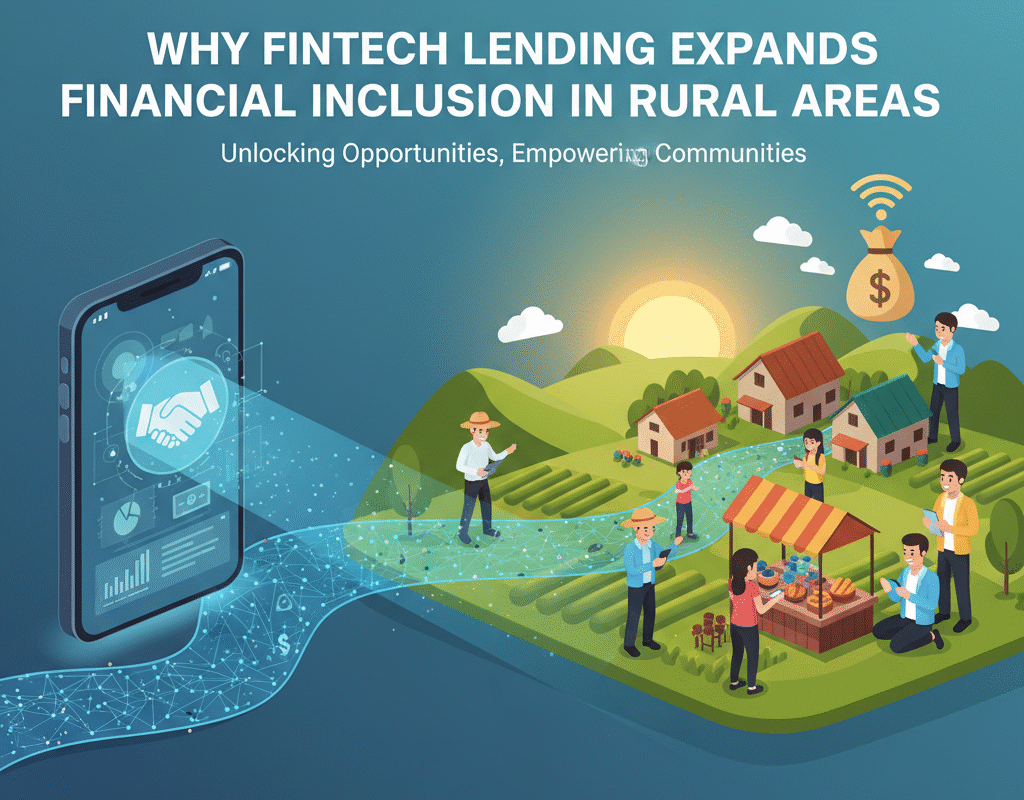
Why Fintech Lending is Driving Financial Inclusion?
Why Fintech Lending is Driving Financial Inclusion?
Financial inclusion has long been a critical issue for rural communities across the United States. While urban and suburban populations often enjoy easy access to banks, credit, and other financial services, residents in rural areas frequently face barriers that restrict their participation in the formal financial system.
Traditional banks have often avoided these regions due to high operational costs, limited profitability, and logistical challenges. This has resulted in millions of rural Americans being underbanked or unbanked, which in turn impacts local economic development and quality of life.
In recent years, fintech lending has emerged as a transformative force that addresses these challenges, providing innovative digital solutions to extend financial services into previously underserved rural areas.
👉 Buy Womens European And American-style Retro Digital-print Animal Shirt

The Rural Financial Gap in America
Before understanding the role of fintech lending, it’s essential to grasp the scope of financial exclusion in rural America. According to recent surveys, millions of adults in rural areas lack access to formal financial institutions. Key barriers include:
- Limited Bank Presence: Many rural counties have few or no bank branches, forcing residents to travel long distances for basic banking services.
- High Costs: Operating a traditional branch in a low-density area is expensive for banks, making rural markets less attractive.
- Credit Accessibility: Rural residents often have limited credit history, making it harder to qualify for loans from conventional banks.
- Digital Literacy: While internet penetration is increasing, some areas still face challenges in digital adoption, affecting access to online banking services.
Fintech Lending: A Modern Solution
Fintech, short for financial technology, refers to the integration of technology into financial services to improve accessibility, efficiency, and user experience. Fintech lending encompasses a range of digital platforms that provide loans, credit lines, and microfinancing using innovative technology such as AI-driven credit scoring, mobile apps, and online platforms.
Unlike traditional banks, fintech lenders can operate without physical branches, which significantly reduces overhead costs. This allows them to serve rural populations efficiently and offer flexible financial products tailored to the unique needs of these communities.
Case Studies of Fintech Success in Rural Areas
Digital Lending for Farmers
Agriculture is a backbone of many rural communities. Fintech lenders specializing in agritech loans provide farmers with access to credit for seeds, equipment, and operational costs.
Microloans for Rural Entrepreneurs
Startups and small businesses in rural towns often struggle to secure financing from traditional banks. Fintech platforms offering peer-to-peer lending or community-based digital loans provide an alternative that is both accessible and reliable, allowing entrepreneurs to grow and sustain their businesses.
Difficulties and Things to Think About
While fintech lending holds great promise, it is not without challenges:
- Internet Connectivity: Rural areas may still have inconsistent internet access, limiting the usability of online financial platforms.
- Financial Literacy: Some residents may be unfamiliar with digital financial products, creating a learning curve.
- Regulatory Compliance: Fintech companies must navigate federal and state regulations, which can vary widely and affect service delivery.
- Trust and Security: Digital platforms must establish trust among users wary of online transactions and ensure robust cybersecurity measures.
The Future of Fintech Lending in Rural America
The future of fintech lending in rural areas is bright. As technology evolves, several trends are likely to strengthen financial inclusion:
- AI-Driven Personalization: Lenders will increasingly use machine learning to tailor loan products and financial advice to individual users.
- Blockchain and Smart Contracts: These technologies can enhance transparency, reduce fraud, and facilitate secure transactions for rural users.
- Hybrid Models: Some fintech firms are experimenting with hybrid models that combine digital lending with local agent networks, creating a bridge between technology and in-person support.
In conclusion: Why Fintech Lending is Driving Financial Inclusion?
Fintech lending is transforming the landscape of financial inclusion in rural America. By leveraging technology to provide accessible, affordable, and flexible financial services, fintech platforms are empowering individuals, supporting local businesses, and fostering sustainable economic development.
While challenges remain, the growth of digital lending represents a significant step toward bridging the financial gap and ensuring that all Americans, regardless of location, can participate in the formal financial system.
As rural communities embrace fintech solutions, the benefits extend beyond individual borrowers to the entire local economy, creating a cycle of opportunity, growth, and empowerment. Financial inclusion is no longer just a goal—it is becoming a reality through the transformative power of fintech lending.
How the Property Insurance Crisis Is Reshaping Coastal Economies in the United States
How the Property Insurance Crisis Is Reshaping Coastal Economies in the United States