 A K
A K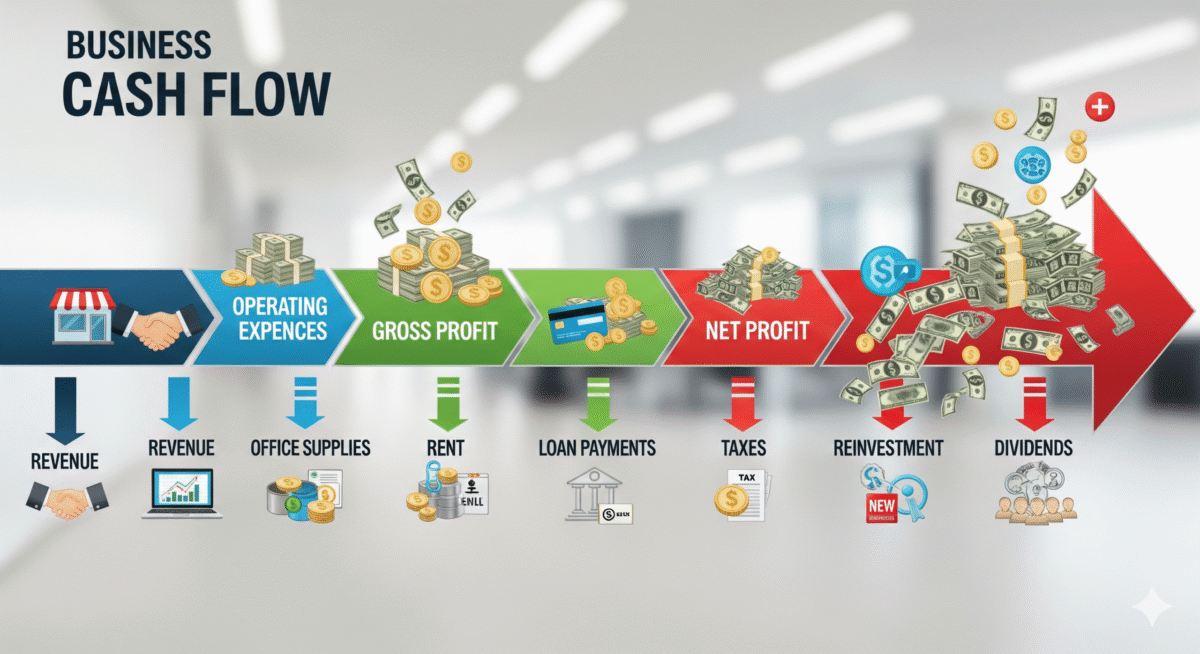
Understanding Business Cash Flow:
Understanding Business Cash Flow:
In today’s fast-paced business environment, understanding cash flow is not just important—it’s essential. For entrepreneurs, small business owners, and even large corporations, cash flow can be the difference between success and financial struggle. In this comprehensive guide, we will explore what business cash flow is, why it matters, and practical strategies to manage and improve it.
HSBC Cashback Credit Card 2025 – Benefits, Rewards & How to Apply?

What is Business Cash Flow?
Business cash flow refers to the movement of money in and out of a business during a specific period. It includes all cash received from operations, investments, and financing activities, as well as all cash paid for expenses, loan repayments, and other financial obligations.
Essentially, cash flow indicates the financial health of a company. A business might appear profitable on paper, but if it struggles to convert revenue into actual cash, it could face liquidity problems.
Cash Flow Types
Operating Cash Flow (OCF):
The cash produced by a company’s primary business operations, such as the sale of goods or services, is known as operating cash flow (OCF). Cash flows from investments and finance are not included. A positive OCF indicates that a company may continue to operate without requiring outside funding.
Investing Cash Flow:
This includes cash spent on or received from investments, such as purchasing equipment, acquiring assets, or selling investments. Negative investing cash flow may indicate growth investments, while positive cash flow might mean asset liquidation.
Financing Cash Flow:
Financing cash flow shows money raised from or paid to investors and creditors, including loans, dividends, and stock issuance. This type of cash flow reflects how a business funds its operations and growth.
Why Cash Flow Matters in Business
The lifeblood of any firm is cash flow. Without adequate cash flow, a company may struggle to pay bills, meet payroll, or invest in growth opportunities. Key reasons cash flow is critical include:
- Liquidity and Solvency: Cash flow ensures a business can meet short-term obligations, avoiding insolvency.
- Business Growth: Adequate cash allows companies to invest in expansion, new products, and marketing strategies.
- Investor Confidence: Positive cash flow demonstrates financial stability, attracting investors and lenders.
- Operational Efficiency: Monitoring cash flow can highlight inefficiencies and areas where costs can be reduced.
The Financial Roadmap: The Cash Flow Statement
One of the fundamental financial statements, together with the income and balance sheets, is the cash flow statement. It offers a thorough analysis of cash inflows and outflows over a certain time frame.
A Cash Flow Statement’s Components:
- Cash collected from sales, cash paid to suppliers, and cash spent for other operational expenses are all included in cash from operating activities.
- Cash from Investing Activities: Indicates money spent on or earned from investments, like purchasing machinery or liquidating real estate.
- Cash from Financing Activities: Indicates the cash movements resulting from dividend payments, share issuance, loan repayment, and borrowing.
Common Cash Flow Challenges for US Businesses
Even profitable businesses face cash flow challenges. Some of the most common issues include:
- Late Payments from Customers: Delayed accounts receivable can strain cash reserves.
- High Operating Costs: Uncontrolled expenses reduce available cash.
- Seasonal Business Fluctuations: Businesses with seasonal demand may struggle with off-season cash shortages.
- Overinvestment in Assets: Excessive spending on equipment or property can drain cash.
- Poor Cash Flow Forecasting: Without accurate projections, businesses may run out of cash unexpectedly.
Advice for Managing Cash Flow Effectively
Effective cash flow management is essential to the long-term viability of any firm. The following tactics will help you keep a solid monetary position:
Frequent Cash Flow Analysis:
Examine cash inflows and outflows on a weekly or monthly basis to spot patterns and possible problems.
Enhance Receivables Collection:
Reduce the number of unpaid invoices by enforcing stringent credit terms and providing incentives for early payments.
Control Expenses:
Monitor operating costs, renegotiate supplier contracts, and eliminate unnecessary expenditures.
Maintain a Cash Reserve:
Set aside funds for emergencies or unexpected expenses to avoid liquidity crises.
Invest Wisely:
Avoid overextending on capital investments without sufficient cash coverage.
Use Cash Flow Forecasting Tools:
Leverage technology to predict cash flow gaps and plan financing strategies in advance.
Cash Flow Forecasting: Planning for the Future
Cash flow forecasting involves predicting future cash inflows and outflows over a period of time. Accurate forecasting allows businesses to anticipate shortfalls, plan for investments, and make informed financial decisions.
Benefits of Cash Flow Forecasting:
- Prevents liquidity crises
- Supports strategic planning and budgeting
- Helps secure loans and investor funding
- Identifies seasonal trends and demand fluctuations
Indications of a Sound Cash Flow
Healthy cash flow is a strong indicator of a company’s financial stability. Key signs include:
- Positive net cash flow from operations
- Ability to pay debts and reinvest in growth
- Consistent cash reserves
- Timely payments to suppliers and employees
Conclusion
Understanding business cash flow is not just for accountants—it is vital for business owners, managers, and investors. From tracking inflows and outflows to forecasting future cash needs, effective cash flow management can ensure long-term success and financial stability.
For US businesses, paying attention to cash flow can mean the difference between seizing growth opportunities and struggling with liquidity issues. By implementing best practices in cash flow analysis, management, and forecasting, companies can secure their financial health and thrive in a competitive marketplace.
How to Transition from Saving to Spending in Retirement: A Complete Guide for Retirees
How to Transition from Saving to Spending in Retirement: A Complete Guide for Retirees