 A K
A K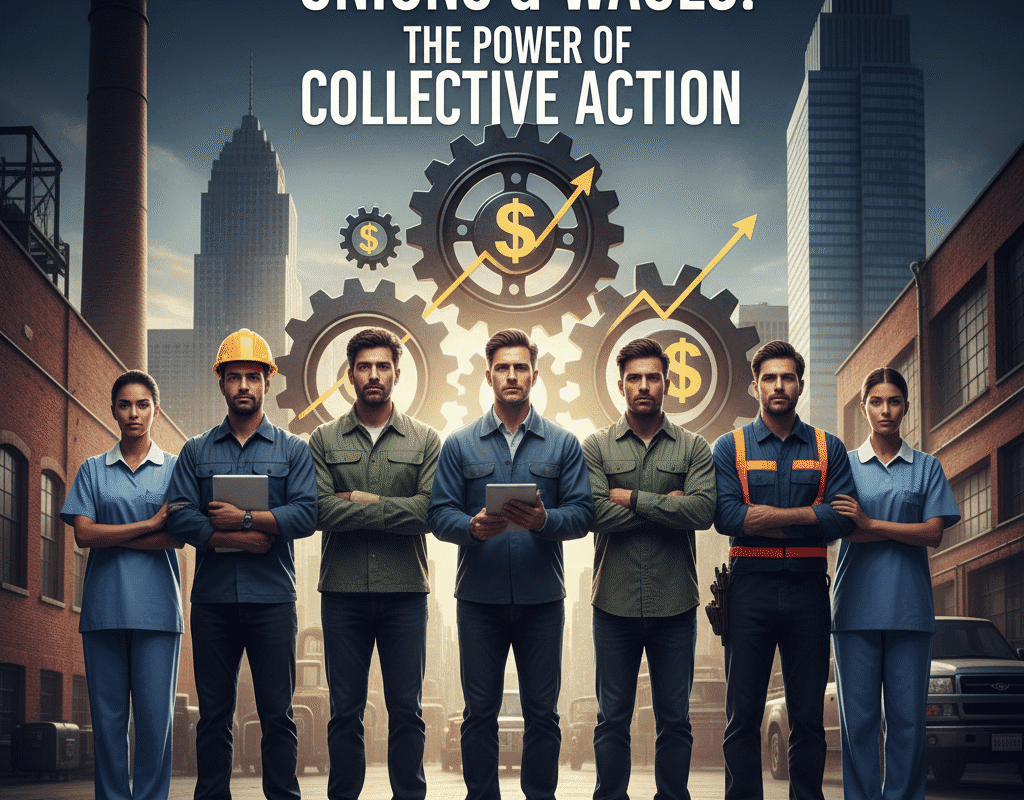
The Role of Labor Unions in Today’s U.S. Wage Dynamics
The Role of Labor Unions in Today’s U.S. Wage Dynamics
The United States’ social and economic landscape has long been affected by labor unions, which have an impact on everything from industry-specific wage packages to workplace safety regulations. However, the discussion about the role of unions in pay dynamics has become more heated during the last 10 years, especially around 2020.
Inflation spikes, changing workforce expectations, record corporate profits, and a rise in worker engagement are just a few of the profound changes that have occurred in the U.S. labor market. In light of this, unions have made a strong comeback in public discourse.
In addition to economists, governments, businesses, and employees navigating a quickly changing labor market are increasingly examining their impact on salaries, bargaining power, inequality, and economic mobility.
HSBC Cashback Credit Card 2025 – Benefits, Rewards & How to Apply?

A Historical Lens: How Unions Traditionally Shaped Wages
For most of the 20th century, labor unions were a central force in defining the American middle class. Through collective bargaining, unions set wage floors that often extended into entire industries—even benefiting non-union workers through the “spillover effect.”
During the post-World War II era, union membership surged, reaching more than one-third of American workers. Union strength contributed to decades of relatively equal wage distribution. Blue-collar workers earned wages that supported homeownership, higher education for their children, and retirement security.
But beginning in the late 1970s and accelerating in the 1980s and 1990s, globalization, deregulation, automation, and anti-union legal strategies led to a steep decline in membership.
Challenges Unions Face in Influencing Wages Today
Despite renewed interest in unions, they face substantial challenges:
- Employer Opposition
Companies often employ legal and strategic tactics to discourage unionization. These include mandatory meetings, legal appeals, and delay tactics.
- Fragmented Workforce Structures
Gig work, contract jobs, and dispersed workforces make traditional union models harder to apply.
- Complex Labor Laws
Outdated legal frameworks can slow down elections, contract negotiations, and enforcement of labor protections.
- Public Awareness Gaps
Many workers remain unfamiliar with union rights or assume unionization is difficult or risky.
- Regional Differences
Union influence varies dramatically by state, affected by political climates and “right-to-work” laws.
The Future of Wage Dynamics: What to Expect
Based on current trends, the U.S. wage landscape in the coming years is likely to be shaped by:
- More aggressive wage negotiations
Contracts with robust wage increases will set new benchmarks across industries.
- A rise in industry-wide wage standards
Sectoral bargaining may emerge as a more widespread tool for establishing equitable wage floors.
- Increased worker activism
High-profile campaigns will continue to accelerate organizing momentum.
- Greater employer focus on fairness and transparency
To prevent unionization, companies may proactively raise wages, improve scheduling, and introduce benefit enhancements.
- Reshaped economic inequality
If union strength grows, inequality may stabilize or decline for the first time in decades.
Conclusion: The Role of Labor Unions in Today’s U.S. Wage Dynamics
In American history, unions are at a turning point. What was once considered a declining institution is experiencing a cultural and economic revival. As workers confront rising costs of living, corporate profits surge, and labor markets shift, unions are increasingly seen as a mechanism for securing fair and sustainable wage growth.
Their role in shaping wage dynamics is expanding—not just among traditional blue-collar sectors but across the entire modern workforce. From technology to healthcare to service industries, the push for collective bargaining reflects a renewed desire for economic fairness, job stability, and worker voice.
The Rise of Private Equity in U.S. Real Estate: Trends, Risks, and the Future of Housing Investment
The Rise of Private Equity in U.S. Real Estate: Trends, Risks, and the Future of Housing Investment