 A K
A K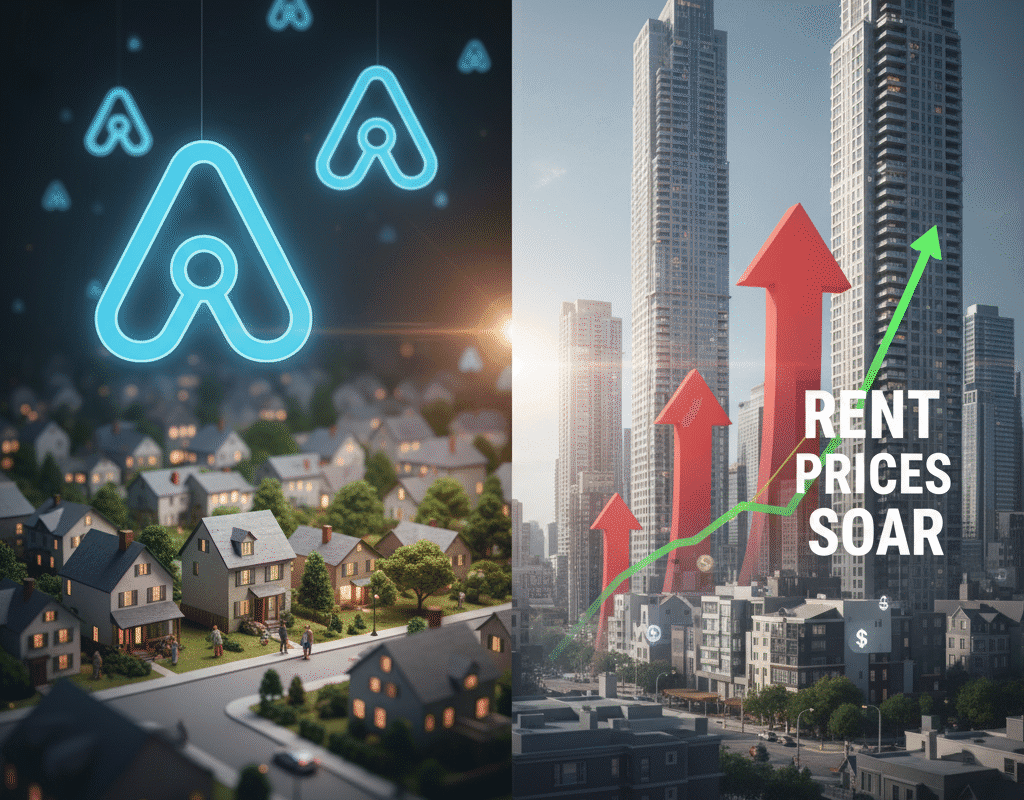
The Impact of Airbnb on Local Housing Costs
The Impact of Airbnb on Local Housing Costs
Airbnb has completely changed how people travel in recent years by providing a substitute for conventional hotels and enabling homeowners to make money off of idle space. However, citizens, urban planners, and legislators are worried about how short-term rental platforms could affect local housing markets due to their quick expansion.
Although Airbnb gives property owners a way to make money, some claim it has led to gentrification, increased housing costs, and a decline in the supply of long-term rentals. This article explores the complex implications of Airbnb on local housing costs in the US, emphasizing community effects, economic trends, and possible remedies.
HSBC Cashback Credit Card 2025 – Benefits, Rewards & How to Apply?

The Short-Term Rental Economy and Airbnb’s Ascent
Since its founding in 2008, Airbnb has grown to become a worldwide sensation. Its business model allows homeowners to rent out spare rooms or entire properties for short stays, appealing to tourists and business travelers alike. The platform has expanded into thousands of cities worldwide, offering unique lodging experiences and fostering what many describe as a “sharing economy.”
The economic appeal is undeniable. Homeowners can earn substantial supplemental income, often exceeding what they might make through long-term leases. In cities with high tourist demand, Airbnb rentals have become highly lucrative. However, this profitability comes with consequences for local housing markets, particularly in urban areas where housing supply is already constrained.
Airbnb and Growing Housing Prices
The relationship between Airbnb activity and rising home costs has been shown in numerous studies. By converting long-term rental units into short-term vacation rentals, property owners reduce the supply of homes available for permanent residents. Economic theory dictates that when supply decreases while demand remains constant or rises, prices increase.
For example, research from the National Bureau of Economic Research (NBER) found that a 1% increase in Airbnb listings in U.S. cities led to a 0.018% increase in rents. While this may seem small in isolation, the cumulative effect in high-demand cities like New York, Los Angeles, and San Francisco is significant. Renters face higher monthly payments, and homebuyers encounter elevated property prices, making housing less affordable for middle- and lower-income families.
Neighborhood Gentrification and Displacement
Airbnb’s impact extends beyond the broader housing market into local neighborhoods. Areas popular with tourists often experience gentrification as property owners renovate and convert units into short-term rentals, attracting wealthier visitors. Consequently, long-term residents may be displaced due to rising rents and living costs.
Neighborhoods that were once affordable and diverse are increasingly dominated by transient populations, eroding community cohesion. In cities like Miami, Austin, and New Orleans, residents have expressed frustration at losing long-standing neighbors and cultural landmarks as housing is repurposed for tourists.
Short-Term Rentals vs. Long-Term Rental Market
A critical factor in understanding Airbnb’s impact is the tension between short-term and long-term rental markets. While Airbnb provides flexibility for property owners, it often incentivizes landlords to prioritize short-term revenue over housing stability. This dynamic reduces the availability of affordable, long-term rental units, further straining cities already facing housing shortages.
Moreover, the influx of short-term rentals can destabilize rental markets by creating volatility in pricing. Traditional renters may encounter sudden rent hikes as landlords switch from long-term tenants to short-term rentals, contributing to housing insecurity for low-income households.
Social and Economic Consequences
The economic benefits of Airbnb cannot be ignored. Short-term rentals generate significant tourism revenue, support local businesses, and provide supplemental income for homeowners. During peak travel seasons, Airbnb listings can increase a city’s economic activity substantially.
However, these benefits come at a social cost. Displacement, neighborhood homogenization, and reduced housing affordability disproportionately affect low-income and minority communities. Housing insecurity can contribute to broader social problems, including overcrowding, homelessness, and community fragmentation.
In conclusion: The Impact of Airbnb on Local Housing Costs
Airbnb has fundamentally changed the U.S. housing landscape, offering economic opportunities while simultaneously contributing to rising housing costs, gentrification, and reduced long-term rental availability. Cities face the challenge of balancing the benefits of a thriving short-term rental market with the need to maintain affordable, stable housing for residents.
As policymakers, researchers, and communities continue to explore solutions, it is clear that short-term rental platforms like Airbnb will remain a defining factor in urban housing markets for years to come. Effective regulation, community engagement, and data-driven policies are essential to ensure that the economic benefits of Airbnb do not come at the expense of housing affordability and neighborhood stability.
Why Remote Work is Reshaping Regional Labor Markets in the U.S.
Why Remote Work is Reshaping Regional Labor Markets in the U.S.