 A K
A K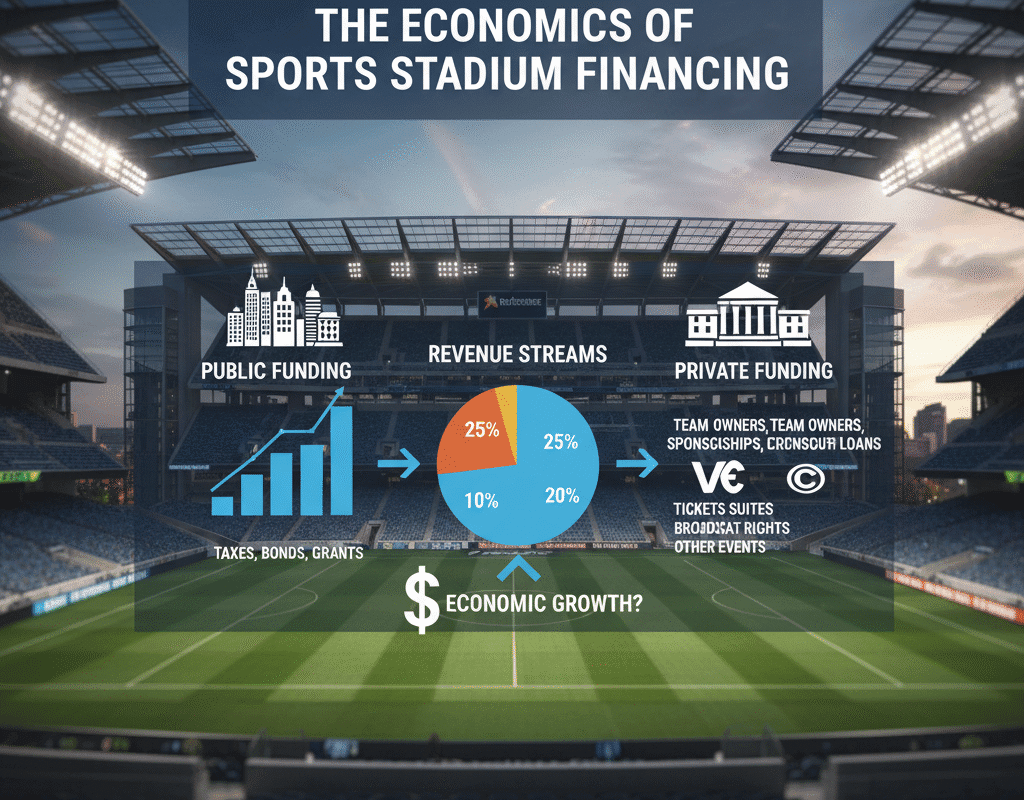
The Economics of Sports Stadium Financing
The Economics of Sports Stadium Financing
Sports stadiums are more than just venues for athletic events—they are high-profile symbols of city pride, urban development, and economic ambition. Across the United States, cities invest billions in constructing and maintaining stadiums, with financing models ranging from fully public funding to complex public-private partnerships. While these investments promise economic growth, job creation, and increased tourism, critics often argue that the financial burden on taxpayers outweighs the benefits.
Understanding the economics of sports stadium financing requires examining the intricate balance between public contributions, private investments, team revenues, and the broader economic impact on communities. This article delves deep into how stadiums are financed, the role of government subsidies, and the economic debates that continue to shape this industry.
HSBC Cashback Credit Card 2025 – Benefits, Rewards & How to Apply?

Public Finance and Assistance
Historically, a significant portion of stadium financing in the U.S. comes from public funds. Local and state governments often provide tax incentives, direct subsidies, or issue bonds to finance stadium construction.
- Taxpayer Contributions
Municipalities frequently rely on taxpayer money to fund stadiums, either partially or fully. For example, sales taxes, hotel taxes, or special stadium taxes may be earmarked specifically for stadium projects. Critics argue that these funds could be allocated to education, healthcare, or infrastructure instead of professional sports venues.
- Bonds and Debt Financing
Stadium projects often involve issuing municipal bonds, which allow cities to borrow money upfront and repay it over decades. While bonds can spread costs over time, they also place long-term obligations on taxpayers, especially if stadium revenue falls short of projections.
- Naming Rights and Sponsorship Deals
To offset costs, stadiums often sell naming rights to corporations. These deals can generate hundreds of millions of dollars over the life of a contract, reducing the financial burden on public coffers.
Contributions from the team and private investment
Private investment is crucial to stadium finance, even though public funding receives more attention. Professional sports teams make contributions through loans, guarantees, or equity investments.
- Contributions to Team Ownership
A percentage of development expenditures, which are frequently linked to anticipated growth in ticket sales and merchandising, may be covered by team owners. Owners receive revenue streams from luxury seating, parking, and concessions in exchange.
- Individual Developers
Developers may collaborate with teams to build mixed-use buildings that combine the stadium with retail, entertainment, and residential areas. These initiatives seek to produce long-term economic gains and optimize profitability.
Case Studies in Stadium Financing
- SoFi Stadium, Los Angeles
Opened in 2020, SoFi Stadium cost $5 billion, making it one of the most expensive stadiums ever built. Financing included a mix of private investment from the Rams and Chargers ownership and public infrastructure support. The project demonstrates how modern stadiums rely on mixed financing and integrated commercial developments to generate revenue.
- Hard Rock Stadium, Miami
Miami’s Hard Rock Stadium has undergone multiple renovations, funded through a combination of team contributions and public bonds. The city’s use of hotel and rental car taxes highlights common methods municipalities use to finance stadium upgrades.
Controversies and Criticisms
Despite the potential benefits, stadium financing remains controversial.
- Overestimated Economic Benefits
Studies often overstate the financial impact of stadiums. While stadiums generate revenue, they rarely produce the massive economic booms predicted by proponents.
- Taxpayer Burden
Municipalities can find themselves saddled with debt if stadium revenue falls short. Public opposition often arises when taxpayers perceive that stadium financing primarily benefits wealthy team owners.
In conclusion: The Economics of Sports Stadium Financing
The economics of sports stadium financing is a complex interplay of public funding, private investment, and projected economic benefits. While stadiums can stimulate urban development, create jobs, and boost tourism, the long-term financial burden on taxpayers remains a critical concern. Policymakers must carefully weigh public investment against alternative spending priorities, balancing civic pride and economic growth with fiscal responsibility.
As stadium projects continue to evolve with public-private partnerships, multi-use designs, and digital revenue models, understanding the true economic impact of these massive investments becomes more important than ever. For cities across the U.S., the question remains: who truly benefits when the cheers fade and the lights go out?