 A K
A K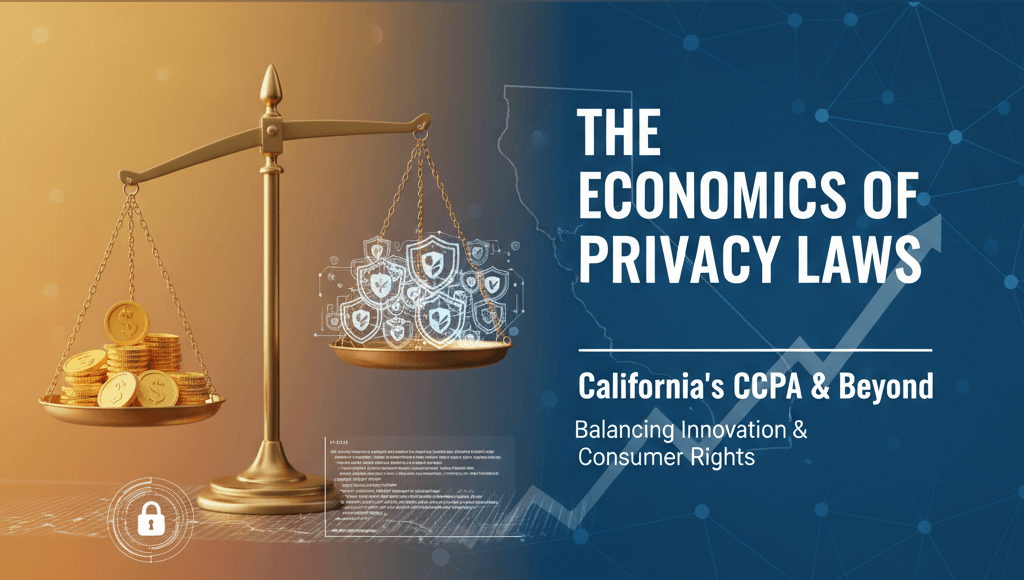
The Economics of Privacy Laws: How California’s CCPA?
The Economics of Privacy Laws: How California’s CCPA?
In recent years, data privacy has become one of the most pressing concerns for both consumers and businesses in the digital age. With increasing reports of data breaches, unauthorized tracking, and misuse of personal information, the demand for robust privacy protections has intensified. California’s Consumer Privacy Act (CCPA), enacted in 2018 and enforced since January 2020, stands as a landmark piece of legislation aimed at giving consumers greater control over their personal data.
However, privacy laws like the CCPA are not just about protecting consumers—they also carry profound economic implications for businesses, policymakers, and the broader digital economy.
HSBC Cashback Credit Card 2025 – Benefits, Rewards & How to Apply?

Understanding the CCPA
The California Consumer Privacy Act (CCPA) was designed to give residents of California more control over the personal information that businesses collect about them. Key provisions of the law include:
- The right for consumers to know what personal data is being collected.
- The right to request deletion of personal data.
- The right to opt-out of the sale of personal information.
- Protections against discrimination for exercising privacy rights.
While the intent is to empower consumers, compliance with the CCPA requires businesses to invest significantly in data management, legal counsel, and technological infrastructure. For many companies, particularly small and medium-sized enterprises, the costs of compliance have become a major economic factor.
Consumer Viewpoint and Financial Gains
Businesses must pay for compliance, but consumers benefit financially from privacy protections. Long-term economic growth depends on trust in digital markets, which is fostered by data privacy. Important advantages for customers consist of:
- Increased Control: Individuals can make informed decisions about their data, reducing the risk of identity theft or unauthorized marketing.
- Market Efficiency: Transparency encourages companies to compete on data ethics, potentially reducing exploitative practices.
- Financial Security: Strong privacy protections can prevent financial losses associated with data breaches.
Balancing Costs and Benefits
The economic debate surrounding privacy laws often centers on balancing compliance costs against consumer benefits. Critics of the CCPA argue that the law imposes disproportionate burdens on small businesses and may slow technological innovation. Supporters counter that the long-term economic benefits of protecting consumer data outweigh short-term compliance costs.
A study by the California Chamber of Commerce estimated that initial compliance costs for California businesses exceeded $55 billion, but these costs are gradually decreasing as businesses streamline data management processes. Meanwhile, surveys indicate that a growing segment of consumers prefers to engage with companies that prioritize privacy, suggesting potential revenue gains for compliant businesses.
Implications for the Tech Industry
The technology sector, which thrives on data-driven innovation, faces unique challenges under privacy laws. Companies like social media platforms, e-commerce businesses, and cloud services must carefully navigate data collection, storage, and processing practices.
- Advertising Revenue: Many digital platforms rely on personalized advertising, which depends on user data. Privacy laws that restrict data use can reduce ad effectiveness, potentially impacting revenue streams.
- Data Management Innovation: On the flip side, privacy laws incentivize the development of secure data storage solutions, anonymization tools, and privacy-first business models, creating new market opportunities.
- Investment Shifts: Venture capital and investment strategies increasingly consider compliance readiness as a factor in funding decisions, highlighting the economic weight of privacy regulations.
In conclusion: The Economics of Privacy Laws: How California’s CCPA?
The intricate economic dynamics of contemporary privacy legislation are best shown by California’s CCPA. Consumers benefit in real ways from security, control, and trust, but enterprises must pay upfront expenses for compliance and possible operating limitations. By promoting ethical data practices and boosting trust in online transactions, long-term privacy policies can promote a more robust digital economy.
Policymakers, corporate executives, and consumers must all comprehend the economic ramifications of the growing number of privacy laws in the US. In the digital age, striking a balance between costs and advantages while promoting innovation and safeguarding personal information will continue to be a crucial opportunity and challenge.
Why Cities Issue Municipal Bonds for Housing Projects: Financing Affordable Homes in America
Why Cities Issue Municipal Bonds for Housing Projects: Financing Affordable Homes in America