 A K
A K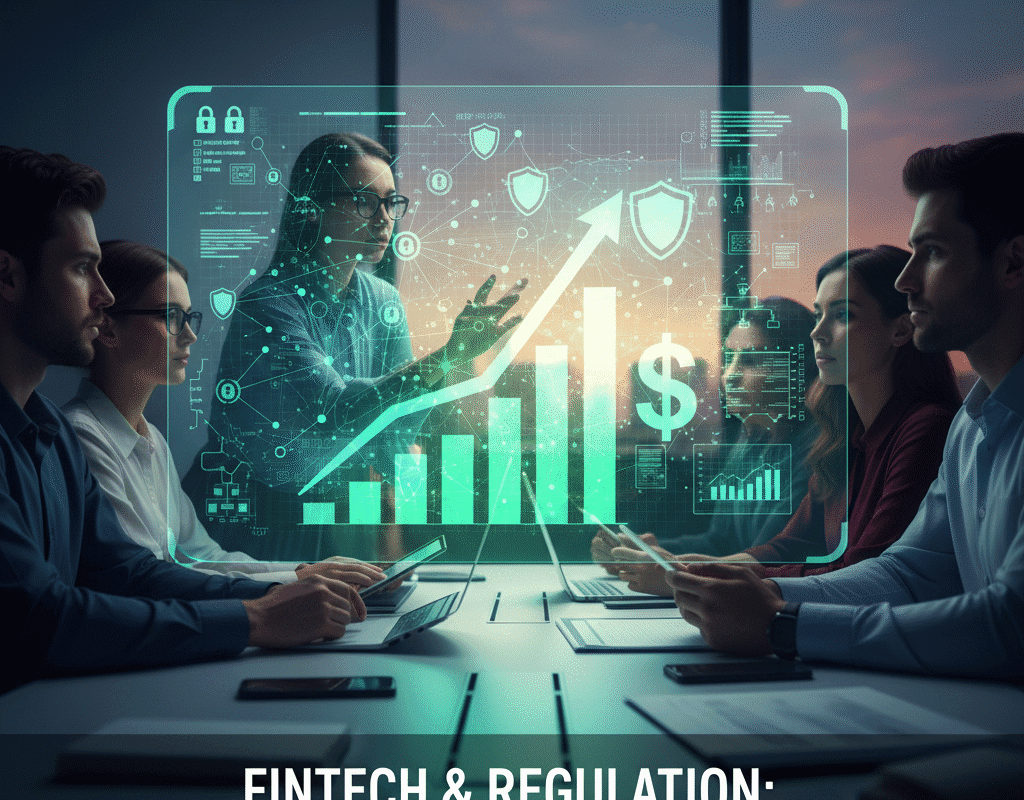
How U.S. Fintech Startups Navigate Rising Compliance?
How U.S. Fintech Startups Navigate Rising Compliance?
The fintech ecosystem in America is still growing in 2025 at a rate that few other industries can equal. Fintech startups are quickly influencing the everyday financial practices of American consumers and businesses, from digital payments and blockchain solutions to alternative financing and money-movement platforms.
However, one of the industry’s most urgent problems—the growing expense of regulatory compliance—lies behind the remarkable expansion.
Across the United States, fintech founders consistently point to compliance as both a barrier to entry and a critical risk factor for long-term stability.
Unlike traditional tech startups, fintech companies operate in a financial environment where failure to comply with rules can result in multimillion-dollar penalties, revoked licenses, customer data breaches, and reputational damage that no early-stage company can afford.
HSBC Cashback Credit Card 2025 – Benefits, Rewards & How to Apply?

The Compliance Landscape: Complex, Costly, and Constantly Evolving
Fintech companies in the United States face a broad and overlapping regulatory environment. Depending on their business model, a startup may need to comply with:
- Bank Secrecy Act (BSA)
- Anti-Money Laundering (AML) rules
- Know Your Customer (KYC) requirements
- Consumer Financial Protection Bureau (CFPB) guidelines
- State-by-state money transmitter laws
- SEC and FINRA oversight for investment products
- Federal Trade Commission (FTC) consumer protection rules
- Office of Foreign Assets Control (OFAC) sanctions
- Data privacy statutes such as CCPA and state-level cybersecurity laws.
The Reasons Behind Increasing Compliance Costs
In 2025, a number of factors will drive up the cost of compliance for fintech companies. Some trends are a direct reaction to recent industry events and technical advancements, while others are the result of long-standing financial security procedures.
Tighter Regulatory Oversight
In order to safeguard customers and bolster financial stability, regulators have stepped up regulation following years of rapid fintech expansion. More than ever, startups in the lending, payments, digital asset, and neobanking sectors are being scrutinized.
Regular Modifications to the Rules
Regulations pertaining to consumer credit, digital payments, and cryptocurrency assets are still changing as authorities strive to establish roles for new technology. As guidelines change, startups frequently have to modify their operations multiple times a year.
How Startups Strategically Manage Compliance Expenses
Despite rising costs, innovative fintech startups are not standing still. Many have developed creative methods to ensure regulatory alignment while keeping expenses manageable.
Prioritizing Compliance Early
Founders who embrace compliance from the concept phase rather than treating it as an afterthought avoid expensive mistakes later. Investors increasingly ask about compliance plans during seed and Series A funding rounds, encouraging proactive investment.
Outsourcing Compliance to Specialists
Some startups outsource compliance leadership to fractional Chief Compliance Officers (CCOs) or third-party advisers. This model allows early-stage companies to access regulatory expertise on a scalable basis.
The Human Cost: Challenges in Hiring Compliance Talent
One of the largest burdens on fintech companies is hiring qualified compliance staff. Demand far exceeds supply, especially as major banks and regulators increase recruitment.
Challenges include:
- High salary expectations
- Competition from traditional financial institutions
- Shortage of professionals experienced in both technology and regulation
- Increased workload and burnout within compliance roles
Many startups have begun training internal staff or hiring from adjacent fields, such as cybersecurity and risk management.
How Compliance Influences Funding and Investor Behavior
Venture capital firms now treat compliance maturity as a core investment criterion. Startups that demonstrate clear plans for regulatory alignment tend to secure funding more easily.
Investors frequently ask:
- Does the company have a documented compliance program?
- Is there an experienced compliance officer on staff?
- How does the company manage AML, KYC, and fraud prevention?
- Are there potential licensing liabilities?
Financial backers increasingly seek assurance that regulatory missteps will not jeopardize their investment.
Conclusion: How U.S. Fintech Startups Navigate Rising Compliance?
Although U.S. fintech firms face significant obstacles due to escalating compliance expenses, industry executives are increasingly viewing regulatory excellence as a competitive advantage rather than a burden. Fintech entrepreneurs may successfully negotiate the complicated regulatory environment without compromising flexibility or expansion through early planning, smart alliances, regtech adoption, and a robust internal culture.
The fintech ecosystem will continue to develop in the upcoming years. In a financial world that is changing quickly, those who view compliance as an essential role rather than a barrier will be in the best position to prosper.
Why U.S. Infrastructure Bills Often Face Cost Overruns: Causes, Challenges, and Solutions
Why U.S. Infrastructure Bills Often Face Cost Overruns: Causes, Challenges, and Solutions