 A K
A K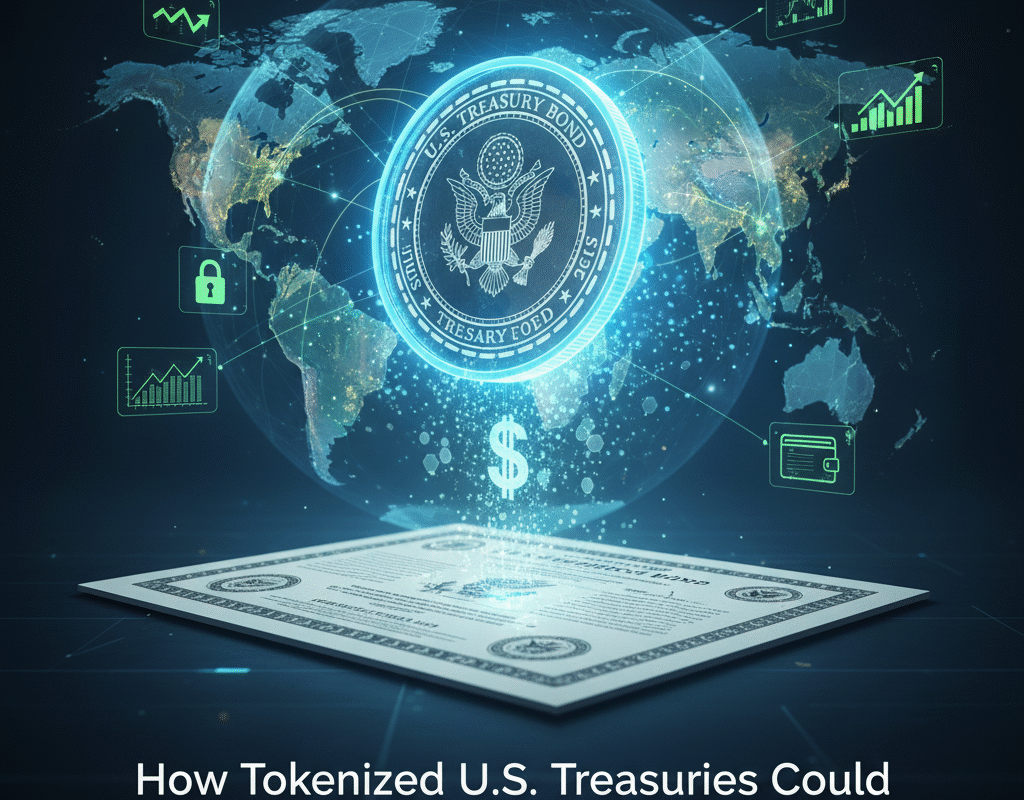
How Tokenized U.S. Treasuries Could Revolutionize?
How Tokenized U.S. Treasuries Could Revolutionize?
The financial world is on the brink of a technological transformation, and tokenized U.S. Treasuries are at the forefront of this revolution. As blockchain technology continues to redefine how assets are issued, traded, and settled, the tokenization of government debt is emerging as a game-changer for global investing.
This innovation promises to enhance liquidity, transparency, and accessibility, reshaping traditional capital markets and creating new opportunities for investors worldwide.
HSBC Cashback Credit Card 2025 – Benefits, Rewards & How to Apply?

What Are Tokenized U.S. Treasuries?
Tokenized U.S. Treasuries are digital representations of U.S. government debt securities issued on blockchain networks. Traditionally, U.S. Treasuries—such as Treasury bills, notes, and bonds—are bought and sold through banks, brokers, and other financial intermediaries.
Tokenization converts these conventional debt instruments into blockchain-based digital tokens, allowing them to be traded on decentralized platforms.
Each token represents a fractional ownership of an actual U.S. Treasury security, backed by the full faith and credit of the U.S. government.
By digitizing these securities, tokenization aims to streamline settlement processes, reduce costs, and provide near-instant liquidity in markets that were previously limited by operational inefficiencies.
The Role of Blockchain Technology
The backbone of tokenized U.S. Treasuries is blockchain technology, which enables secure, transparent, and programmable financial instruments. By leveraging decentralized ledgers, tokenized Treasuries eliminate reliance on centralized intermediaries while maintaining compliance with regulatory requirements.
Blockchain also enables interoperability between different platforms and networks, meaning that tokenized Treasuries could be integrated with other digital assets and DeFi (Decentralized Finance) applications.
This connectivity allows for innovative investment strategies, such as using tokenized Treasuries as collateral for lending, borrowing, or staking in DeFi protocols.
Possible Advantages for Institutional Investors
Tokenized Treasuries have a lot to offer institutional investors, such as banks, hedge funds, and pension funds:
- Cost Efficiency: Tokenization can reduce transaction costs and operational overhead by eliminating the need for middlemen and automating procedures with smart contracts.
- Portfolio Diversification: By adjusting exposure to Treasury markets more precisely, fractional ownership helps institutions optimize risk management.
- Improved Reporting: Blockchain’s real-time data guarantees precise position tracking and compliance reporting, enhancing transparency for internal risk management teams and regulators.
Global Implications
Tokenized U.S. Treasuries could have profound implications for global investing:
- Democratization of Investment: Retail investors worldwide could participate in U.S. government debt markets, reducing barriers to entry and expanding capital access.
- Cross-Border Capital Flows: Faster settlement and 24/7 trading could increase foreign investment in U.S. Treasuries, affecting exchange rates, interest rates, and global liquidity.
- Integration with Digital Economies: Tokenized Treasuries could become part of broader digital financial ecosystems, linking traditional debt markets with cryptocurrencies, stablecoins, and other tokenized assets.
Pilot Programs and Case Studies
Tokenized U.S. Treasuries are already being investigated by a number of financial institutions and fintech firms:
- Leading banks, including JPMorgan, are testing tokenized securities platforms that let institutional clients exchange Treasury notes on blockchain networks.
- Fintech Startups: To bridge the gap between traditional finance and DeFi, creative startups are providing fractional Treasury tokens to ordinary investors.
- Pilot Projects by the Government: Some government-backed initiatives are testing blockchain-based digital securities to streamline issuance and settlement processes, ensuring compatibility with regulatory frameworks.
The Future of Tokenized Treasuries
While still in its early stages, tokenized U.S. Treasuries represent a paradigm shift in global investing. The combination of blockchain technology, fractional ownership, and decentralized trading platforms could reshape how government debt is issued, traded, and utilized as collateral.
As adoption grows, tokenized Treasuries may become an essential tool for investors seeking liquidity, efficiency, and accessibility. They could also pave the way for a broader transformation of capital markets, integrating digital assets and traditional securities into a cohesive financial ecosystem.
In conclusion: How Tokenized U.S. Treasuries Could Revolutioniz?
Tokenized U.S. Treasuries have the potential to redefine global investing. By leveraging blockchain technology, they offer enhanced liquidity, faster settlement, global accessibility, and transparency. For both institutional and retail investors, the digitization of U.S. government debt opens new opportunities for portfolio diversification and innovative financial strategies.
While regulatory and technological challenges remain, the momentum behind tokenized Treasuries is undeniable. As adoption increases, the world could witness a significant evolution in how capital markets operate, making U.S. Treasuries more inclusive, efficient, and interconnected than ever before.
The era of digital finance is here, and tokenized U.S. Treasuries are leading the charge in transforming the future of global investing.
How U.S. Federal Grants Drive Economic Growth in Small-Town America
How U.S. Federal Grants Drive Economic Growth in Small-Town America