 A K
A K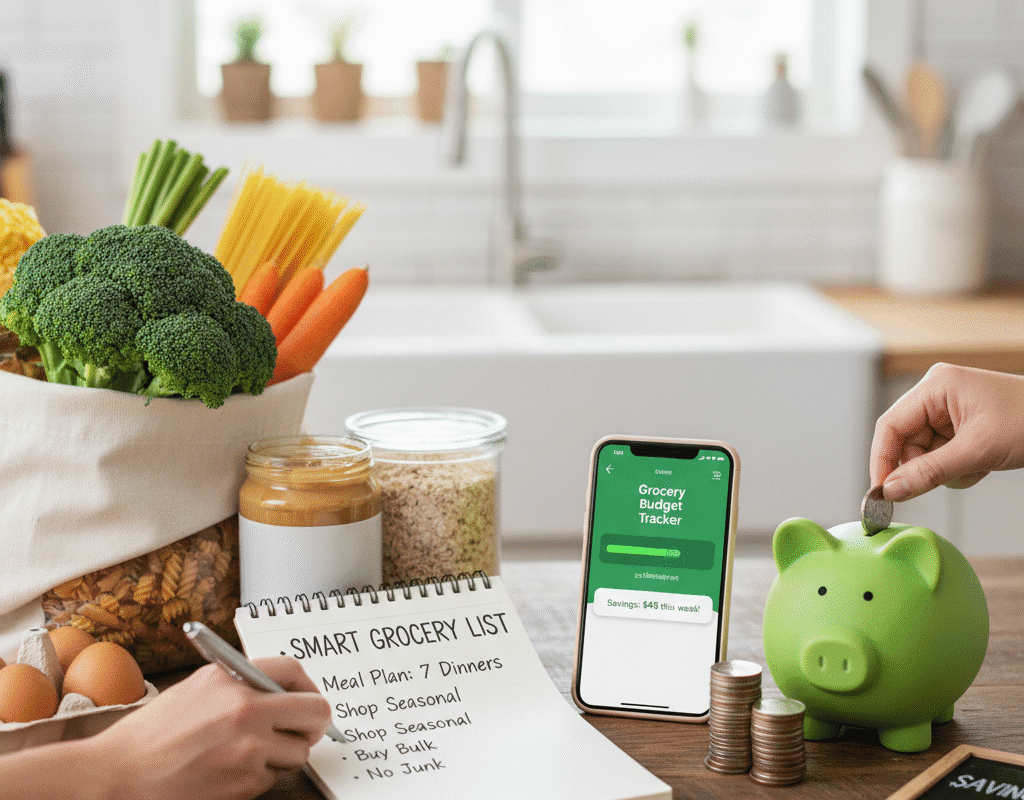
How to Save Money on Groceries Without Coupons?
How to Save Money on Groceries Without Coupons?
One of the largest expenses for American households is groceries. The average household spends more than $7,000 a year on food, with groceries accounting for about half of that amount, according to the U.S. Bureau of Labor Statistics. Coupons are a popular way for individuals to save money, but not everyone wants to spend hours organizing, scanning, and cutting coupons at the register.
The good news? Without ever using a coupon, you can save hundreds or even thousands of dollars annually on groceries. You may drastically lower your grocery bill by planning ahead, making minor adjustments, and developing wiser shopping habits.
HSBC Cashback Credit Card 2025 – Benefits, Rewards & How to Apply?

Establish and adhere to a grocery budget
Understanding how much you can afford to spend is the first step towards saving money. Depending on your household size, income, and dietary requirements, create a weekly or monthly grocery budget. Use cash or a prepaid card to avoid overspending.
Plan Meals Ahead of Time
Meal planning prevents impulse purchases and food waste. Create a weekly meal plan and a corresponding shopping list. Focus on recipes that use overlapping ingredients to stretch your dollar further.
Shop With a List (and Don’t Deviate)
Walking into a store without a list often leads to unnecessary purchases. Stick to your list, and avoid buying items just because they look appealing.
Never Go Shopping Feeling Famished
Studies show that people buy more—and less healthy—food when shopping on an empty stomach. Eat a snack before you head to the store to avoid impulse buys.
Buy in Bulk (But Smartly)
Items like rice, beans, pasta, oats, and frozen vegetables are cheaper when bought in bulk. However, avoid bulk purchases of perishable items unless you can freeze or preserve them.
Embrace Store Brands
Generic or store-brand products are often just as good as name brands but cost 10–30% less. Test a few store-brand staples like milk, cereal, and cleaning supplies—you might not notice the difference.
Purchase Fresh Produce
Seasonal fruits and vegetables are fresher and less expensive. In summer, stock up on berries and corn; in fall, buy apples and squash; in winter, go for citrus and root vegetables.
Freeze Extra Produce
If you find seasonal produce at low prices, freeze or preserve it. Frozen fruits are perfect for smoothies, while frozen vegetables can be added to soups, stir-fries, or casseroles.
Avoid Pre-Cut or Pre-Packaged Foods
Convenience comes at a price. Pre-sliced fruit, pre-grated cheese, and pre-packaged salads can cost up to 50% more. Buy whole ingredients and prep them yourself.
Make More Food at Home
Eating out, even at fast-food restaurants, is more expensive than cooking at home. Preparing meals from scratch can cut food costs dramatically while giving you healthier options.
Batch Cook and Meal Prep
Cooking in bulk saves time and money. Make large portions of chili, soups, casseroles, or pasta dishes, then freeze individual servings for later use.
Use the “Perimeter Rule” in Stores
Most essentials—produce, dairy, meat, and bread—are located around the perimeter of grocery stores. Avoid wandering into inner aisles filled with processed and overpriced foods.
Take Advantage of Store Loyalty Programs
Even if you’re skipping coupons, store loyalty cards can give you instant discounts, digital deals, and fuel points. They’re free to sign up for and often save shoppers hundreds annually.
Compare Unit Prices
Always check the unit price (per ounce, pound, or liter) instead of the sticker price. Larger packages may not always be the cheapest.
Shop Discount Grocery Stores
Chains like Aldi, Lidl, and WinCo offer significant savings compared to traditional supermarkets. If you have one nearby, consider making it your primary store.
Try a “Meatless Monday”
Meat is often the most expensive part of a grocery bill. By replacing meat with beans, lentils, tofu, or eggs at least once a week, you can save hundreds annually.
Use Cash-Back Apps
While not traditional coupons, cash-back apps like Ibotta, Rakuten, and Fetch Rewards let you earn money back on everyday purchases. Simply scan your receipts after shopping.
Buy Frozen Instead of Fresh (When It Makes Sense)
Frozen fruits and vegetables are often cheaper than fresh, especially out of season. They also last longer, reducing food waste.
Avoid Buying Junk Food
In addition to being expensive, chips, soda, cookies, and snack bars don’t offer much nutritional value. You’ll save money right away if you reduce your intake of processed snacks.
Cut Down on Domestic Food Waste
According to the USDA, Americans waste between 30 and 40 percent of their food supply. In order to avoid waste:
- Properly store produce.
- Older food should be rotated to the front of the refrigerator.
- Make fresh dishes out of leftovers.
Look for deals, but avoid overspending
You can save money during sales, but it’s wasteful to buy things you won’t use before they expire or don’t need. Limit your purchases to necessities.
Produce Your Own Food
Grocery expenses can be considerably reduced by planting a small garden with herbs, tomatoes, lettuce, and peppers. Even if you live in an apartment, container gardening can provide fresh produce.
Drink More Water
Cutting back on soda, juice, and alcohol not only saves money but also improves health. Stick to tap water or filtered water for big savings.
Consider a Warehouse Membership
Stores like Costco and Sam’s Club offer bulk deals that can be worth the membership fee—especially for large families. Just make sure you actually use what you buy.
Take part in “mindful shopping.”
Make sure you scan your cart before checking out. Do I really need this, you ask? Could I do it at home for less money? Removing just 2–3 unnecessary items per trip can save $20–$50 each week.
Concluding remarks
You don’t need coupons to save big on groceries. By budgeting, meal planning, avoiding food waste, and adopting smarter shopping habits, you can reduce your grocery bill without sacrificing quality.
Remember, small changes add up. Even saving $20 per week translates to over $1,000 annually—a significant boost to your household budget.
If inflation and rising food prices are weighing on your wallet, these 25 practical tips are your roadmap to affordable, stress-free grocery shopping.
The Impact of AI in Healthcare: Revolutionizing Patient Care in 2024
The Impact of AI in Healthcare: Revolutionizing Patient Care in 2024