 A K
A K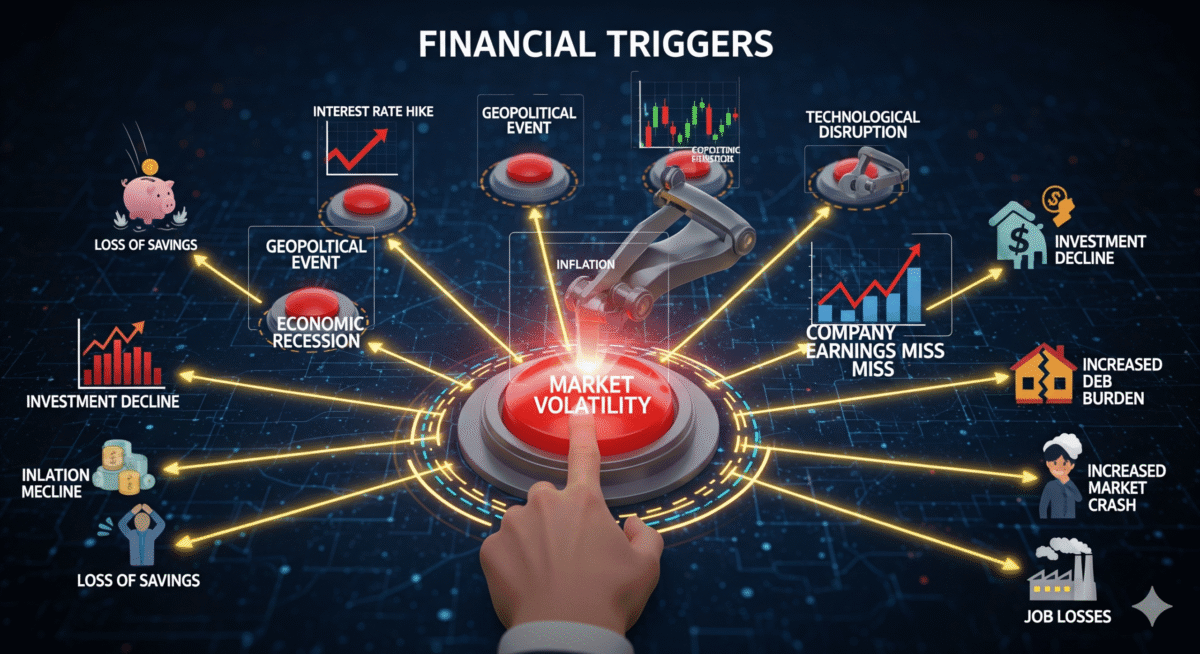
How to Identify Your Financial Triggers:
How to Identify Your Financial Triggers:
Managing finances involves more than just looking at spreadsheet data. Our subconscious habits, surroundings, and feelings frequently influence our spending and saving more than we are aware of. Financial triggers, which are situational or psychological elements that affect decisions about investing, saving, or spending, are a problem for many Americans.
The first step to taking back control of your finances and developing a better relationship with them is figuring out what your financial triggers are. The science underlying financial triggers, their definition, and effective management techniques are all covered in this extensive guide.
HSBC Cashback Credit Card 2025 – Benefits, Rewards & How to Apply?

Financial Triggers: What Are They?
Financial triggers are situational, psychological, or emotional cues that make you react in a way that influences your financial decisions. These reactions typically result in risky financial decisions, bad saving practices, or excessive spending.
For instance:
- Purchasing takeout rather than cooking at home because you’re stressed.
- Late-night internet shopping as a “reward” following a challenging day.
- To prevent feeling excluded, you spend more money while you’re around friends.
These triggers often operate subconsciously, meaning you may not realize they’re influencing your actions until the financial consequences show up—such as credit card debt, depleted savings, or buyer’s remorse.
The Significance of Recognizing Financial Triggers
A 2024 American Psychological Association survey found that 65% of Americans said that their major source of stress is money. Left unchecked, financial triggers can lead to:
- Chronic debt from impulse buying.
- Strained relationships due to money conflicts.
- Mental health challenges, including anxiety and guilt.
- Missed financial goals, like retirement savings or buying a home.
By learning to recognize your triggers, you gain the ability to pause, reflect, and make intentional decisions instead of reacting impulsively.
Typical Financial Trigger Types
There are many different types of financial triggers. Here are the most common categories:
Emotional Triggers
Emotions drive many financial decisions. Some key examples include:
- Stress spending – Buying unnecessary items to “cope” with pressure.
- Retail therapy – Shopping to boost mood when feeling down.
- Guilt-driven spending – Overspending on loved ones to compensate for lack of time.
- Fear of missing out (FOMO) – Spending on experiences or investments because others are doing it.
Environmental Triggers
Your surroundings often influence spending without you realizing it:
- Advertisements & social media pushing “limited-time offers.”
- Sales and discounts that create urgency.
- Friends and peer pressure encouraging expensive outings.
Recurring Triggers
These are deep-rooted habits that result in unintentional spending:
- Getting coffee on the way to work every day.
- purchasing new clothing each pay period.
- Out of habit, I get takeout on Friday nights.
Triggers of Lifestyle
Spending may also be influenced by your lifestyle choices and time of life:
- Overspending on baby items by new parents.
- Spending too much on social events by college students.
- professionals making improvements to homes, vehicles, or technology to “fit in.”
How to Determine What Sets Off Your Finances
This is a methodical approach to identifying your unique triggers:
Step 1: Monitor Your Expenses
- Make use of budgeting applications such as Personal Capital, YNAB, or Mint.
- Keep a daily spending journal for at least 30 days.
- Highlight purchases that feel “impulsive” or “unnecessary.”Concluding remarks
Identifying your financial triggers is one of the most powerful steps you can take toward financial wellness. By recognizing emotional and environmental influences, you gain the power to pause, reflect, and make choices aligned with your long-term goals.
Whether it’s stress, social pressure, or habitual spending, being aware of what drives your financial behavior allows you to rewrite your money story—and build a future of financial stability and peace of mind.
Step 2: Note the Circumstances
Ask yourself:
- What was I feeling? (bored, stressed, happy, lonely)
- Where was I? (at home, at the mall, online, with friends)
- What time was it? (late at night, payday, weekend)
- Patterns will emerge when you analyze the context behind your spending.
Step 3: Identify Emotional Patterns
Notice recurring emotions tied to financial decisions. For example:
- Do you spend more when you’re anxious?
- Do you buy “status items” to feel accepted?
- Do you shop when you’re bored?
Step 4: Reflect on Triggers Linked to People
Ask:
- Do certain friends encourage overspending?
- Does social media create envy and unnecessary purchases?
- Do family expectations push you to spend beyond your means?
Step 5: Review Big Financial Decisions
Look back at past large purchases (car, vacation, tech gadget) and analyze what drove the decision—logic, need, or emotional impulse.
Strategies to Manage Financial Triggers
Once you’ve identified your triggers, it’s time to build healthier money habits.
Create a Pause Rule
Before buying anything over $50 (or a self-set limit), wait 24 hours. This gives your emotions time to settle.
Set Clear Financial Goals
When you have savings or debt payoff goals, it’s easier to resist impulsive spending because you know where your money should go.
Build an Emergency Buffer
Some financial triggers, like stress and fear, come from not having savings. A small emergency fund ($500–$1,000) can reduce anxiety-driven spending.
Set Up Financial Automation
Configure automatic bill payment and savings transfers. By doing this, the temptation to spend money that ought to be preserved is eliminated.
Engage in Conscientious Spending
Prior to buying, inquire:
- Do I desire this or do I need it?
- Will I still value it in 30 days?
- Is this aligned with my financial goals?
Limit Environmental Triggers
- Unsubscribe from promotional emails.
- Delete saved credit cards from online stores.
- Reduce time on social media that promotes consumerism.
Build Healthy Emotional Outlets
Instead of shopping when stressed, try:
- Exercising or meditating.
- Calling a friend.
- Journaling or creative hobbies.
The Role of Psychology in Financial Triggers
Neuroscience research shows that spending activates the brain’s reward system, releasing dopamine. This explains why emotional spending feels good temporarily but often leads to regret.
Financial therapists often highlight that money isn’t just about numbers—it’s about identity, emotions, and beliefs. Childhood experiences, family values, and cultural norms shape how we view money and react to triggers.
Expert Insights on Financial Triggers
Financial planners and psychologists recommend blending practical money management tools with behavioral awareness techniques.
- Certified Financial Planners (CFPs) suggest tracking net worth to stay focused.
- Behavioral psychologists encourage mindfulness practices to break the emotional cycle of spending.
- Financial coaches recommend accountability partners for better self-control.
Concluding Remarks
Identifying your financial triggers is one of the most powerful steps you can take toward financial wellness. By recognizing emotional and environmental influences, you gain the power to pause, reflect, and make choices aligned with your long-term goals.
Whether it’s stress, social pressure, or habitual spending, being aware of what drives your financial behavior allows you to rewrite your money story—and build a future of financial stability and peace of mind.
Why Most People Fail at Saving Money: Hidden Habits and Solutions
Why Most People Fail at Saving Money: Hidden Habits and Solutions