 A K
A K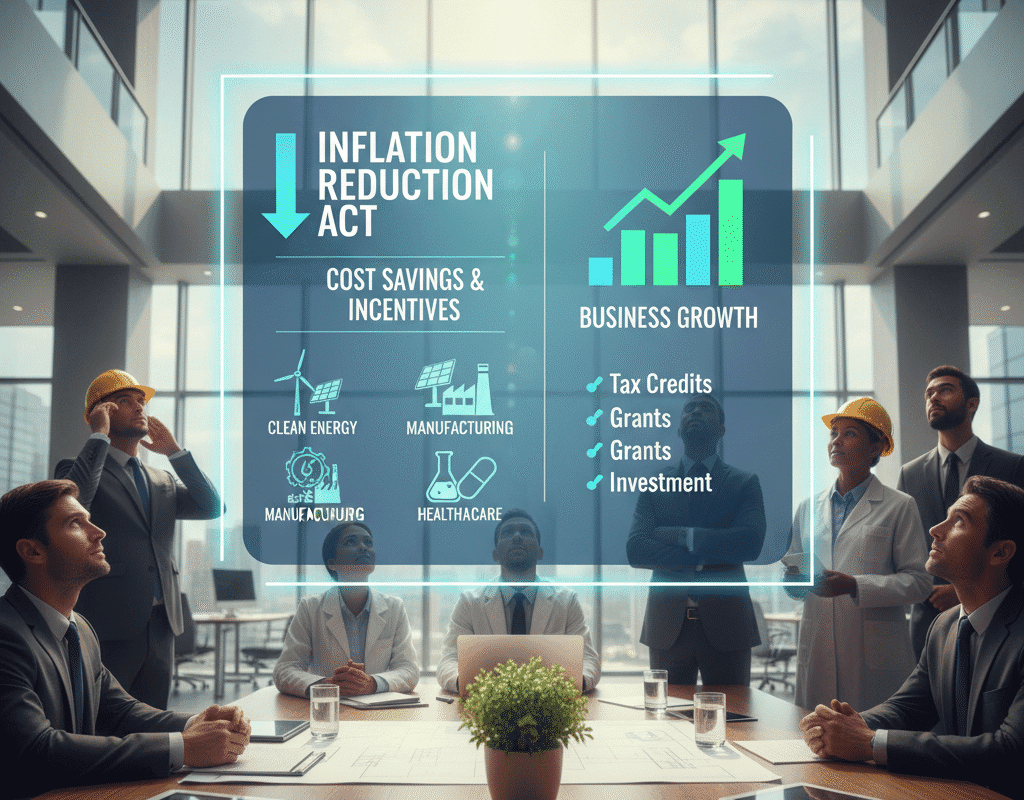
How the Inflation Reduction Act Impacts?
How the Inflation Reduction Act Impacts?
The Inflation Reduction Act (IRA), signed into law in August 2022, represents a significant legislative effort by the U.S. government to curb inflation, promote clean energy, and strengthen the American economy. While much of the discussion around the IRA has centered on its environmental and consumer impacts, the legislation carries profound implications for businesses of all sizes. From tax incentives to energy efficiency requirements, businesses across industries must understand and adapt to the opportunities and challenges the IRA presents.
HSBC Cashback Credit Card 2025 – Benefits, Rewards & How to Apply?

Overview of the Inflation Reduction Act
The Inflation Reduction Act is a comprehensive policy aimed at reducing federal deficits, combating inflationary pressures, and promoting energy sustainability. Its key provisions include:
- Corporate Tax Reforms: The Act introduces a 15% minimum corporate tax for large corporations, aiming to ensure that profitable businesses contribute fairly to federal revenue.
- Energy and Climate Incentives: The IRA allocates billions toward clean energy projects, including solar, wind, and electric vehicle (EV) initiatives, creating incentives for businesses investing in sustainable technologies.
- Healthcare and Prescription Drug Reforms: While more consumer-focused, healthcare changes can indirectly affect businesses by reducing insurance costs and stabilizing employee healthcare benefits.
Tax Implications for Businesses
One of the most discussed aspects of the IRA is its impact on corporate taxation. Businesses with profits exceeding $1 billion annually are subject to a new minimum corporate tax of 15%.
This change is intended to ensure that large corporations contribute a fair share of taxes, potentially affecting financial planning and investment strategies.
Key points for businesses include:
- Large Corporations: Companies earning over $1 billion must calculate the minimum tax and adjust financial reporting accordingly.
- Small and Medium Businesses: Smaller businesses are largely exempt from the new minimum tax, which can incentivize growth and reinvestment.
- R&D and Investment Credits: Despite increased taxes for large corporations, the IRA expands tax credits for research, development, and green investments, offering ways to reduce taxable income.
Clean Energy and Sustainability Incentives
The IRA strongly emphasizes clean energy and sustainability, providing significant financial incentives to businesses that adopt green practices. Key initiatives include:
- Renewable Energy Tax Credits: Businesses investing in solar panels, wind farms, or other renewable technologies can claim substantial tax credits.
- Energy Efficiency Grants: Companies upgrading facilities with energy-efficient systems, including HVAC, lighting, and machinery, are eligible for grants and rebates.
- Electric Vehicle Incentives: Businesses that transition fleets to electric vehicles can benefit from tax credits and subsidies.
These incentives are designed not only to reduce carbon emissions but also to encourage innovation in the energy sector. Companies that act early can secure competitive advantages while reducing long-term operational costs.
Impacts on Small Businesses
While large corporations face tax changes, the IRA also provides opportunities for small businesses. Incentives include:
- Energy Efficiency Rebates: Small business owners can apply for rebates to upgrade energy systems, lowering utility bills.
- Access to Funding: The Act includes provisions for low-interest loans and grants for businesses investing in clean energy or sustainable technologies.
- Job Creation Support: Programs under the IRA may provide workforce training grants, especially in green energy sectors, aiding small businesses in hiring and retaining skilled employees.
Small businesses that leverage these opportunities can reduce costs, increase efficiency, and position themselves as environmentally responsible market leaders.
Compliance and Reporting
Businesses must be aware of compliance requirements under the IRA. Proper documentation and reporting are essential to claim tax credits, rebates, and other benefits. Non-compliance may result in penalties or missed opportunities. Key considerations include:
- Documentation of Energy Investments: Maintain records of expenditures on energy-efficient upgrades and renewable energy installations.
- Tax Credit Applications: Companies must carefully follow IRS guidance when applying for credits to ensure eligibility.
- Audit Preparedness: Businesses claiming IRA benefits should prepare for potential audits, maintaining accurate financial records and project documentation.
Economic and Market Implications
The IRA is expected to reshape business investment decisions and market dynamics. Key economic impacts include:
- Stimulated Green Investment: Businesses are more likely to invest in renewable energy and sustainable practices.
- Shifts in Supply Chains: Companies may adjust supply chains to meet environmental standards and benefit from tax incentives.
- Job Market Effects: Increased funding for clean energy projects can create employment opportunities, especially in engineering, construction, and manufacturing sectors.
Strategies for Businesses to Maximize Benefits
- Conduct Energy Audits: Identify areas where energy efficiency can reduce costs and qualify for IRA incentives.
- Explore Grants and Credits Early: Apply for available tax credits, grants, and rebates to offset investment costs.
- Engage Financial Experts: Consult tax professionals to ensure compliance and optimize financial strategies.
- Invest in Sustainable Innovation: Use R&D tax credits to fund the development of green technologies or processes.
- Monitor Policy Updates: Stay informed about IRS guidance, state-level incentives, and program timelines.
In conclusion: How the Inflation Reduction Act Impacts?
More than just a piece of legislation, the Inflation Reduction Act is a revolutionary force that is changing the corporate environment in the United States. The IRA presents businesses with both potential and challenges by providing tax incentives, financing for renewable energy, and help for energy efficiency. Businesses can gain long-term competitive advantages, lower operating costs, and increased sustainability by proactively adjusting to this regulation.
To reap the benefits of the Inflation Reduction Act, businesses of all sizes—from small startups to huge corporations—must examine their operations, investment strategy, and compliance readiness. By doing this, they not only support a sustainable economy but also set themselves up for success in a changing market.
Why Some States Have Tax Surpluses While Others Don’t: Understanding State Finances
Why Some States Have Tax Surpluses While Others Don’t: Understanding State Finances