 A K
A K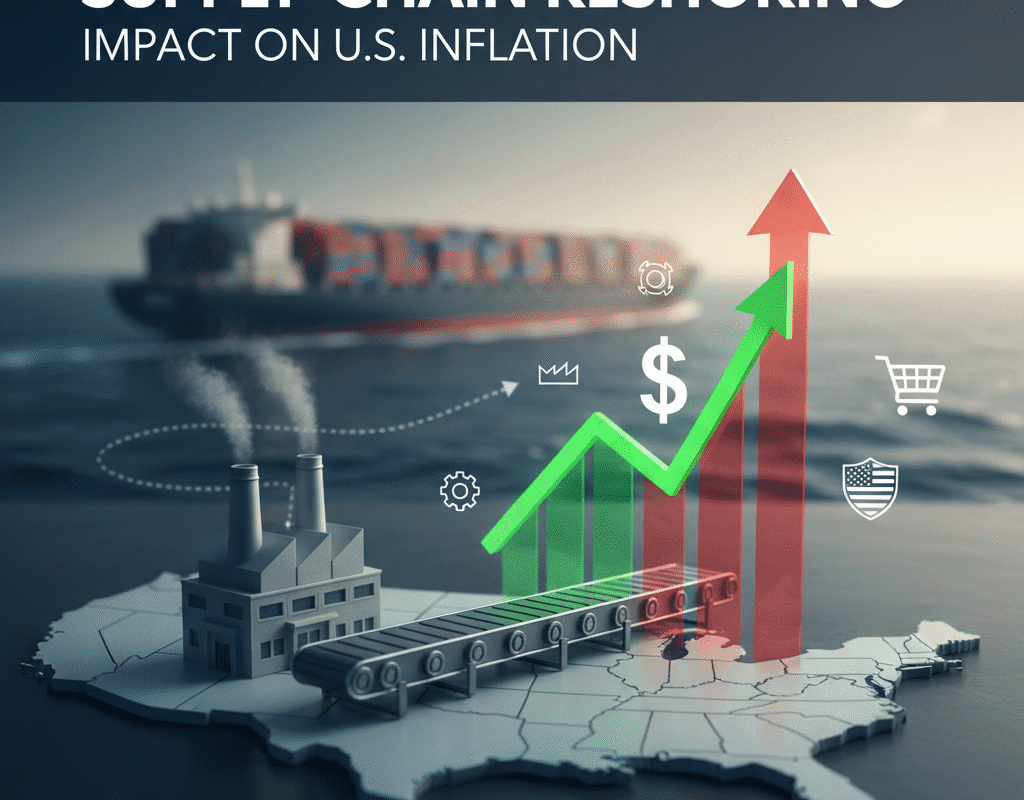
How Supply-Chain Reshoring Influences U.S. Inflation?
How Supply-Chain Reshoring Influences U.S. Inflation?
In recent years, U.S. businesses and policymakers have been grappling with the complexities of global supply chains, especially in the aftermath of the COVID-19 pandemic and rising geopolitical tensions. One strategy gaining traction is supply-chain reshoring, the process of bringing manufacturing and production back to the United States. While reshoring promises to strengthen domestic industries and create jobs, its implications on U.S. inflation are complex and multifaceted. This article explores how reshoring influences prices, costs, and economic stability, providing insights into the broader effects on the American economy.
HSBC Cashback Credit Card 2025 – Benefits, Rewards & How to Apply?

Understanding Supply-Chain Reshoring
Supply-chain reshoring refers to relocating manufacturing operations from foreign countries back to the U.S. The concept emerged as companies sought to reduce dependency on overseas suppliers, minimize risks associated with long and fragile supply chains, and take advantage of advancements in automation and manufacturing technologies.
Historically, the U.S. offshored much of its manufacturing to countries with lower labor costs, such as China, Mexico, and India. This approach helped businesses reduce production costs and increase profit margins. However, events like trade wars, pandemic-induced disruptions, and shipping bottlenecks revealed vulnerabilities in relying heavily on foreign production.
Reshoring’s Effect on US Inflation
Changes in production costs, consumer pricing, and wage pressures are the main ways that reshoring influences inflation. Although it has the potential to stabilize supply chains, its increased operational expenses can have a negative impact on the economy.
- Costs of Production and Consumer Prices
Generally speaking, it costs more to produce things domestically than to source them from low-cost nations. The cost of labor in the United States is far higher than in underdeveloped nations, and other expenses include energy, real estate, and regulatory compliance.
- Effects of the Labor Market and Wage Pressure
Reshoring can create new jobs, particularly in manufacturing, logistics, and engineering. This helps the labor market, but it also pushes wages upward. Businesses facing higher wage bills may adjust pricing to maintain profitability, further influencing inflation rates.
Sector-Specific Impacts
- Technology and Electronics
Asian manufacturing has a major role in the electronics industry. Due to increased local labor and operating costs, reshoring high-tech production to the United States may result in a brief increase in the price of gadgets like computers and smartphones. On the other hand, it might stabilize supply networks, lowering the possibility of abrupt price increases.
- Automobile Sector
Reshoring car production may lessen vulnerability to worldwide semiconductor shortages, but it may also result in short-term price increases. Domestic production may eventually support stable inflation patterns in the auto industry.
- Pharmaceuticals
Bringing pharmaceutical manufacturing back to the U.S. can secure drug supply chains, which helps avoid sudden price surges caused by shortages. However, compliance with strict FDA regulations and higher operational costs may contribute to incremental increases in healthcare-related inflation.
Macroeconomic Consequences
- Trends in Inflation
The net effect of reshoring on U.S. inflation is nuanced. While some sectors may experience higher costs due to domestic production, the broader economy could benefit from reduced volatility in the long term. Stabilized supply chains can prevent sudden price spikes that have historically contributed to inflationary pressures.
- Trade Balance and Import Costs
Reshoring can reduce dependence on imports, improving the U.S. trade balance. A lower trade deficit can strengthen the dollar, potentially offsetting inflationary pressures caused by higher domestic production costs.
In conclusion: How Supply-Chain Reshoring Influences U.S. Inflation?
Supply-chain reshoring is a double-edged sword for U.S. inflation. On one hand, it increases domestic production costs and wages, potentially pushing up prices. On the other hand, it reduces vulnerability to global supply chain disruptions, stabilizes critical goods, and strengthens the U.S. economy over the long term.
For policymakers and business leaders, the key lies in balancing short-term inflationary pressures with long-term economic resilience. Effective use of technology, workforce development, and strategic incentives can help reshape American manufacturing in a way that supports both economic growth and price stability.
As the U.S. continues to prioritize reshoring, understanding its implications for inflation will be critical for consumers, businesses, and investors alike.