 A K
A K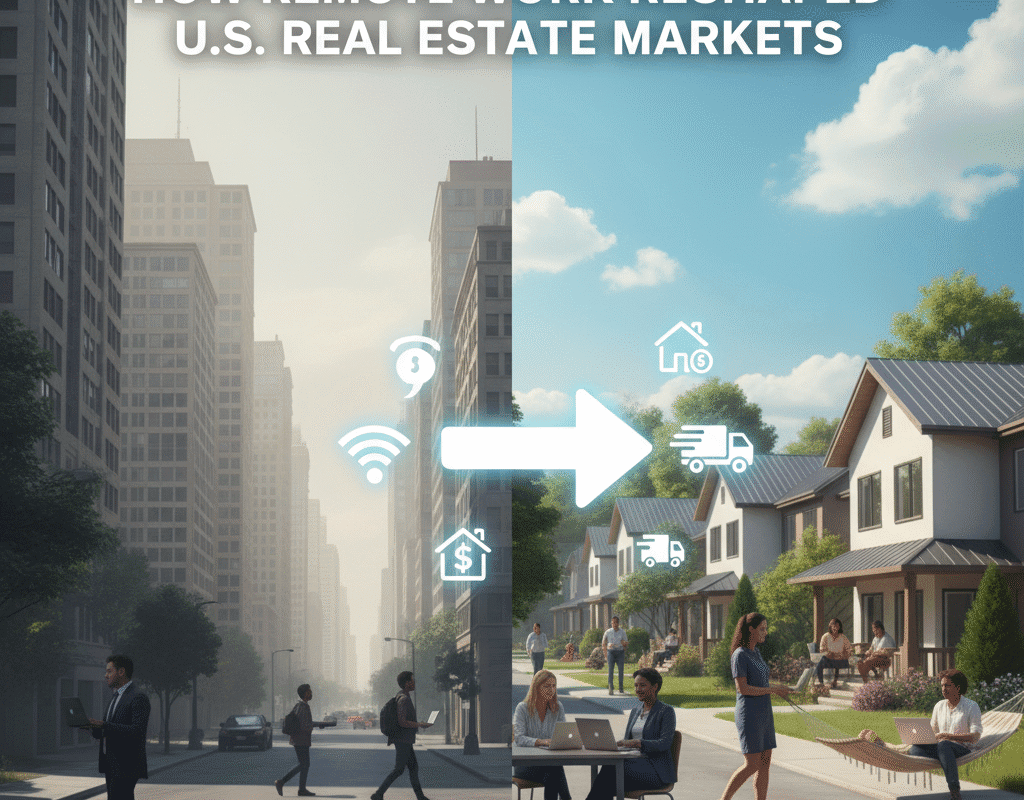
How Remote Work is Reshaping U.S. Real Estate Markets?
How Remote Work is Reshaping U.S. Real Estate Markets?
In addition to changing how Americans work, the COVID-19 pandemic significantly altered the country’s real estate market. Cities and suburbs saw previously unheard-of shifts in housing demand, pricing, and development patterns as millions of workers switched to remote work. One of the biggest changes in U.S. real estate in decades is being driven by remote labor, from surging suburban home prices to dwindling need for office space in major urban centers.
The significant effects of remote work on residential and commercial markets, investment trends, and prospects for purchasers, renters, and real estate investors are all examined in this article.
HSBC Cashback Credit Card 2025 – Benefits, Rewards & How to Apply?

The Remote Work Boom: A Quick Overview
Before 2020, remote work was a growing but niche phenomenon. Only a small fraction of employees had the flexibility to work from home full-time. The pandemic changed that overnight, forcing companies to adopt telecommuting on a massive scale.
- Statistics: By mid-2021, nearly 25% of U.S. workers were working fully remotely, while over 40% had hybrid arrangements.
- Long-term trend: Surveys indicate that 58% of U.S. workers prefer to remain remote at least part of the week even as offices reopen.
This seismic shift in the workforce has directly influenced where people live, how cities function, and the types of real estate properties in demand.
Urban Exodus: Cities Losing Residents
One of the most visible effects of remote work is the “urban exodus.” High-density urban centers, once magnets for young professionals, are seeing population stagnation or decline.
- Housing demand drops: Cities like New York, San Francisco, and Chicago reported slower rental growth and even rent declines in some neighborhoods.
- Motivation for moving: Remote workers sought larger homes, more outdoor space, and affordable housing in suburbs or smaller cities.
- Impact on commercial real estate: Office buildings in downtown areas have struggled with lower occupancy rates and declining lease demand.
The urban exodus has forced city planners and property developers to reconsider the future of high-rise apartments, office towers, and urban infrastructure.
Suburban Surge: Where Homebuyers Are Moving
Suburban real estate markets have experienced unprecedented demand since the rise of remote work. Buyers are prioritizing space, affordability, and quality of life over proximity to downtown offices.
- Price growth: Suburban markets in Austin, Raleigh, and Nashville have seen median home prices rise 15-25% since 2020.
- New construction boom: Builders are focusing on larger homes with office spaces, high-speed internet, and amenities suited for work-from-home lifestyles.
- Lifestyle appeal: Access to schools, parks, and recreational areas has become a higher priority for families and young professionals alike.
This shift has widened the gap between urban and suburban real estate markets, creating new opportunities and challenges for buyers and investors.
Commercial Real Estate: Office Space in Flux
The rise of remote work has significantly impacted commercial real estate, particularly office leasing markets.
- Vacancy rates soar: Major cities have seen office vacancies reach record highs as companies downsize or adopt hybrid models.
- Repurposing office space: Some developers are converting office buildings into residential units or mixed-use spaces.
- Investment shift: Investors are reconsidering long-term office holdings in favor of industrial, logistics, and residential properties.
The traditional model of central business district office towers is being challenged as businesses recognize the cost savings and flexibility of remote operations.
In conclusion: How Remote Work is Reshaping U.S. Real Estate Markets?
U.S. real estate markets have seen significant changes as a result of the remote work revolution, from office space conversions and investment opportunities to urban emigration and suburban surges. Real estate patterns will continue to change as the workforce becomes more mobile, posing opportunities and problems for investors, homeowners, and municipal planners.
Anyone navigating the US housing and commercial real estate market in the age of remote work must comprehend these dynamics.