 A K
A K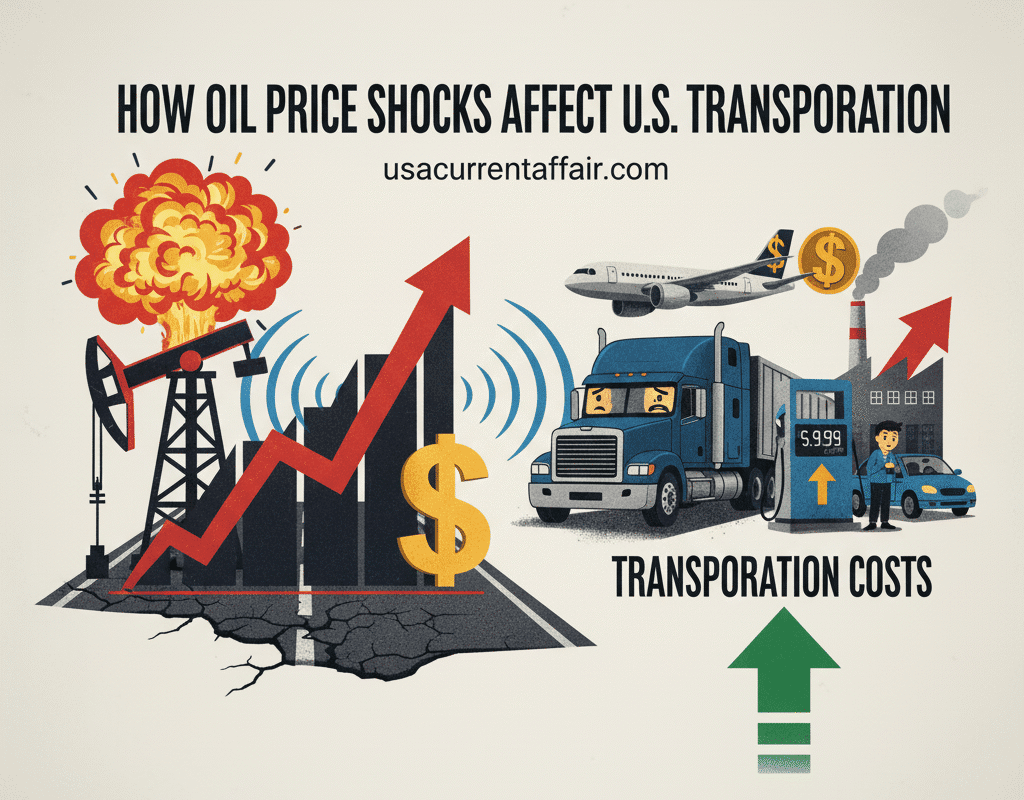
How Oil Price Shocks Impact U.S. Transportation Costs?
How Oil Price Shocks Impact U.S. Transportation Costs?
The transportation industry in the United States, which includes everything from trucking, rail, and shipping to airlines and urban transportation, is the foundation of the country’s economy. Consumer prices, corporate operations, and the overall economy are all directly impacted.
Among the many variables influencing transportation costs, oil prices stand out as a primary driver. When oil price shocks occur—whether due to geopolitical conflicts, supply disruptions, or global demand shifts—they reverberate across the transportation sector, altering costs, operational decisions, and ultimately, the consumer’s wallet.
HSBC Cashback Credit Card 2025 – Benefits, Rewards & How to Apply?

Understanding Oil Price Shocks
An oil price shock refers to a sudden and significant change in the global price of crude oil. These shocks can be either upward or downward and are often caused by geopolitical tensions, natural disasters, OPEC decisions, or sudden changes in global demand.
The U.S., despite being one of the largest oil producers globally, remains sensitive to these price shocks because the domestic transportation system relies heavily on petroleum-based fuels. Gasoline, diesel, and jet fuel prices are all directly linked to the global oil market.
Direct Impact on Gasoline and Diesel Prices
Transportation costs in the U.S. are heavily influenced by gasoline and diesel prices. When oil prices rise, refiners pass increased costs down the supply chain, resulting in higher fuel prices at the pump. According to the U.S. Energy Information Administration (EIA), even a $10 per barrel increase in crude oil can push gasoline prices up by several cents per gallon almost immediately.
For the trucking industry, which depends on diesel fuel, oil price shocks can significantly impact operating costs. Diesel accounts for a large portion of a trucker’s expenses—up to 25-30% of total costs in some cases.
Airline Industry Vulnerabilities
The airline industry is another transportation sector acutely sensitive to oil price volatility. Jet fuel represents one of the highest operating costs for airlines, often exceeding 30% of total expenditures. When oil prices spike, airlines may respond by raising ticket prices, reducing the number of flights, or implementing fuel surcharges.
Historical examples illustrate the impact vividly. During the 2008 oil crisis, U.S. airlines faced soaring jet fuel costs, prompting widespread fare increases and route reductions. Similarly, the 2022 surge in crude prices following geopolitical tensions in Eastern Europe led to higher airfare, directly affecting both business and leisure travelers.
Impact on Shipping and Logistics Costs
Maritime shipping, crucial for international trade, is also heavily affected by oil price shocks. Container ships, bulk carriers, and tankers consume large amounts of fuel oil. Increased oil prices raise the cost of moving goods across oceans, which can translate into higher prices for imported and exported products.
Logistics companies managing warehouses, delivery fleets, and last-mile transport also face higher operational costs when fuel prices surge. These costs are often passed to consumers in the form of higher prices for goods, demonstrating the interconnectedness of energy prices and the overall economy.
Regional Differences in the U.S.
The impact of oil price shocks can vary regionally within the United States. Coastal regions reliant on imported goods may see sharper price increases in consumer products due to higher shipping costs. Inland regions, heavily dependent on trucking for freight transport, experience increased delivery charges that trickle down to retail and commercial customers. Urban centers with large commuter populations may see gasoline price spikes more acutely, affecting daily expenses for residents.
In conclusion: How Oil Price Shocks Impact U.S. Transportation Costs?
The impact of oil price shocks on transportation costs in the United States is significant and complex. From gasoline prices affecting commuters to jet fuel costs influencing airline fares, and shipping costs altering retail prices, the effects ripple throughout the economy. While companies employ hedging strategies, operational efficiency improvements, and alternative fuels to reduce vulnerability, the transportation sector remains closely tied to global oil markets.
Understanding this dynamic is crucial for policymakers, businesses, and consumers alike. Awareness of how oil price fluctuations translate into tangible transportation costs can help in planning budgets, business operations, and public policy measures to mitigate the economic impact of future oil price shocks.