 A K
A K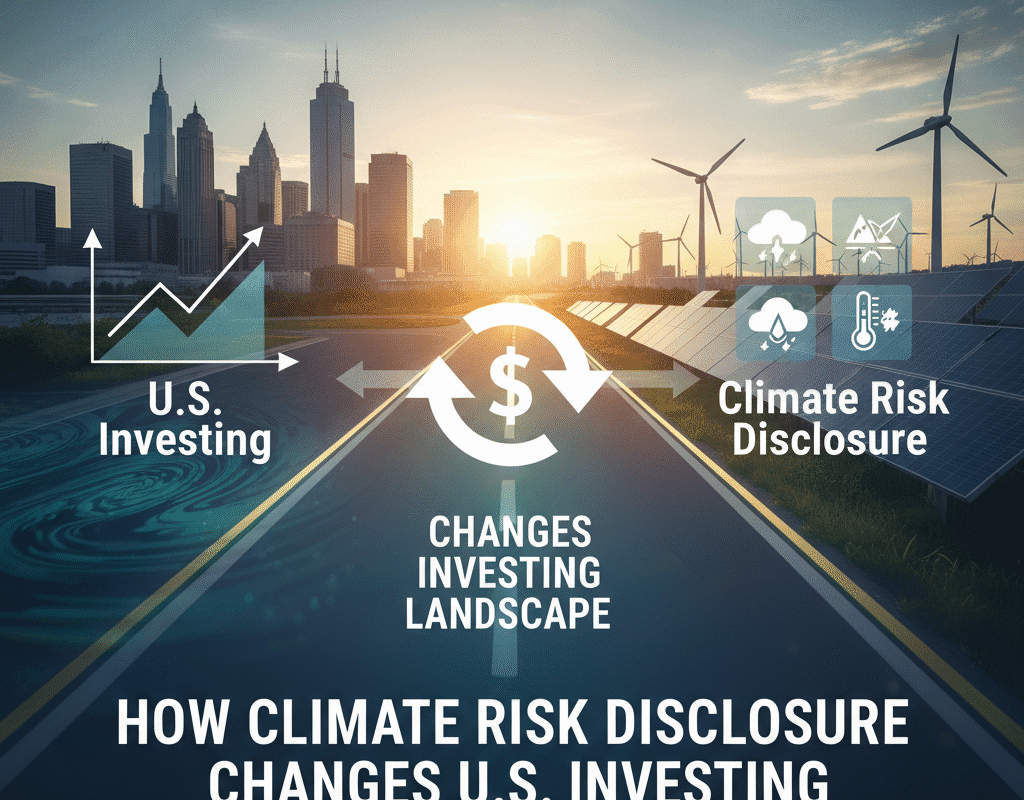
How Climate Risk Disclosure is Transforming?
How Climate Risk Disclosure is Transforming?
In recent years, climate risk disclosure has emerged as a pivotal factor in the U.S. financial landscape, fundamentally altering the way investors evaluate corporate performance and allocate capital. As climate change intensifies, the need for transparency around environmental risks has never been greater. Investors, regulators, and corporations are increasingly recognizing that climate-related financial risks can have profound implications for long-term profitability and market stability.
The U.S. Securities and Exchange Commission (SEC) has played a central role in pushing for standardized climate risk disclosure. Proposed rules aim to require publicly traded companies to report on climate-related risks, greenhouse gas emissions, and the financial impacts of these risks on their operations.
HSBC Cashback Credit Card 2025 – Benefits, Rewards & How to Apply?

The Rise of ESG Investing in the U.S.
Over the past ten years, investments in environmental, social, and governance (ESG) have increased significantly. As investors look to match their portfolios with sustainability objectives, ESG funds now make up a sizeable share of the U.S. investing market. An essential component of ESG investment is climate risk disclosure, which gives investors insight into how businesses are controlling environmental risks and lowering carbon footprints.
According to recent studies, companies with robust climate risk management strategies often exhibit stronger long-term financial performance. Investors are increasingly favoring firms that demonstrate transparency in reporting climate-related risks, from regulatory changes to extreme weather events.
SEC Rules and Disclosure of Climate Risk
A significant change in U.S. financial regulation is represented by the SEC’s proposed climate disclosure standards. The rules are designed to standardize how companies report climate risks, making information more comparable and reliable for investors. Key components include mandatory disclosure of:
- Direct and indirect greenhouse gas emissions
- Climate-related financial impacts on revenue and expenses
- Governance processes for managing climate risks
- Scenario analyses for potential future climate impacts
These disclosures aim to provide investors with a clearer picture of how companies are preparing for climate-related challenges. They also promote accountability by encouraging companies to integrate climate risk management into strategic planning.
Challenges in Climate Risk Reporting
Despite growing adoption, climate risk disclosure faces several challenges. One major obstacle is the lack of standardized metrics across industries, making comparisons difficult. Additionally, some companies may resist full transparency due to concerns about revealing vulnerabilities or competitive information.
Another challenge is the uncertainty inherent in climate projections. Extreme weather events, regulatory changes, and evolving public sentiment can introduce unpredictability in financial outcomes. Investors must navigate these uncertainties while relying on disclosed information that is increasingly complex and technical.
The Role of Technology in Climate Risk Assessment
Technology is playing a crucial role in enabling climate risk disclosure. Advanced analytics, AI, and data modeling help companies quantify risks and assess potential financial impacts. Satellite monitoring, climate modeling software, and ESG databases provide investors with actionable insights to make informed decisions.
These technological tools enhance accuracy, reduce reporting errors, and allow for more detailed scenario planning. They also empower smaller companies to participate in climate risk disclosure initiatives, leveling the playing field and contributing to broader market transparency.
Global Context and Comparisons
While the U.S. is strengthening its regulatory framework, other countries have already implemented stringent climate risk disclosure requirements. The European Union, for example, mandates comprehensive ESG reporting under the Corporate Sustainability Reporting Directive (CSRD). Comparisons with global standards highlight the potential benefits of harmonized reporting, which can facilitate cross-border investment and reduce information asymmetry.
U.S. investors are increasingly considering international disclosures when making decisions, reflecting the interconnected nature of global markets and climate risks. Companies that align with international standards are likely to attract more investment and gain a competitive advantage.
Conclusion: How Climate Risk Disclosure is Transforming?
Climate risk disclosure is transforming U.S. investing by making environmental risks a central consideration in financial decision-making. From enhancing corporate transparency to guiding investment strategies, the implications of these disclosures are far-reaching. As the SEC moves forward with standardized rules, and investors demand greater accountability, companies that proactively embrace climate risk reporting are likely to thrive in a rapidly changing financial landscape.
In a world where climate change is no longer a distant concern but a present-day financial reality, transparency and foresight are key. For U.S. investors, climate risk disclosure is not just a regulatory requirement—it is an essential tool for safeguarding long-term value and fostering sustainable growth.
Why U.S. Home Affordability Hits Record Lows: The Crisis Explained
Why U.S. Home Affordability Hits Record Lows: The Crisis Explained