 A K
A K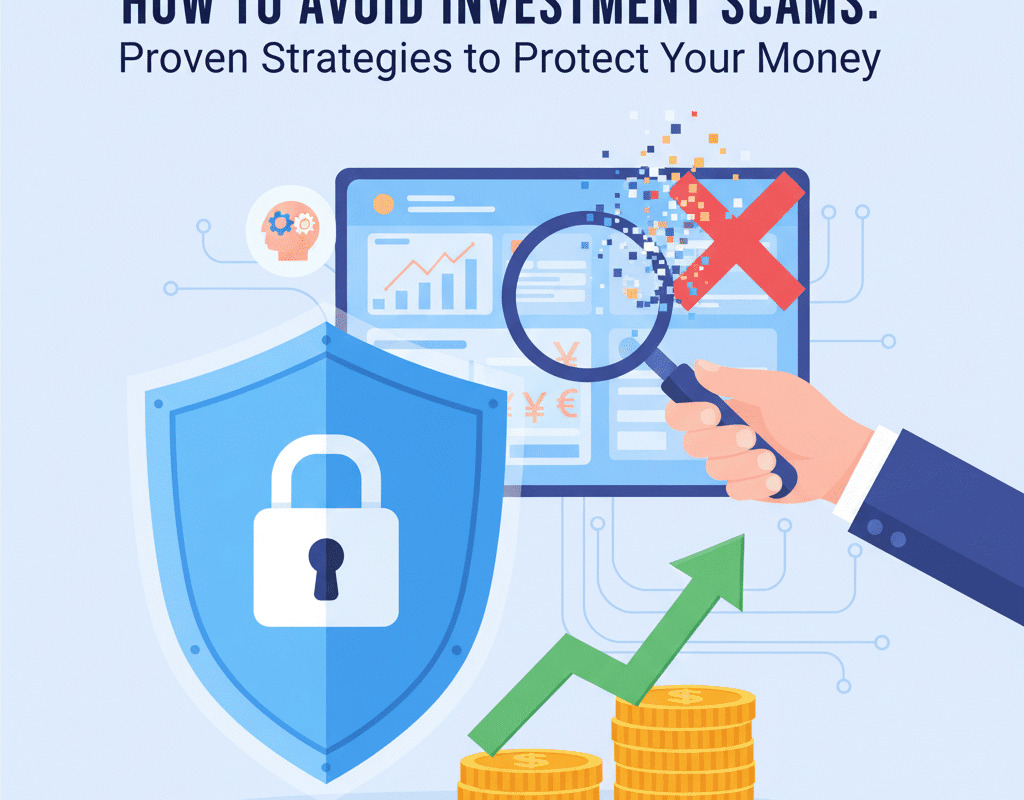
How to Avoid Investment Scams:
How to Avoid Investment Scams:
In today’s fast-moving digital economy, investment opportunities seem to appear everywhere—emails, social media ads, phone calls, even through people we know personally. While some opportunities are genuine, many are carefully designed traps meant to steal your money. Investment scams have become more sophisticated, leaving millions of Americans vulnerable. According to the Federal Trade Commission (FTC), investment fraud is one of the fastest-growing categories of financial scams, costing consumers billions each year.
This article will guide you through the different types of investment scams, the warning signs you should never ignore, and proven strategies to protect your hard-earned money.
HSBC Cashback Credit Card 2025 – Benefits, Rewards & How to Apply?

The Rise of Investment Scams in the Digital Age
Investment scams are not new, but technology has made them easier to execute. Fraudsters can create fake websites, impersonate legitimate financial professionals, and spread false promises with just a few clicks. Social media platforms have become hotspots for fake investment opportunities, where scammers exploit trending topics like cryptocurrency, real estate, and stocks.
In 2024, the FBI’s Internet Crime Complaint Center (IC3) reported record-breaking losses from investment fraud, with victims losing billions in cryptocurrency alone. Many scams are international, making it harder for law enforcement to track down perpetrators. This makes it crucial for individuals to recognize scams before falling victim.
Common Types of Investment Scams
Understanding the different types of scams is the first step in protecting yourself. Here are the most common forms of investment fraud:
Ponzi Schemes
Named after Charles Ponzi, these schemes promise high returns with little or no risk. In reality, scammers use money from new investors to pay earlier investors. Eventually, the scheme collapses when there are not enough new participants to sustain payouts.
Pyramid Schemes
Similar to Ponzi schemes, pyramid scams rely on recruiting new members who pay to join. Each level funds the one above it. Once recruitment slows, the scheme collapses, leaving the majority of participants with losses.
Scams that use pump-and-dump
Scammers promote a low-value stock with exaggerated claims, driving up its price (“pump”). Once the price rises, they sell their shares (“dump”), leaving investors with worthless stock.
Cryptocurrency Scams
Fraudsters use the hype around digital currencies to lure victims. These scams include fake coin offerings, fraudulent trading platforms, and “guaranteed” high-return crypto investments.
Affinity Fraud
Scammers target specific groups—religious communities, professional organizations, or cultural groups—where trust runs high. Victims often invest because someone they know vouches for the scheme.
High-Yield Investment Programs (HYIPs)
These online scams promise extremely high returns in a short period, often claiming to use “secret strategies” or “exclusive trading algorithms.”
Real Estate Investment Fraud
Fraudsters promote fake property deals, investment trusts, or timeshare opportunities. Victims invest in developments that don’t exist or properties that are grossly misrepresented.
Social Media Investment Traps
Scammers use influencers, fake testimonials, and manipulated images of celebrities to promote fraudulent investments. Victims believe the endorsements are real and lose money.
Red Flags That Signal an Investment Scam
If you are aware of the warning indicators, it will be easier to identify scammers because they frequently employ the same techniques. Keep an eye out for these typical warning signs:
- High profits with little to no risk are assured. Profits are never guaranteed by a legitimate investment.
- In order to stop you from conducting research, scammers put pressure on you to act fast.
- Unregistered investment products: Regulatory monitoring is frequently absent from scams.
- Complex or covert tactics: It’s a warning sign if someone is unable to provide a clear explanation of how an investment operates.
- Absence of appropriate documentation: Fraud is indicated by missing contracts, ambiguous clauses, or phony documents.
- Uninvited proposals Watch out for “opportunities” that appear out of the blue through calls, texts, or emails.
- Withdrawal difficulties: When you are unable to access your own funds, this is a serious warning sign.
How to Protect Yourself From Investment Scams
Avoiding scams requires both skepticism and knowledge. Here are proven strategies to safeguard your money:
Do Thorough Research
Always investigate the company, individual, or platform offering the investment. Look for official registrations with agencies such as the Securities and Exchange Commission (SEC) or the Financial Industry Regulatory Authority (FINRA).
Verify Credentials
Check whether the investment professional is licensed. You can search their background and disciplinary history using FINRA’s BrokerCheck or the SEC’s Investment Adviser Public Disclosure database.
Understand the Investment
Never invest in something you don’t understand. If the explanation is filled with jargon or secrecy, consider it a warning sign.
Check for Registration
Legitimate securities must be registered. If someone claims an exemption from registration, ask questions and consult a trusted financial advisor.
Don’t Fall for Pressure Tactics
Take your time to make decisions. Scammers hate delays because it gives you time to discover their fraud.
Be Skeptical of Unsolicited Offers
Whether it’s a cold call, an email, or a social media message, treat unsolicited investment opportunities with extreme caution.
Watch Out for Unrealistic Returns
High returns with zero risk do not exist. If it sounds too good to be true, it probably is.
Guard Personal Information
Scammers often ask for sensitive data such as Social Security numbers or banking details. Never share this without verifying legitimacy.
Consult a Trusted Advisor
Before investing, discuss the opportunity with a licensed financial advisor or an attorney. A second opinion can save you thousands.
Report Suspected Scams
If you suspect a scam, report it to the FTC, SEC, or your state securities regulator. Quick reporting helps protect others.
Real-Life Stories: Victims of Investment Scams
Hearing real cases can help highlight how convincing scams can be:
Case 1: The Cryptocurrency Mirage
A retiree invested $100,000 in a crypto platform promising 50% monthly returns. Initially, small withdrawals were possible, but eventually the platform disappeared, along with all investor funds.
Case 2: The Affinity Trap
A church community pooled money into what they believed was a real estate project recommended by a trusted member. It turned out to be a pyramid scheme, leaving dozens financially devastated.
Case 3: The Social Media Hype
A young investor followed an influencer’s recommendation on a “guaranteed stock pick.” The stock was part of a pump-and-dump scheme, and the investor lost thousands.
Regulatory and Government Activities
The following U.S. agencies are involved in the fight against investment fraud:
- Fraudulent practices are investigated and prosecuted by the Federal Trade Commission (FTC).
- Securities and Exchange Commission (SEC): Regulates securities markets and protects investors.
- Financial Industry Regulatory Authority (FINRA): Oversees brokerage firms and professionals.
- Federal Bureau of Investigation (FBI): Pursues large-scale financial fraud cases.
- Despite these efforts, scams remain widespread. Personal vigilance is still the best defense.
Final Thoughts: Staying Safe in a Risky World
Investment scams are not going away—they are evolving. But with knowledge, skepticism, and the right protective steps, you can keep your money safe. Always research thoroughly, verify credentials, and never rush into financial decisions. Remember, legitimate opportunities will withstand scrutiny and time, while scams rely on urgency and secrecy.
Protecting your financial future requires vigilance, but the reward is peace of mind and long-term security.
Car Insurance Basics Every Driver Must Know in 2025 – Complete Guide
Car Insurance Basics Every Driver Must Know in 2025 – Complete Guide