 A K
A K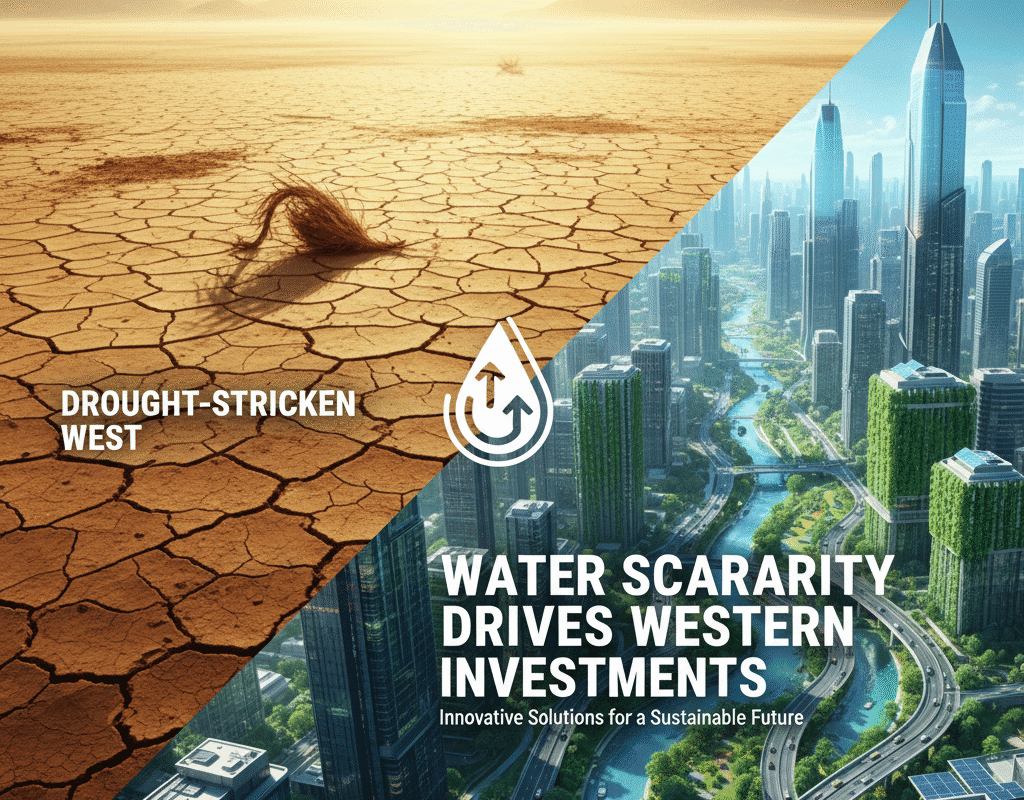
Why Water Scarcity Will Drive Western-State Investments?
Why Water Scarcity Will Drive Western-State Investments?
Water scarcity is no longer a distant environmental concern—it is rapidly becoming one of the defining challenges of the Western United States. From California to Arizona, Nevada to Colorado, prolonged droughts, rising temperatures, and overextended water systems are prompting urgent responses from governments, businesses, and investors alike. As water resources tighten, the pressure to secure sustainable water supplies is driving a surge in investment across infrastructure, technology, and policy innovation.
HSBC Cashback Credit Card 2025 – Benefits, Rewards & How to Apply?

The West’s Growing Water Crisis
Western states have long faced water challenges due to their arid climates, but climate change is intensifying these pressures. According to recent studies, many regions in the Southwest have experienced record-low rainfall over the past two decades, resulting in diminished river flows, depleted reservoirs, and stressed groundwater reserves. The Colorado River, a lifeline for millions of people and agricultural lands, has seen unprecedented reductions in water levels, sparking concerns over long-term water security.
The implications of this water scarcity are far-reaching. Agriculture, which consumes the majority of water in Western states, faces mounting risks. Urban centers, already grappling with population growth, are competing with farms for limited water supplies.
Water Infrastructure Investment Prospects
Investing in water infrastructure has become crucial as a result of these difficulties. The governments of Western states are spending billions of dollars to upgrade water treatment plants, increase reservoirs, and fix outdated pipelines. The financial potential of these public and private initiatives is being recognized by investors.
Advanced water infrastructure projects offer both environmental and economic benefits. Upgrading irrigation systems, for example, can dramatically reduce water waste in agriculture while increasing crop yields. Cities are investing in smart water grids that use sensors and data analytics to detect leaks and optimize usage. These projects not only address immediate water scarcity but also create long-term investment opportunities for those willing to fund innovative solutions.
Technology and Innovation as Investment Drivers
Beyond physical infrastructure, technology is emerging as a critical area for investment. Water conservation technology—including smart irrigation, desalination, and wastewater recycling—has attracted the attention of venture capitalists and private equity firms.
Smart irrigation systems, which use real-time data to optimize watering schedules, can save billions of gallons of water annually while boosting agricultural productivity. Desalination projects, while traditionally expensive, are becoming more cost-effective due to technological advancements. Similarly, wastewater recycling initiatives, which convert treated sewage into usable water, are gaining traction in both municipal and industrial applications.
Drought-Resistant Agriculture and Food Security
Agriculture, which accounts for nearly 80% of water use in the West, is at the forefront of investment opportunities driven by water scarcity. Farmers are adopting drought-resistant crops and precision agriculture techniques to reduce water consumption while maintaining productivity. These innovations attract investment in both technology and farmland management.
Precision agriculture involves the use of sensors, drones, and satellite imagery to monitor soil moisture, optimize irrigation, and manage crops efficiently. By integrating data analytics, farmers can reduce water use by 20-30% while maintaining yields, creating a compelling case for investment in agri-tech solutions.
The Role of Public-Private Partnerships
Public-private partnerships (PPPs) are becoming essential in addressing water scarcity. Governments often lack the capital or technical expertise to fully modernize water systems, making collaboration with private investors crucial.
PPP projects include dam rehabilitation, wastewater treatment expansion, and smart water grid development. These initiatives allow investors to participate in long-term revenue streams while supporting critical infrastructure that benefits communities and ecosystems. By aligning public needs with private capital, Western states can accelerate water resilience efforts and attract investment that might otherwise bypass the sector.
Smart Cities and Urban Planning
Water scarcity is reshaping urban planning across the Western U.S. Cities are increasingly incorporating water-efficient designs into new developments, from green roofs to rainwater harvesting systems. Smart city initiatives integrate real-time water monitoring with energy management, further enhancing sustainability and investment potential.
For example, municipalities are investing in AI-driven water management platforms that optimize consumption patterns and reduce strain on municipal supplies. These innovations not only address immediate scarcity but also position cities to attract businesses and residents who prioritize sustainability.
Conclusion: Why Water Scarcity Will Drive Western-State Investments?
Water scarcity is transforming the investment landscape across the Western United States. Droughts, population growth, and climate change are creating unprecedented challenges—but they are also opening doors for innovation and investment. Governments, private investors, and communities are coming together to develop infrastructure, technology, and policy solutions that address the water crisis.