 A K
A K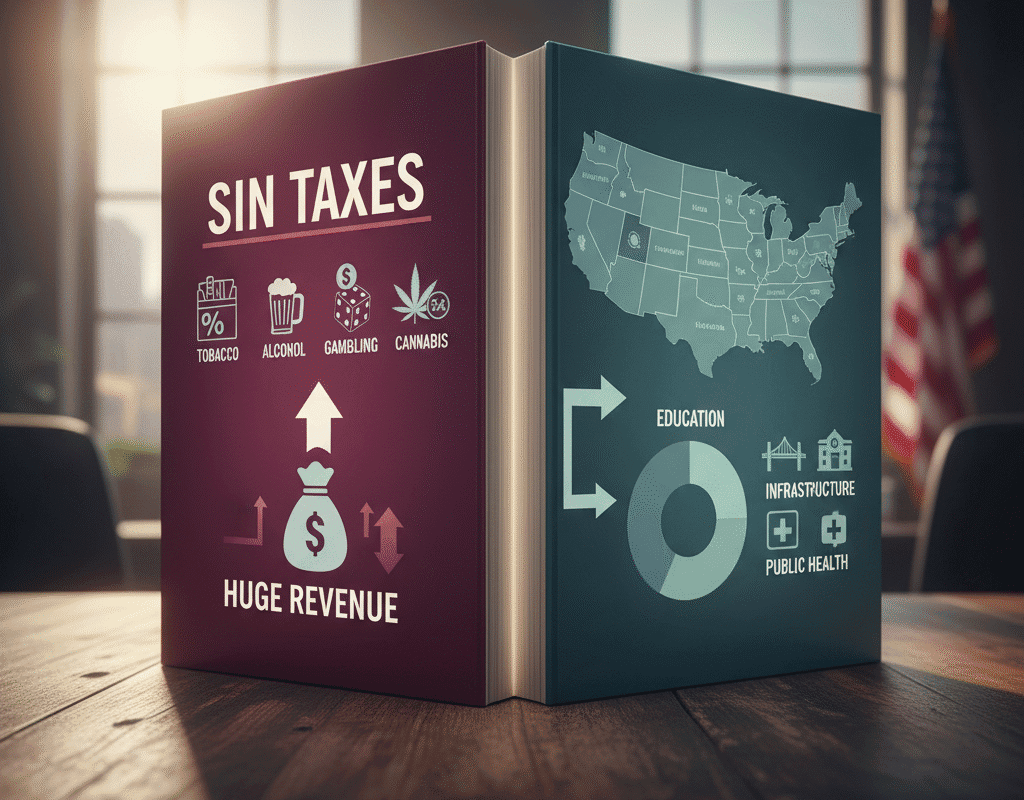
Why Some U.S. States Rely Heavily on Sin Taxes?
Why Some U.S. States Rely Heavily on Sin Taxes?
In the United States, taxation is an essential tool for funding public services and programs. While income taxes and sales taxes are the most well-known revenue sources, many states rely heavily on a different form of taxation known as “sin taxes.” These taxes are levied on products or activities considered harmful to individuals or society, such as alcohol, tobacco, and gambling. The reliance on sin taxes varies widely among states, reflecting economic strategies, political considerations, and public health policies.
HSBC Cashback Credit Card 2025 – Benefits, Rewards & How to Apply?

Comprehending Sin Taxes
Excise taxes, sometimes known as sin taxes, are levied on products and services that governments consider harmful or undesirable. These levies’ main objectives are to deter the use of dangerous goods and to raise money for state budgets. Sin taxes continue to be a major source of income for a number of U.S. states, despite disagreements on their efficacy in lowering consumption.
In the past, sin taxes first appeared in the early 20th century, especially during the Prohibition era when alcohol was substantially taxed before being completely outlawed. Tobacco, gambling, sugar-filled beverages, and even marijuana in jurisdictions where it is legal have all been subject to similar taxes over time.
Economic Motivation Behind Sin Taxes
The economic rationale for sin taxes is clear: they generate substantial revenue without directly taxing the average worker’s income. For example, states like West Virginia, Louisiana, and Nevada derive a significant portion of their budgets from alcohol, tobacco, and gambling taxes. This strategy can be especially appealing for states with lower income tax revenue or smaller populations, as it allows governments to fund essential programs without raising taxes on residents’ wages.
According to the Tax Foundation, excise taxes on alcohol and tobacco can contribute millions of dollars annually to state coffers. In some cases, sin taxes can account for 5-10% or more of a state’s total revenue, making them a crucial fiscal tool.
Behavioral Economics and Public Health
Sin taxes are a tool for public health in addition to generating income. States seek to curb consumption and deter bad habits by raising the price of alcohol, cigarettes, or gambling. This is commonly referred to by economists as “behavioral taxation,” in which the pricing mechanism encourages individuals to make better decisions.
Higher cigarette costs have been linked to lower smoking rates, especially among young adults, according to research. In a similar vein, lower rates of binge drinking and alcohol-related road accidents have been associated with higher alcohol taxes. In states heavily reliant on sin taxes, public health campaigns often accompany taxation policies, creating a dual impact: raising funds while encouraging healthier behaviors.
Dependency of the State on Sin Taxes
Not all states rely on sin taxes equally. Some, like Nevada and Louisiana, are notable for their heavy dependence on gambling and alcohol taxes. Nevada’s gaming industry alone generates billions of dollars annually, much of which is taxed to support public services. Louisiana, on the other hand, uses high alcohol and tobacco taxes to supplement its state budget, which is constrained by relatively low property taxes and moderate income taxes.
In contrast, states like California and New York, which have larger economies and higher income taxes, rely less on sin taxes as a proportion of total revenue. The reliance on sin taxes is often a reflection of economic structure, demographic trends, and political philosophy.
Social and Ethical Considerations
While sin taxes are effective revenue tools, they also raise ethical questions. Critics argue that these taxes are regressive, disproportionately affecting lower-income individuals who spend a larger share of their income on taxed goods. For example, a pack of cigarettes or a bottle of alcohol represents a higher percentage of a low-income household’s budget compared to wealthier households.
Moreover, heavy reliance on sin taxes can create conflicts of interest. Governments may benefit financially from behaviors they otherwise aim to discourage, such as smoking or gambling. This can lead to tensions between public health objectives and fiscal priorities. Ethical debates surrounding sin taxes often focus on whether states are prioritizing revenue over the well-being of residents.
The Role of Earmarked Funds
One way states address ethical concerns is through earmarking sin tax revenue for social programs. Many states dedicate funds from tobacco taxes to healthcare programs, smoking cessation initiatives, and public education. Alcohol tax revenue often supports law enforcement, addiction treatment, and traffic safety programs.
For instance, West Virginia allocates a portion of its sin tax revenue to fund Medicaid, public health programs, and substance abuse treatment centers. This approach not only offsets some of the regressive effects but also aligns revenue generation with the broader goal of mitigating harm from the taxed activities.
Future Trends and Challenges
The future of sin taxes in the U.S. is uncertain. On one hand, states continue to see them as practical revenue sources. On the other, declining smoking rates, increasing regulation of alcohol, and changing attitudes toward gambling and marijuana challenge long-term sustainability.
States are exploring innovative approaches, such as taxing sugary beverages, vaping products, and recreational marijuana. These “new sin taxes” aim to balance public health goals with fiscal needs, reflecting evolving societal values and consumption patterns.
Another challenge is public perception. Citizens may resist high sin taxes if they perceive them as punitive or unfair. Effective communication about the use of revenue for social programs can mitigate backlash and enhance policy acceptance.
In conclusion: Why Some U.S. States Rely Heavily on Sin Taxes?
Sin taxes are a complex but vital part of state fiscal policy in the United States. They serve as a revenue tool, a public health measure, and a political instrument. States with limited income tax bases or specific economic structures often rely more heavily on these taxes to fund essential programs. However, this reliance raises ethical, social, and economic considerations that policymakers must carefully balance.
As U.S. states continue to navigate budget challenges, the role of sin taxes will remain a contentious and important aspect of governance. Understanding why certain states lean on these taxes offers insight into the delicate interplay between public finance, social responsibility, and economic strategy.
Why Some Americans Don’t Qualify for Medicaid — Understanding the Gaps and Barriers
Why Some Americans Don’t Qualify for Medicaid — Understanding the Gaps and Barriers