 A K
A K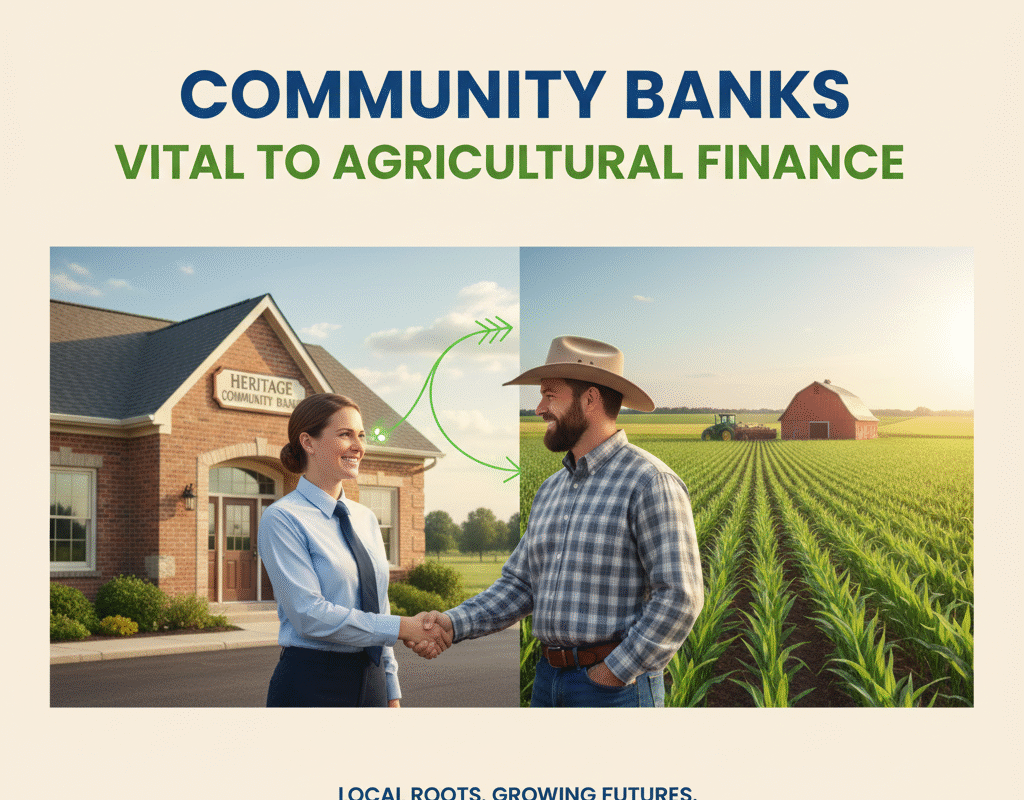
Why Community Banks Remain the Backbone of America?
Why Community Banks Remain the Backbone of America?
Agriculture remains the backbone of the United States economy, supporting millions of jobs and contributing hundreds of billions of dollars to GDP. Despite technological advances, global trade shifts, and sweeping changes in financial markets, American farmers cannot operate without stable, reliable access to credit.
While national banks and global financial institutions dominate urban and commercial markets, it is community banks—the small, locally owned, relationship-oriented lenders—that continue to lead agricultural finance across rural America.
HSBC Cashback Credit Card 2025 – Benefits, Rewards & How to Apply?

Community Banks Are the Primary Source of Credit for Farmers
One of the main reasons community banks matter so deeply to agriculture is simple: they lend to farmers more than any other type of financial institution.
Despite accounting for a minority of U.S. banking assets, community banks hold a significant portion of the total agricultural loan volume. Their portfolios often include a high concentration of farm real estate loans, equipment loans, and operating lines of credit that national banks tend to overlook or avoid due to higher perceived risk or lower profitability.
Farm lending is relationship-heavy, seasonal, and sensitive to weather, commodity markets, and unpredictable global supply chains.
In agriculture, relationship banking is still crucial.
Weather disasters, shifting commodity prices, labor shortages, and growing input costs are just a few of the unpredictable factors that make agriculture a high-risk industry. The quality of their connection with lenders is just as important to farmers’ stability as the availability of financing.
- The lender of a farmer is frequently a long-term collaborator.
The local banker has dealt with several generations of the same agricultural family in many rural areas. These enduring connections foster stability and trust, both of which are critical for making decisions during uncertain times.
- Risk is decreased by local knowledge
Community banks have an advantage over national banks due to their knowledge of local crop trends, irrigation systems, drought situations, land values, and livestock markets. Their knowledge helps farmers steer clear of financial hazards and improves credit selections.
Local Banks Boost Food Security in the United States
The country’s food supply is directly impacted by farmers’ financial stability.
Without trustworthy credit:
- Many small and medium-sized farms would close because it would be difficult for farmers to buy cattle, equipment, fertilizer, and seeds.
- Local food systems would fail.
- The United States would depend more on goods from overseas
Community banks contribute to national food security, stable grocery prices, and protection against supply chain disruptions by guaranteeing farmers have access to financing.
Technology Adoption: Community Banks Are Evolving to Meet Modern Needs
Though community banks are known for traditional relationship banking, they are rapidly adopting new technologies to remain competitive and better serve agricultural clients.
These modern tools include:
- Digital loan applications
- Online and mobile banking
- Remote deposit services for rural areas
- Automated payment systems
- Real-time data tools to assist farmers with financial planning
This combination of high-tech convenience and high-touch customer service makes community banks uniquely capable of supporting modern agriculture.
In conclusion: Why Community Banks Remain the Backbone of America?
Community banks are the backbone of America’s agriculture industry, supporting everything from small agribusinesses to family farms. These organizations offer farmers more than simply loans; they also provide trust, local expertise, customized loan arrangements, and long-term assistance that is unavailable elsewhere.
The significance of community banks will only increase as the agriculture sector deals with issues related to climate change, shifting global markets, and generational shifts. For rural communities as well as the nation’s overall food security and economic stability, it is crucial to safeguard and bolster these regional banking institutions.
Why U.S. States Fiercely Compete for Federal Transportation Grants in 2025
Why U.S. States Fiercely Compete for Federal Transportation Grants in 2025