 A K
A K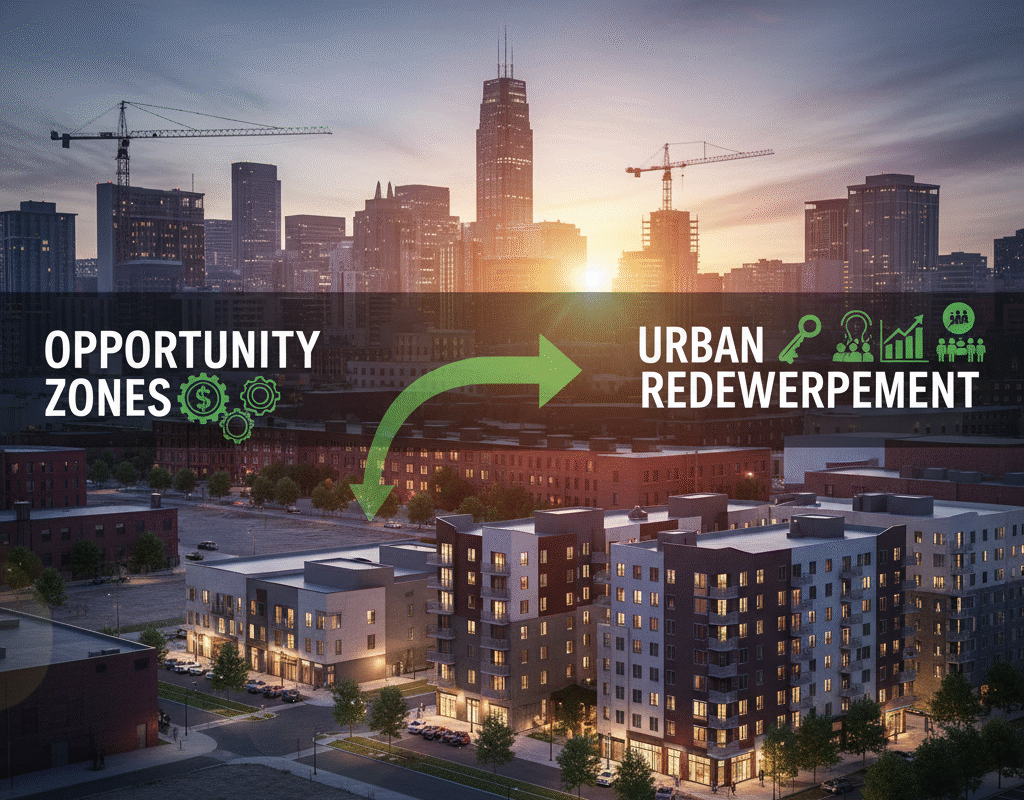
The Role of Opportunity Zones in Urban Redevelopment
The Role of Opportunity Zones in Urban Redevelopment
Urban redevelopment has always been a crucial part of city planning and economic growth in the United States. Cities across the nation face challenges like aging infrastructure, declining neighborhoods, and limited investment opportunities. In recent years, opportunity zones have emerged as a key tool to address these issues, providing incentives for investors to fund projects in underdeveloped areas. By combining tax benefits with strategic urban planning, opportunity zones aim to revitalize neighborhoods, create jobs, and stimulate sustainable economic growth.
HSBC Cashback Credit Card 2025 – Benefits, Rewards & How to Apply?

Comprehending Opportunity Zones
Opportunity zones were established under the Tax Cuts and Jobs Act of 2017, designed to encourage long-term investment in low-income communities. These zones provide significant tax incentives to investors who channel capital gains into designated areas, with the goal of stimulating economic activity in communities that have historically been overlooked.
The primary benefit for investors is the ability to defer or reduce capital gains taxes by investing in qualified opportunity funds, which then invest in real estate, businesses, or infrastructure projects within these zones. For communities, the inflow of investment promises new jobs, improved infrastructure, and renewed economic vitality.
The Mechanics of Opportunity Zones
Opportunity zones function through qualified opportunity funds (QOFs). Investors can roll over capital gains from other investments into a QOF, allowing them to defer taxes on those gains until 2026. Additionally, if the investment is held for ten years, investors can potentially pay no taxes on appreciation of the QOF investment itself.
This tax structure is designed to promote long-term investments, discouraging short-term speculation. For urban redevelopment, this is crucial because revitalizing neighborhoods often requires sustained effort over years, not months.
Obstacles and Reactions
Opportunity zones are not without difficulties and complaints, despite their potential. Some experts contend that in the absence of adequate management, these zones may result in gentrification, uprooting local enterprises and long-term inhabitants. There is also concern that investment may flow toward areas with high potential for profit rather than those with the greatest social need.
Additionally, measuring the true impact of opportunity zones on community development remains complex. While capital investment is easy to quantify, assessing social benefits like reduced poverty, improved health outcomes, or stronger community networks requires careful study.
Opportunity Zones’ Future
Opportunity zones in urban regeneration will depend on a number of elements in the future:
- Policy Adjustments: In order to guarantee that investments help locals rather than just maximize profits, federal and local governments may improve regulations.
- Community Partnerships: Involving locals, nonprofits, and organizations in the planning process will be essential to fair development.
- Measuring Impact: Opportunity zones will be able to deliver on their promise of sustainable economic growth with the support of improved reporting and accountability.
- Innovation in Infrastructure and Real Estate: Innovative approaches to public facilities, housing, and transportation will determine how well opportunity zones alter urban environments.
In conclusion: The Role of Opportunity Zones in Urban Redevelopment
Opportunity zones represent a powerful tool in the arsenal of urban redevelopment strategies. By offering targeted tax incentives to investors, these zones encourage capital flow into communities that need it most, fostering economic growth, job creation, and neighborhood revitalization.
While challenges remain, particularly around equitable development and preventing displacement, the potential benefits are significant. Cities across the United States can harness the power of opportunity zones to rebuild thriving communities, ensuring that urban redevelopment is both economically and socially sustainable.
As policymakers, investors, and community leaders continue to collaborate, opportunity zones are likely to play an increasingly vital role in shaping the future of urban America.
Why U.S. Productivity Growth Lags Behind Other Nations: Causes, Trends, and Solutions
Why U.S. Productivity Growth Lags Behind Other Nations: Causes, Trends, and Solutions