 A K
A K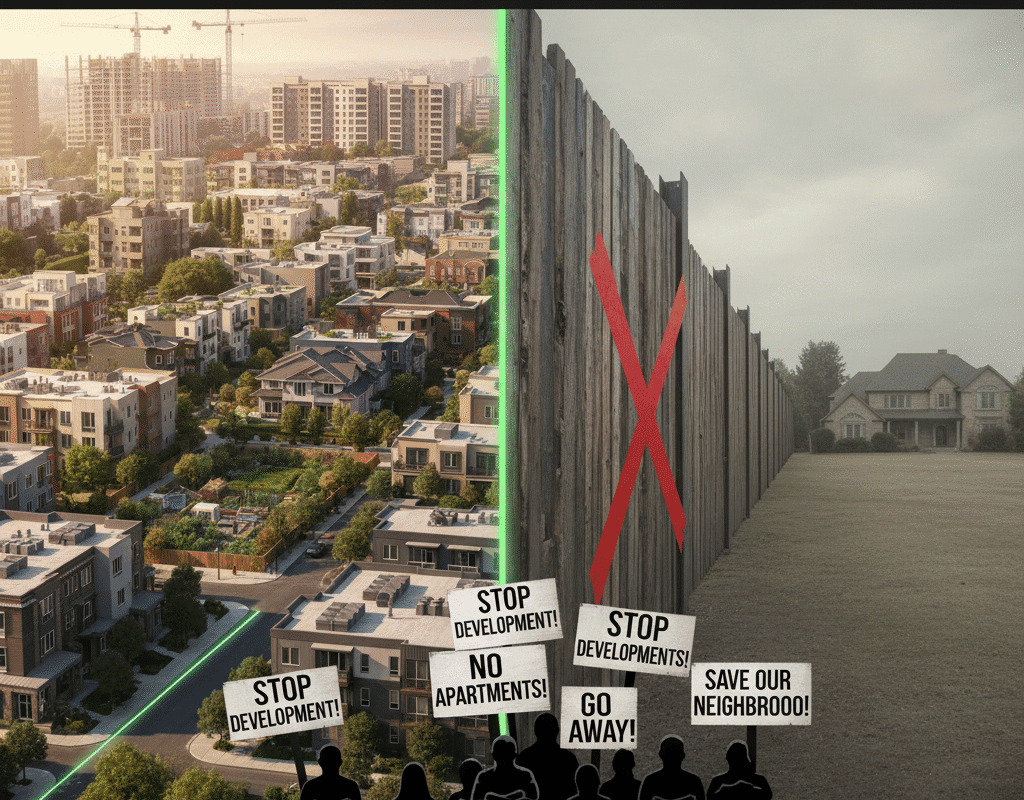
The Role of NIMBYism in the U.S. Housing Supply Crisis
The Role of NIMBYism in the U.S. Housing Supply Crisis
The housing crisis that the United States is currently experiencing is characterized by rapidly rising home prices, a shortage of affordable housing, and fierce competition for rental homes. The role of NIMBYism, or “Not In My Back Yard,” is crucial to comprehending this crisis. Although the idea might appear straightforward at first, it has a significant, complex impact on the housing supply in the United States and is frequently disregarded in national discussions on housing policy.
HSBC Cashback Credit Card 2025 – Benefits, Rewards & How to Apply?

Comprehending NIMBYism
The term “NIMBYism” describes locals’ opposition to the construction of particular projects in their communities. Although the phrase was once used to describe garbage facilities, industrial projects, and other infrastructure, it is now more frequently linked to home construction. For a number of reasons, including worries about increasing traffic, shifting neighborhood character, falling property prices, and perceived risks to nearby schools or amenities, residents may be against the construction of new housing.
Widespread NIMBY opposition can have unexpected effects on the larger housing market, especially in high-demand urban regions where space is scarce and housing requirements are urgent, even though neighbors’ worries are frequently legitimate on a personal level.
Reasons for NIMBYism in Housing
NIMBY sentiments are influenced by a number of issues in the United States, such as:
- Property Value Concerns: Homeowners often fear that new development, particularly high-density or affordable housing, will decrease their property values. This economic incentive is one of the strongest motivators for local opposition.
- Community Identity and Culture: Residents may resist change to preserve the character, architecture, or “feel” of a neighborhood, valuing tradition over growth.
- Zoning and Land-Use Regulations: Many NIMBY attitudes are embedded in local zoning laws, which restrict the types, sizes, and densities of housing that can be built.
- Political Mobilization: Local opposition is often organized through neighborhood associations or local government boards, allowing small groups of residents to wield disproportionate influence over development decisions.
Case Studies: NIMBYism in Action
- San Francisco, California: Known for sky-high housing costs, San Francisco has faced persistent NIMBY opposition to high-density developments. Local opposition has slowed construction, contributing to a severe housing shortage that drives up rental prices.
- Seattle, Washington: Even as demand for housing surged, neighborhoods resisted the construction of multi-family units. The city has since implemented policies to encourage denser housing, but NIMBY resistance remains a significant barrier.
- Boston, Massachusetts: Boston’s suburban communities often block new housing developments citing “preservation of neighborhood character,” limiting the city’s ability to meet housing demand for a growing population.
These examples highlight how localized opposition can shape the housing market, even in cities experiencing severe housing shortages.
Economic and Social Impacts of NIMBYism
The consequences of NIMBYism extend beyond the simple refusal to build more housing:
- Escalating Costs: Restricted supply leads to higher rents and home prices, affecting middle- and low-income families disproportionately.
- Increased Homelessness: With limited affordable options, more people are pushed into homelessness or precarious housing arrangements.
- Segregation: By blocking diverse or affordable developments, NIMBYism perpetuates racial and economic segregation, as low-income and minority populations are confined to certain neighborhoods.
- Reduced Economic Mobility: High housing costs can prevent workers from moving closer to job opportunities, limiting upward mobility and workforce flexibility.
Policy Reactions and Remedies
Local, state, and federal policymakers have tried a number of tactics to boost housing supply and combat NIMBY resistance:
- Financial incentives, such as tax rebates, subsidies, or density bonuses, encourage developers to construct market-rate, reasonably priced housing.
- Zoning Reform: Reducing stringent zoning regulations to permit mixed-use or higher-density housing complexes can boost supply while resolving local issues.
- Streamlined Approval Processes: Simplifying permitting and approval processes reduces delays caused by NIMBY opposition, encouraging faster construction timelines.
- Community Engagement: Educating residents about the benefits of new housing and involving them in planning can reduce opposition while preserving neighborhood character.
Conclusion: The Role of NIMBYism in the U.S. Housing Supply Crisis
NIMBYism plays a significant and often underestimated role in shaping the U.S. housing supply. While it reflects understandable local concerns, its broader economic and social consequences—rising housing costs, segregation, and limited access to affordable housing—pose challenges for cities and states across the country.
U.S. Inflation-Adjusted Wages Stagnate Despite Economic Growth: Causes, Impact, and What Comes Next
U.S. Inflation-Adjusted Wages Stagnate Despite Economic Growth: Causes, Impact, and What Comes Next