 A K
A K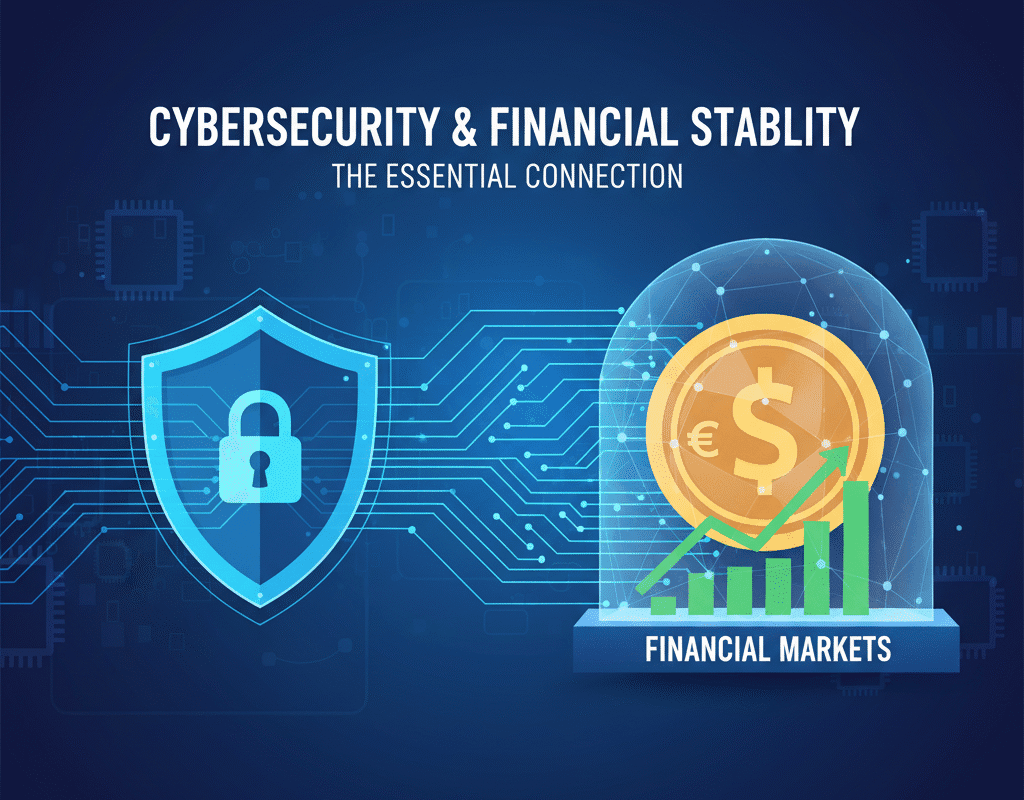
The Role of Cybersecurity in Ensuring Financial Stability
The Role of Cybersecurity in Ensuring Financial Stability
In today’s interconnected world, the financial sector is at the forefront of technological adoption, and with innovation comes vulnerability. Financial institutions increasingly rely on digital platforms for banking, investment, and payment systems.
While these platforms offer convenience and efficiency, they also expose institutions and the broader economy to cyber threats. The role of cybersecurity in maintaining financial stability has never been more critical, particularly in the USA, where the financial ecosystem is both vast and complex.
HSBC Cashback Credit Card 2025 – Benefits, Rewards & How to Apply?

Understanding Financial Stability
Financial stability refers to a condition where the financial system—including institutions, markets, and infrastructure—operates efficiently, allocates resources effectively, and withstands shocks. When financial stability is threatened, the consequences ripple through the economy, affecting consumer confidence, business investments, and overall economic growth.
Traditionally, risks to financial stability included market fluctuations, liquidity crises, and operational failures. However, the rise of digital finance has introduced new vulnerabilities. Cybersecurity breaches, ransomware attacks, and data theft have emerged as significant risks, capable of destabilizing even the most robust financial institutions.
Cybersecurity as a Pillar of Financial Stability
Cybersecurity serves as the backbone of modern financial stability. It protects financial institutions from operational disruptions, secures sensitive customer data, and ensures regulatory compliance. By mitigating risks, robust cybersecurity frameworks contribute directly to economic confidence and resilience.
- Protecting Financial Infrastructure
The financial sector depends heavily on digital infrastructure, from core banking systems to payment networks and stock exchanges. Cybersecurity safeguards these infrastructures against attacks that could disrupt essential services.
- Maintaining Investor and Consumer Confidence
Trust is a cornerstone of the financial system. If consumers or investors lose confidence in the security of banks or investment platforms, they may withdraw funds, reduce spending, or avoid investing altogether.
Cybersecurity as a Pillar of Financial Stability
Cybersecurity serves as the backbone of current financial stability. It protects financial institutions from operational disruptions, secures sensitive client data, and guarantees regulatory compliance. By minimizing risks, comprehensive cybersecurity frameworks contribute directly to economic confidence and resilience.
- Protecting Financial Infrastructure
The financial sector depends extensively on digital infrastructure, from core banking systems to payment networks and stock exchanges. Cybersecurity defends these infrastructures from attacks that could impair key services.
- Maintaining Investor and Consumer Confidence
Trust is a cornerstone of the financial system. If consumers or investors lose confidence in the security of banks or investment platforms, they may withdraw funds, reduce spending, or avoid investing altogether.
Strategies for Cyber Risk Management in Financial Institutions
To preserve financial stability, institutions must adopt comprehensive cyber risk management strategies. These include:
- Risk Assessment and Threat Intelligence: Regularly evaluating vulnerabilities and staying informed about emerging cyber threats.
- Advanced Security Technologies: Using firewalls, encryption, multi-factor authentication, and AI-driven threat detection.
- Employee Training and Awareness: Equipping staff with knowledge to recognize and respond to cyber threats.
- Incident Response Planning: Preparing contingency plans to quickly respond to and recover from attacks.
- Collaboration with Regulators and Industry Peers: Sharing threat intelligence and best practices to strengthen sector-wide defenses.
The Future of Cybersecurity in Financial Stability
The financial sector is moving rapidly, with emerging technologies such as artificial intelligence, blockchain, and cloud computing transforming operations. While these improvements bring efficiency and new services, they also introduce new cyber dangers.
To maintain financial stability, institutions must employ proactive cybersecurity policies, including:
- AI-powered threat detection and response systems.
- Blockchain-based safe transaction frameworks.
- Continuous monitoring and auditing of digital platforms.
- Strengthened cross-border collaboration to combat cybercrime.
In conclusion: The Role of Cybersecurity in Ensuring Financial Stability
Cybersecurity is no longer just an IT concern—it is a cornerstone of financial stability. In the USA, where financial markets are extensive and deeply interconnected, robust cybersecurity measures protect institutions from operational disruption, preserve investor confidence, and safeguard economic growth.
As cyber threats continue to evolve, the collaboration between financial institutions, regulators, and cybersecurity experts will be critical. By prioritizing cybersecurity, the financial sector can ensure a stable, resilient, and secure economic future.
The Rise of Single-Family Rentals as a Dominant U.S. Investment Class in 2025
The Rise of Single-Family Rentals as a Dominant U.S. Investment Class in 2025