 A K
A K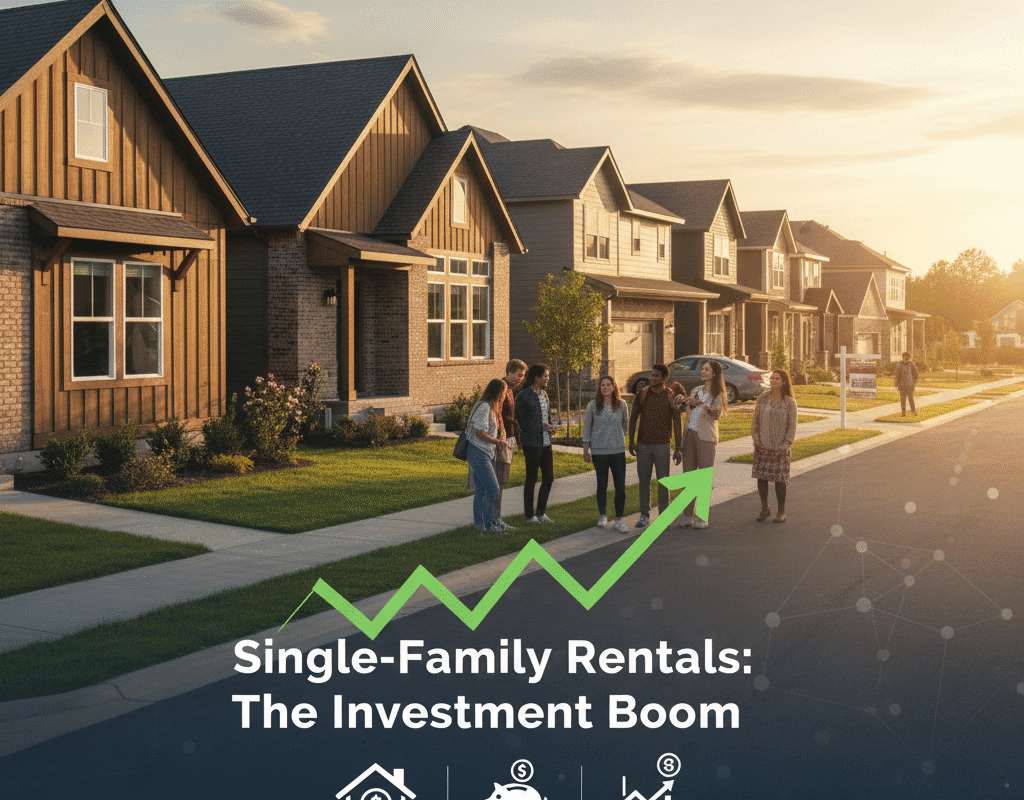
The Rise of Single-Family Rentals as a Dominant U.S.
The Rise of Single-Family Rentals as a Dominant U.S.
The growth of single-family rentals (SFRs) as a recognized investment class is one of the most significant and long-lasting changes to the American housing environment during the past ten years. The SFR market, which was formerly dominated by small, local landlords, has developed into one of the most active real estate markets in the United States, attracting interest from Wall Street businesses, international investment funds, homebuilders, and prospective individual investors.
By 2025, the SFR sector has matured into a sophisticated marketplace shaped by demographic preferences, affordability challenges, shifting work patterns, and evolving attitudes about homeownership. With occupancy rates at near-record highs, rent growth stabilizing but still strong, and institutional capital flowing into both existing housing stock and purpose-built rental communities
HSBC Cashback Credit Card 2025 – Benefits, Rewards & How to Apply?

Long-Term Demand Is Fuelled by Changing Demographics
The sharp change in U.S. demographic patterns is one of the main causes of the increase in single-family rentals. Once predicted to spearhead an increase in homeownership, millennials are now the country’s largest demographic of renters. Many people in their 30s and 40s want more room, privacy, and stability than an apartment can provide, but they are still too expensive to become homeowners because of high mortgage rates, rising property values, and stricter financing requirements.
Gen Z and Millennials Value Flexibility
Flexibility is becoming more and more important to younger folks. Many people choose renting over owning due to changes in lifestyle, job mobility, and remote work alternatives. A single-family rental provides:
- More room and a yard
- School districts in suburban areas
- Lower upfront costs than buying
- The ability to relocate without having to sell a house
This blend of convenience and comfort aligns with modern priorities in a way traditional apartments often cannot match.
Aging Americans Also Contribute to Rising Demand
Another demographic force is the aging baby boomer population. Many older adults are downsizing, choosing to rent rather than manage the responsibilities and costs of homeownership. SFRs offer the benefits of a home without the maintenance burden.
Combined, these demographic groups ensure a broad, multigenerational pool of rental demand—one reason investors view SFRs as a long-term, stable asset class.
Investor Interest Is Strengthened by Economic Conditions
SFR growth is significantly influenced by the macroeconomic climate. In 2025, a number of variables still support the industry’s allure.
Protection Against Inflation
In the past, real estate has served as an inflation hedge. Rents usually rise in response to changes in consumer prices, safeguarding investor gains. Particularly in appealing suburban areas, SFR rents have been resilient.
Compared to Other Asset Classes, Attractive Yields
Due to the volatility of the stock market and the fluctuations in bond yields, investors are looking for asset types that offer:
- Consistent cash flow
- Reduced volatility
- Potential for long-term appreciation
Both conservative and growth-oriented investors are drawn to SFRs because they provide a mix of income and prospective value increase.
Issues and Reactions to SFR Growth
The SFR market is subject to regulatory scrutiny and criticism despite its economic advantages.
Concerns About Institutional Ownership
Some argue that large investors contribute to:
- Reduced homeownership opportunities
- Rising home prices
- Market concentration in certain regions
Although institutions own a relatively small share of total homes, their presence in high-growth markets has fueled policy debates.
Affordability Pressures
Rent growth, while profitable for investors, creates challenges for tenants. As rents rise faster than incomes in many areas, families struggle to find attainable housing.
Community Impacts
Some critics express concerns that build-to-rent neighborhoods may alter traditional owner-occupied community dynamics. However, proponents argue that these communities fill crucial gaps in housing supply.
Conclusion: The Rise of Single-Family Rentals as a Dominant U.S.
The rise of single-family rentals marks a major shift in how Americans live, work, and invest. Economic pressures have redefined renting as a long-term choice rather than a temporary stage, while demographic shifts sustain demand across generations. Institutional investors, technology advancements, and build-to-rent communities have elevated SFRs into a fully developed asset class with national significance.
As the U.S. faces ongoing housing shortages, affordability challenges, and evolving lifestyle preferences, single-family rentals are positioned to play an even greater role in shaping the future of American real estate.
How Corporate Inversions Impact U.S. Tax Revenues: Economic, Legal, and Policy Implications in 2025
How Corporate Inversions Impact U.S. Tax Revenues: Economic, Legal, and Policy Implications in 2025