 A K
A K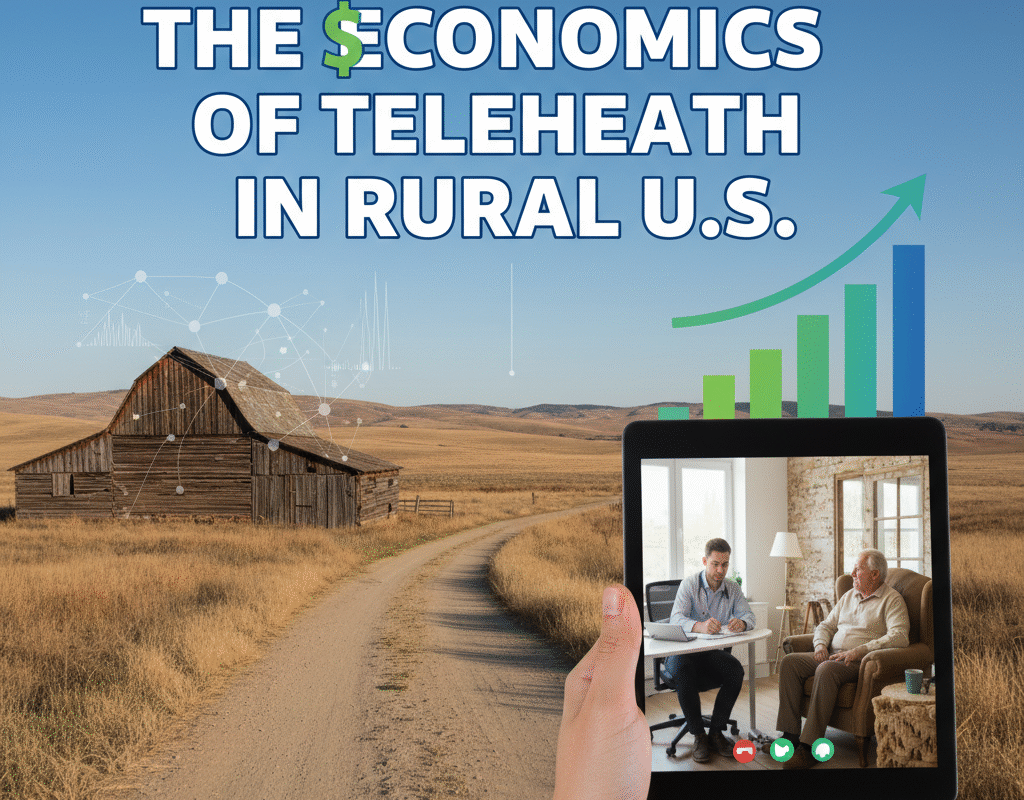
The Economics of Telehealth in Rural America
The Economics of Telehealth in Rural America
Telehealth, the delivery of healthcare services through digital communication technologies, has rapidly emerged as a critical solution to bridge the healthcare access gap in rural America. Hospital closures, extensive travel times to medical facilities, and a lack of healthcare professionals are just a few of the difficulties that rural Americans frequently confront. Telehealth offers a promising economic and healthcare model to mitigate these challenges.
HSBC Cashback Credit Card 2025 – Benefits, Rewards & How to Apply?

The Rural Healthcare Landscape in the U.S.
Disparities in healthcare access have long been a problem in rural areas of the United States. The National Rural Health Association states that people living in rural areas are more likely to have chronic illnesses, have lower incomes, and have trouble getting medical care due to transportation issues.
- Hospital Closures: Millions of people lack access to local healthcare due to the closure of roughly 150 rural hospitals in recent years.
- Provider Shortages: Primary care, specialists, and mental health professionals are scarce in many rural counties that have been designated as Health Professional Shortage Areas (HPSAs).
- Economic Impact: In rural areas, a lack of healthcare infrastructure has an impact on employment prospects, local economies, and population retention.
Telehealth Impact on Rural Healthcare Costs
Telehealth adoption can reshape rural healthcare economics in multiple ways:
- Reduced Emergency Room Visits
Telemedicine allows early diagnosis and treatment of illnesses, reducing unnecessary ER visits, which are costly for both patients and healthcare systems.
- Chronic Disease Management
Remote patient monitoring for conditions like diabetes, hypertension, and heart disease helps prevent complications, ultimately lowering hospitalization costs.
- Mental Health Services
Rural areas often lack mental health providers. Telepsychiatry and counseling services reduce travel costs and improve early intervention, minimizing long-term treatment expenses.
Obstacles in the Financial Application of Telehealth
While telehealth presents significant economic benefits, several challenges limit its full potential:
- Accessibility of Broadband
High-speed internet access remains limited in many rural areas, restricting telehealth adoption. According to the FCC, nearly 20% of rural Americans lack access to broadband capable of supporting video visits.
- Upfront Costs and ROI Concerns
Initial investments in telehealth technology can be prohibitive for smaller rural hospitals with tight budgets. Calculating return on investment (ROI) is essential but can be complex.
- Regulatory and Licensing Barriers
Different states have varying telemedicine licensing requirements, which can complicate multi-state service provision and limit provider flexibility.
Case Studies: Rural Communities’ Telehealth Economics
- Heart Disease Remote Patient Monitoring
A remote monitoring program for patients with heart failure was introduced by a rural clinic in the Midwest. Hospital readmissions decreased by 30% as a result of remote vital sign monitoring, which resulted in significant cost savings for both patients and the healthcare system.
- Appalachian Rural Telepsychiatry
Patients in Appalachia could receive mental health treatment without having to travel more than 100 miles thanks to telepsychiatry services. The program demonstrated both financial and health benefits by lowering travel expenses and enhancing continuity of service.
- Networks of Virtual Primary Care
To address chronic illnesses, a network of rural primary care physicians established virtual clinics. The clinics improved patient care while reducing operating costs by extending access to care without hiring more staff.
Rural America’s Prospects for Telehealth Economics
- Growth in Digital Health Technologies
It is anticipated that new technologies like wearable health monitors, mobile health apps, and AI-powered diagnostics would further lower prices and enhance results in rural areas.
- Reforms to Policy
Ongoing policy reforms at the federal and state levels aim to simplify telehealth licensing, enhance reimbursement, and expand broadband access, improving economic feasibility for providers.
- Sustainable Telehealth Models
Sustainable telehealth models require integration with existing healthcare infrastructure, adequate training, and community engagement. Economic success depends on both financial investment and patient adoption.
In conclusion: The Economics of Telehealth in Rural America
Telehealth is a game-changer for rural healthcare in the United States, enhancing access to essential services and providing financial advantages for both patients and providers. Although challenges remain—such as infrastructure costs, broadband limitations, and regulatory barriers—the potential for cost savings, improved health outcomes, and enhanced provider revenue is substantial.
By strategically investing in telehealth technology, incentivizing adoption through policy reforms, and engaging communities in digital healthcare, rural America can build a more accessible, efficient, and economically sustainable healthcare system.
The Economics of Suburban Sprawl in the U.S.: Costs, Consequences, and Solutions
The Economics of Suburban Sprawl in the U.S.: Costs, Consequences, and Solutions