 A K
A K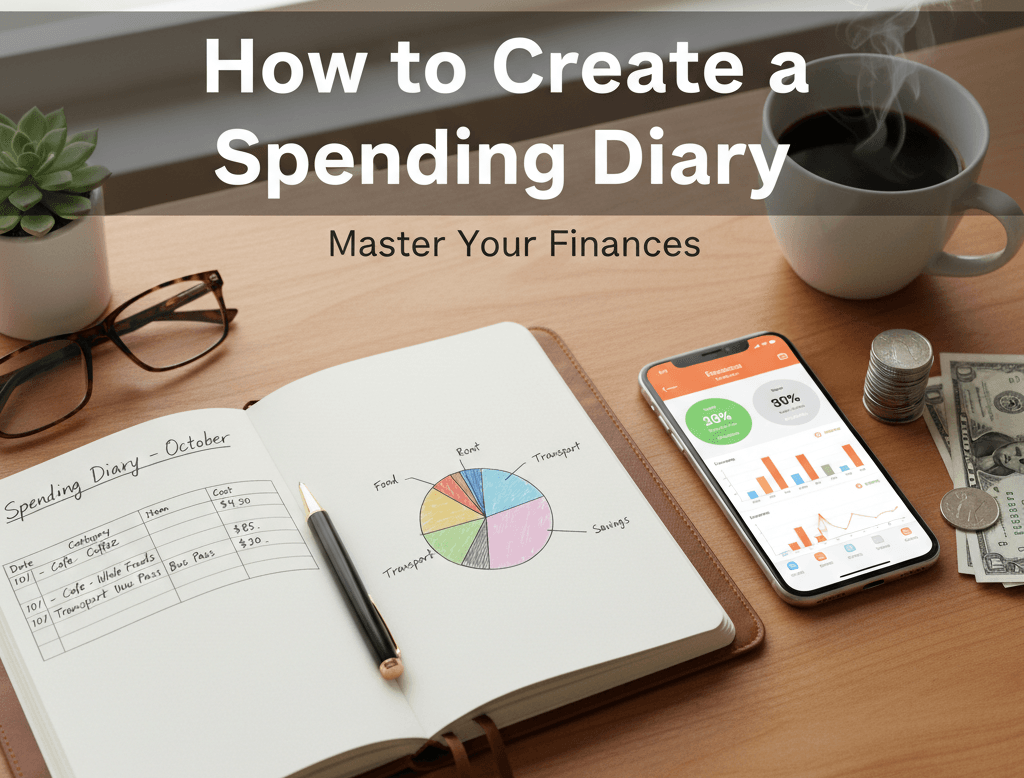
How to Create a Spending Diary:
How to Create a Spending Diary:
In today’s fast-paced world, managing money is becoming more challenging than ever. From rising living costs to the temptation of online shopping, it’s easy to lose track of where your money goes. That’s why financial experts often recommend one powerful, yet simple tool: a spending diary.
A spending diary is a daily log of every dollar you spend, whether it’s your morning coffee, utility bill, or impulse Amazon purchase. Unlike budgeting apps that automate data, a diary encourages mindfulness by forcing you to actively record your expenses. This practice can transform your financial habits and help you achieve long-term goals like saving for retirement, paying off debt, or building an emergency fund.
HSBC Cashback Credit Card 2025 – Benefits, Rewards & How to Apply?

A Spending Diary: What Is It?
A spending diary is a straightforward log of all the money you spend each day. A journal concentrates on the money you’ve previously spent, as opposed to a budget, which plans for future expenditures. Consider it a financial journal in which you record:
- Purchase date
- Purchased good or service
- Spending amount
- Method of payment (cash, card, or digital wallet)
- Category (bills, entertainment, food, transportation, etc.)
For example:
| Date | Item | Amount | Payment Method | Category |
| Sept 15, 2025 | Starbucks Latte | $4.50 | Debit Card | Food & Drink |
| Sept 15, 2025 | Gas Refill | $40 | Credit Card | Transportation |
The Importance of Maintaining a Spending Diary
The first step toward change is awareness.
The majority of people don’t realize how much they spend on “small” things. Putting things in writing removes uncertainty and exposes your routines.
Aids in Budget Adherence
A budget without tracking is like a diet without measuring calories. A spending diary keeps you accountable and ensures your financial plan matches reality.
Reduces Impulse Spending
When you know you have to record every purchase, you’re less likely to buy unnecessary items.
Supports Financial Goals
Whether you want to save for a house, pay off student loans, or travel abroad, knowing where your money goes is the first step toward reaching your goals.
Affordable and easily accessible
In contrast to expensive budgeting software, a spending diary can be as easy as a spreadsheet or notepad and is both efficient and cost-free.
Step-by-Step Guide: How to Create a Spending Diary
Step 1: Choose Your Format
There are various methods to maintain a spending journal:
- Notebook or Journal – Traditional but effective. Perfect for those who prefer handwriting.
- Spreadsheet (Excel/Google Sheets) – Great for organization and calculations.
- Mobile Apps – Tools like Mint, YNAB (You Need a Budget), or custom note-taking apps.
- Hybrid Approach – Jot quick notes on paper and later update your digital tracker.
Step 2: Keep Track of All Expenses Right away
Don’t wait until the end of the week. Write expenses as soon as they happen — whether it’s $1 for gum or $500 for rent. Small amounts add up.
Step 3: Categorize Spending
Group your expenses into categories like:
- Food & Groceries
- Transportation
- Entertainment
- Housing & Utilities
- Debt Payments
- Savings & Investments
This helps you identify overspending areas (for example, $200 on coffee in one month).
Step 4: Include Payment Method
Nothing whether you used cash, debit, or credit card can reveal debt-building habits.
Step 5: Review Weekly and Monthly
At the end of each week/month, review your diary:
- Total spent in each category
- Unexpected expenses
- Purchases you regret
- Areas for improvement
This analysis is the real power of a spending diary.
Digital vs. Paper Spending Diary: Which is Better?
Both methods have pros and cons.
| Method | Pros | Cons |
| Paper Diary | No tech required, more mindful writing process | Harder to calculate totals, less portable |
| Digital (Apps/Spreadsheet) | Auto-calculations, easy backup, accessible | Can feel less personal, app fatigue |
Best Choice? Use whichever system you’ll consistently maintain. Some people even use both: paper for daily awareness, digital for monthly analysis.
Common Errors to Steer Clear of
- Skipping Small Purchases – A $3 snack might feel unimportant, but multiplied daily, it’s $90/month.
- Not Reviewing Often – The true value is in assessing spending, not just recording.
- Giving Up Too Early – Habits take time. Stick with it for at least 30 days to see results.
- Being Too Strict – Don’t treat your diary as punishment; it’s a tool for awareness, not guilt.
How to Analyze Your Spending Diary
Once you’ve recorded at least one month of expenses, look for patterns:
- High-cost categories – Are you overspending on dining out, subscriptions, or shopping?
- Unnecessary expenses – Which purchases didn’t add value?
- Seasonal spikes – Holidays, birthdays, or travel months may show higher costs.
A Spending Diary’s Advantages for Various Lifestyles
- Students: Develop financial self-control at a young age.
- Families: Keep tabs on household spending and jointly establish savings objectives.
- Freelancers: Keep an eye on erratic earnings and outlays.
- Retirees: Effectively manage fixed incomes.
You Can Use These Tools and Templates
- Numerous Google Sheets templates are accessible online.
- Apps for budgeting include EveryDollar, PocketGuard, YNAB, and Mint.
- Spending Diary PDFs that are printable are excellent for novices.
Concluding remarks
A spending diary may sound simple, but it’s one of the most powerful financial tools you can use. By recording and reviewing every expense, you gain the awareness needed to control your money — instead of letting your money control you.
Whether you choose a paper journal or a budgeting app, the key is consistency. Start today, stick with it for a month, and watch how quickly your spending habits — and financial health — begin to improve.
Herd Mentality in Stock Market Investing: How It Shapes Investor Behavior
Herd Mentality in Stock Market Investing: How It Shapes Investor Behavior