 A K
A K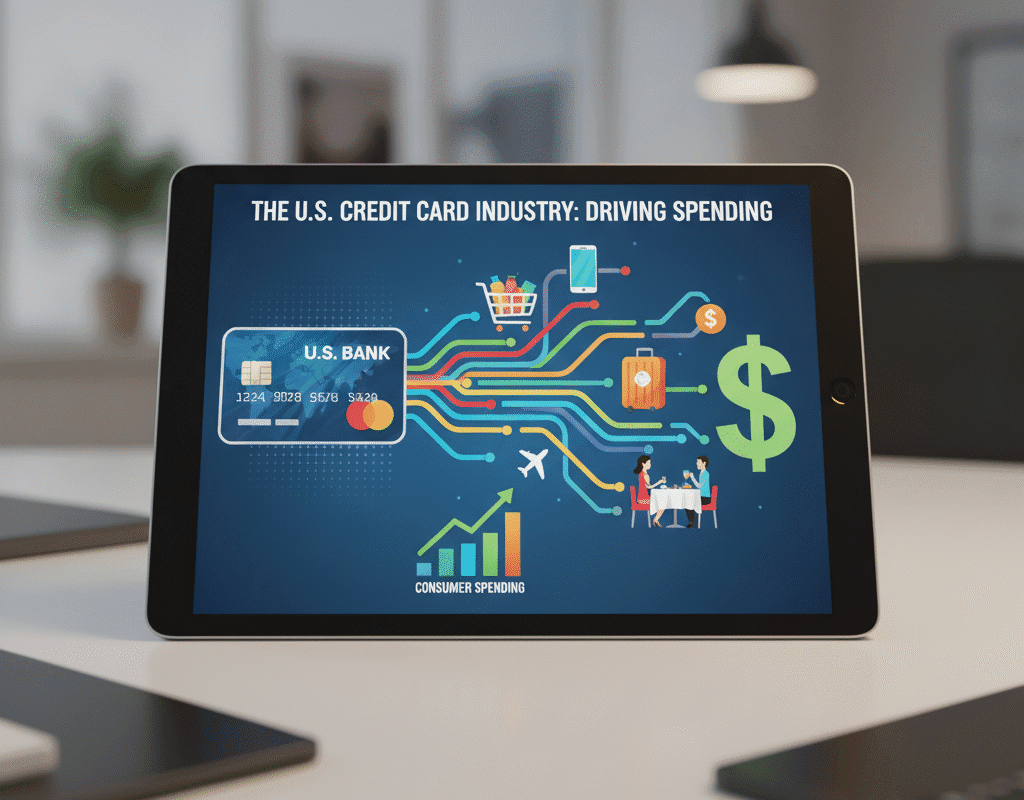
How the U.S. Credit-Card Industry Drives Consumer Spending?
How the U.S. Credit-Card Industry Drives Consumer Spending?
The U.S. credit-card industry is one of the most influential forces shaping how Americans spend, save, and borrow. With more than a billion credit cards in circulation nationwide and trillions of dollars in annual transactions, it has become an essential pillar of the country’s consumer-driven economy. Credit cards not only provide a convenient payment method but also encourage higher spending, shape retail strategies, and influence national economic patterns.
In today’s world of digital checkout buttons, mobile wallets, and instant credit approvals, the power of credit cards has grown even more significant. But how exactly does the industry drive consumer spending? What mechanisms make credit cards so effective at influencing purchasing behavior? And what does this mean for the broader U.S. economy?
HSBC Cashback Credit Card 2025 – Benefits, Rewards & How to Apply?

The American Economy’s Growth in Credit Cards
For a very long time, the United States has been among the world’s most credit-driven societies. In the latter part of the 20th century, the contemporary credit-card industry started to grow quickly, and it is now a vital part of American financial life.
The Cultural Norm of Credit Cards
For many households, credit cards are as essential as a bank account. They are used for everyday purchases such as groceries, gas, and online shopping, as well as major expenses like travel, furniture, and emergency needs.
Revolving Credit as a Spending Motivator
Revolving credit, which allows consumers to carry a balance month to month, has become a major contributor to spending power. When people are able to borrow today and pay tomorrow, they tend to spend more frequently and at higher amounts.
This spending becomes a feedback loop:
- More credit availability
- Higher spending levels
- Increased retail sales
- Greater economic growth
- More revenue for banks and lenders
How Credit Cards Promote Increased Consumer Expenditure
Credit cards are more than just a way to make payments; they are a tactical and psychological tool intended to boost consumer activity and purchasing power.
Money and Psychological Distance
People instantly experience financial loss when they utilize cash. However, credit cards disconnect people psychologically. The immediate consequence of spending is removed, making it easier to say “yes” to purchases.
Studies consistently show that consumers spend more when using a credit card versus cash—sometimes significantly more. Retailers understand this phenomenon well, which is why card payments are so heavily encouraged.
Buy Now, Pay Later—Before BNPL
While Buy Now Pay Later services have gained recent popularity, credit cards have been offering the same principle for decades. The ability to defer payment beyond the moment of purchase reduces mental friction and increases spending willingness.
How Interest Rates Affect Industry Behavior and Profits
In terms of mainstream consumer financing, credit card interest rates are among the highest in the United States. Profitability and behavioral influence are the two industrial goals of this high rates.
High APRs as a Source of Income
One of the main sources of income for credit card companies is interest. The interest earned can be substantial even if only a small percentage of cards have balances.
This creates an industry incentive to encourage:
- Higher spending
- Higher credit limits
- Revolving balances
Minimum Payments Encourage Ongoing Debt
Minimum payments are intentionally structured to keep balances revolving for long periods. This benefits lenders while giving consumers a misleading sense of manageable debt.
National Economic Impact
The credit card industry has a significant impact that goes well beyond individual customers. It has a big impact on how the American economy is shaped.
Encouraging GDP Driven by Consumers
Consumer spending accounts for over 70% of the US GDP. Credit cards increase consumers’ capacity and inclination to spend, which amplifies this behavior.
Stabilizer in Economic Downturns
Consumers occasionally use credit cards to maintain living standards or close income gaps during uncertain economic times. Some economic sectors may be temporarily stabilized by this funding.
In conclusion: How the U.S. Credit-Card Industry Drives Consumer Spending?
One of the most potent forces pushing consumer spending in the United States is the credit card business. Credit cards impact how Americans deal with money on a daily basis through psychological effects, technology integration, marketing tactics, and financial incentives.
Credit cards increase household debt and economic vulnerability even though they provide convenience, rewards, and spending power. The industry continues to play a key role in the nation’s consumer-driven economy as it develops.
How U.S. Federal Grants Drive Economic Growth in Small-Town America
How U.S. Federal Grants Drive Economic Growth in Small-Town America