 A K
A K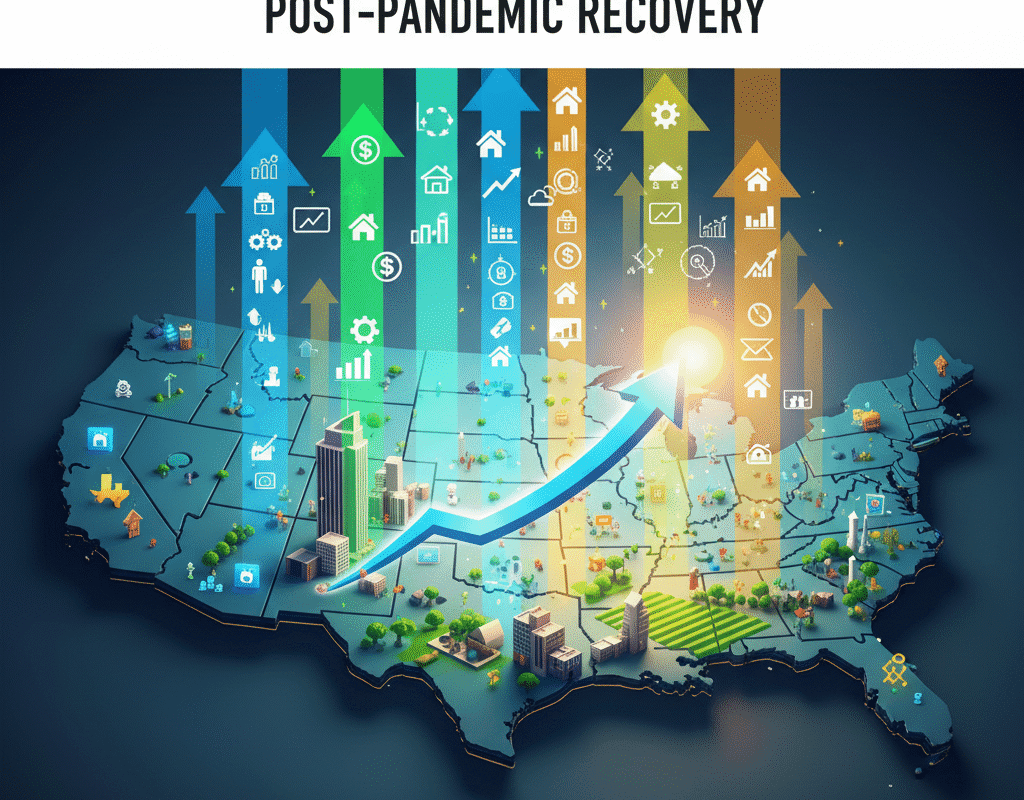
How State-Level Stimulus Programs Drive Post-Pandemic?
How State-Level Stimulus Programs Drive Post-Pandemic?
While the COVID-19 pandemic affected economies all across the world, the US faced particular difficulties. State-level stimulus initiatives emerged as crucial instruments for promoting localized post-pandemic recovery, even as federal stimulus measures like the CARES Act and the American Rescue Plan offered immediate help. These initiatives protected jobs, helped small businesses, catered to particular neighborhood needs, and eventually sped up the country’s economic recovery.
The causes, effects, and achievements of state-level stimulus initiatives in the United States are examined in this essay, emphasizing their crucial role in forming post-pandemic economic resilience.
HSBC Cashback Credit Card 2025 – Benefits, Rewards & How to Apply?

Understanding State-Level Stimulus Programs
State-level stimulus programs are initiatives designed and funded by individual state governments to inject money into local economies. Unlike federal stimulus measures, which operate on a national scale, state programs can tailor support to the unique needs of their communities. These programs typically focus on:
- Direct financial assistance to residents
- Support for small and medium-sized businesses
- Investment in local infrastructure projects
- Job creation and workforce development initiatives
By targeting specific sectors and populations, states can accelerate recovery more efficiently than blanket federal programs.
Examples of Successful State Stimulus Initiatives
California
California rolled out one of the largest state-level stimulus packages, allocating billions to small businesses, renters, and low-income households. The California Small Business COVID-19 Relief Grant Program provided grants ranging from $5,000 to $25,000, helping businesses survive closures and maintain employment levels.
Additionally, California invested in infrastructure projects to create jobs and stimulate local economies, particularly in areas hit hardest by the pandemic.
New York
New York’s Small Business Recovery Program supported businesses with grants and technical assistance, focusing on industries heavily affected by COVID-19, such as hospitality and retail. The state also invested in workforce training programs to reskill displaced workers, aligning labor supply with emerging economic opportunities.
Texas
Texas implemented stimulus measures emphasizing both business support and community resilience. The Texas Main Street Relief Program offered grants to small businesses, while rural development funds focused on upgrading local infrastructure, including broadband expansion and transportation improvements.
Florida
Florida’s Small Business Emergency Bridge Loan Program provided short-term funding to businesses facing liquidity challenges, preventing closures and layoffs. The state also invested in public health infrastructure to support long-term economic stability and resilience.
Economic Impact of State-Level Stimulus Programs
Job Creation and Retention
State-level stimulus programs have played a critical role in reducing unemployment rates by helping businesses retain employees and create new jobs. By providing grants and loans, states prevented widespread layoffs, stabilizing household incomes and reducing long-term economic scarring.
Business Recovery and Innovation
Many small businesses used stimulus funds to pivot their operations, adopt digital technologies, and expand into new markets.
For example, restaurants invested in delivery and online ordering platforms, while retailers enhanced e-commerce capabilities. These innovations contributed to long-term business sustainability.
Increasing Spending by Consumers
Direct payments to residents and financial assistance programs increased consumer spending, creating a positive ripple effect across local economies. This spending fueled demand for goods and services, enabling businesses to recover faster and stimulating overall economic growth.
Infrastructure Development
States leveraged stimulus funds for infrastructure projects, ranging from road repairs to renewable energy initiatives. These projects not only created jobs but also improved long-term economic efficiency and competitiveness.
Challenges and Lessons Learned
Despite the successes, state-level stimulus programs faced several challenges:
Funding Constraints
States rely on revenue, which often declined during the pandemic due to reduced economic activity. Limited budgets constrained the scale and scope of stimulus initiatives compared to federal programs.
Administrative Hurdles
Implementing state-level stimulus programs required efficient administrative systems. Some states faced delays and bureaucratic challenges that slowed the delivery of aid, reducing its immediate impact.
Ensuring Equity
While many programs prioritized vulnerable populations, ensuring equitable access remained a challenge. Some small businesses and households struggled to navigate complex application processes or lacked awareness of available assistance.
In conclusion: How State-Level Stimulus Programs Drive Post-Pandemic?
State-level stimulus programs have emerged as powerful engines of post-pandemic recovery in the U.S. By providing targeted support to residents, small businesses, and local economies, these initiatives have accelerated economic growth, stabilized employment, and strengthened communities.
While challenges remain, the lessons learned from these programs offer valuable insights for policymakers, emphasizing the importance of tailored, equitable, and adaptable stimulus measures. As the nation continues to recover and prepare for future economic challenges, state-level initiatives will remain central to ensuring a resilient and inclusive U.S. economy.
Why Some States Offer Property Tax Rebates: Benefits, Eligibility, and Trends in 2025
Why Some States Offer Property Tax Rebates: Benefits, Eligibility, and Trends in 2025