 A K
A K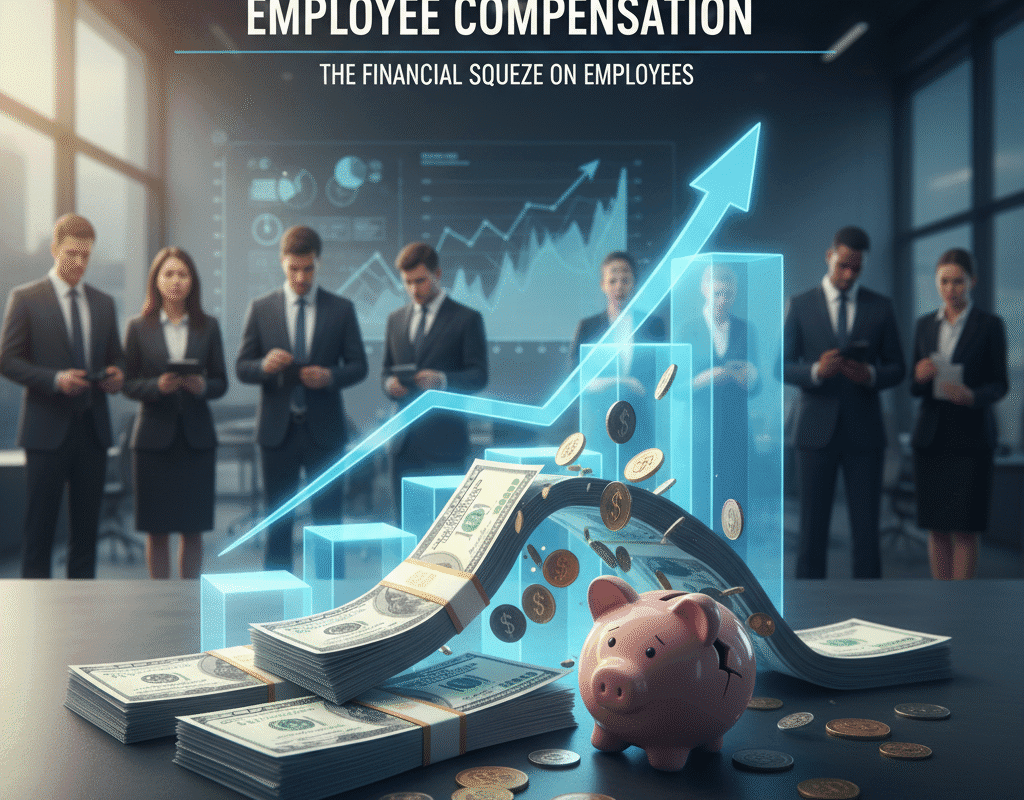
How Rising Healthcare Costs Are Impacting Employee?
How Rising Healthcare Costs Are Impacting Employee?
Healthcare costs in the United States have been steadily rising for decades, impacting not only the quality of care but also the financial dynamics between employers and employees. In recent years, the surge in medical expenses has become a critical factor shaping employee compensation and benefits, influencing workforce satisfaction, retention, and overall economic stability.
HSBC Cashback Credit Card 2025 – Benefits, Rewards & How to Apply?

The Current State of Healthcare Costs in the U.S.
In the United States, healthcare spending has continuously surpassed both wage growth and overall inflation. Healthcare expenses are expected to rise by roughly 5–6% every year, according to recent projections. Both companies and employees are bearing a heavy burden due to rising costs for insurance premiums, prescription medications, and medical services.
Traditionally, employers pay a portion of their employees’ health insurance premiums, but as expenses increase, companies must make difficult choices about compensation packages. To alleviate the increased financial burden, many firms are either limiting salary increases, cutting other perks, or raising employee contributions to healthcare costs.
The Role of Healthcare Inflation
Healthcare inflation refers to the rate at which medical costs increase over time. It has consistently outpaced general inflation in the U.S., leading to higher insurance premiums and out-of-pocket expenses. The drivers of healthcare inflation include:
- Prescription drug costs: The cost of new medications and therapies continues to rise sharply.
- Medical services: Hospitals, diagnostic services, and outpatient procedures are becoming more expensive.
- Chronic disease prevalence: An increasing number of employees have chronic conditions, driving up employer healthcare expenses.
As healthcare inflation rises, employers are forced to rethink compensation structures, leading to trade-offs between wages, benefits, and operational costs.
Impacts on Hiring and Retention of Workers
Growing healthcare expenses may have a number of effects on hiring and employee retention:
- Attracting Talent:
Organizations are more likely to draw top talent if they provide competitive healthcare benefits. However, companies may be forced to restrict the scope of coverage due to rising healthcare expenses, which could make them less appealing to potential employees.
- Retention Challenges:
Employees who face higher out-of-pocket costs may feel financially strained, leading to lower job satisfaction and increased turnover. Employers need to balance healthcare costs with compensation packages to retain skilled workers.
- Shift Toward Health-Focused Benefits:
Some companies are pivoting toward wellness programs, preventive care incentives, and telemedicine options to manage costs while maintaining employee satisfaction. These programs can indirectly support employee compensation by reducing overall healthcare expenditures.
The Prospects for Employee Pay in an Increasingly Expensive Environment
Employers and employees must adjust to a changing compensation picture as healthcare expenses are expected to keep growing. Important trends consist of:
- Integration of Benefits and Salary: Businesses are increasingly combining standard pay with wellness incentives, stock options, and benefits.
- Emphasis on Financial Wellness: Employers are providing programs to assist staff in handling retirement savings, student loans, and healthcare expenses.
- Technology-Driven Healthcare Solutions: Telemedicine and digital health services will probably be included as normal perks for employees, which could alleviate financial strains.
In conclusion: How Rising Healthcare Costs Are Impacting Employee?
The American workforce’s pay is significantly impacted by rising healthcare costs. Businesses constantly struggle to strike a balance between employee pleasure and long-term financial viability, from restricting salary increases to changing the benefits structure. In response, workers must deal with rising out-of-pocket costs and changing benefit plans.
Understanding how healthcare costs and pay interact is essential for long-term financial stability, employee retention, and job satisfaction for both companies and individuals. Businesses can control growing costs while retaining competitive compensation packages by using strategic measures including preventative care programs, flexible benefits, and digital health solutions.
How Oil Price Shocks Impact U.S. Transportation Costs: Trends and Insights
How Oil Price Shocks Impact U.S. Transportation Costs: Trends and Insights