 A K
A K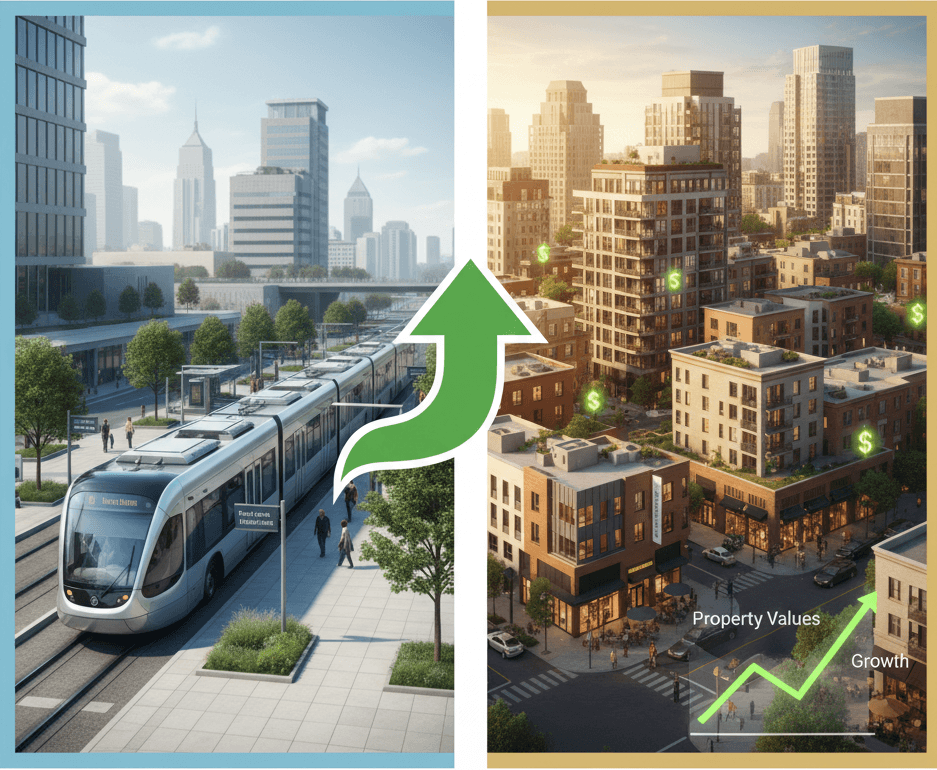
How Public Transit Investments Boost Property Values?
How Public Transit Investments Boost Property Values?
Public transit has long been a backbone of urban development, shaping the way cities grow, economies thrive, and residents move. In recent years, investments in public transportation have not only transformed commuting patterns but also had a profound impact on property values. As local governments and federal agencies pour billions into transit infrastructure, understanding how these investments influence real estate markets is crucial for homeowners, investors, and city planners alike.
HSBC Cashback Credit Card 2025 – Benefits, Rewards & How to Apply?

The Link Between Public Transit and Real Estate
Urban economists and real estate experts consistently highlight a positive correlation between public transit accessibility and property values. The concept is intuitive: homes and commercial properties near efficient transportation hubs become more desirable due to ease of commuting, increased accessibility, and enhanced neighborhood amenities.
Transit-oriented development (TOD) has emerged as a strategic approach to urban planning. This model focuses on creating mixed-use, walkable communities around transit stations, combining residential, commercial, and recreational spaces. By promoting TOD, cities aim to boost ridership while simultaneously increasing property demand in proximity to these hubs.
Statistical Findings: Correlation between Property Value and Transit
A 2022 study from the National Bureau of Economic Research (NBER) found that light rail investments in U.S. cities increased nearby residential property values by an average of 4–6%.
- Proximity to subway stations in New York City can result in property value premiums of up to 20%, particularly in Manhattan and parts of Brooklyn.
- Research from the University of California, Berkeley, indicates that commuter rail access in California’s Bay Area boosts home prices by approximately $50 per square foot for properties within 0.25 miles of stations.
- These numbers illustrate a clear trend: real estate markets respond positively to well-planned transit investments, making transportation infrastructure a key factor in urban property valuation.
Urban vs. Suburban Impact
While the positive impact of public transit investments is evident in urban centers, suburban neighborhoods experience nuanced effects. Suburban areas often see gradual appreciation linked to commuter rail or express bus services connecting them to city centers.
Example: Chicago Suburbs
The expansion of Metra commuter rail lines in Chicago suburbs like Naperville and Oak Brook has resulted in steady property appreciation. Homes near stations benefit from access to downtown Chicago while maintaining the appeal of suburban living, including larger homes, yards, and lower population density.
Suburban transit improvements can also mitigate sprawl by encouraging denser development near transit nodes, indirectly supporting property value growth while preserving green spaces elsewhere.
Difficulties and Things to Think About
Not all transit investments result in higher property values, despite the obvious advantages. Factors such as project quality, station safety, noise, and the socio-economic profile of neighborhoods play a role.
Noise and Pollution Concerns
While public transit reduces city-wide pollution, properties immediately adjacent to tracks may experience noise or vibration issues. For example, some light rail expansions in Phoenix and Dallas initially faced pushback from residents concerned about proximity impacts on living quality.
Gentrification Pressures
Increased property values near transit hubs can lead to gentrification, displacing long-term residents and altering neighborhood demographics. Policymakers must balance infrastructure improvements with affordable housing initiatives to ensure equitable growth.
Future Outlook: Public Transit and Real Estate in the U.S.
The federal government’s renewed focus on infrastructure spending under the Infrastructure Investment and Jobs Act signals continued growth for transit projects nationwide. Cities like Los Angeles, Seattle, and Austin are expanding light rail, bus rapid transit, and commuter rail networks, creating opportunities for property value appreciation.
Investors and homeowners should monitor:
- Planned expansions of subway and light rail systems
- Transit-oriented development initiatives
- Local zoning changes to encourage mixed-use neighborhoods
Sustainability and environmental policies enhancing the appeal of transit-rich areas
With careful planning, public transit investments can continue to serve as a catalyst for urban growth and neighborhood revitalization.
In conclusion: How Public Transit Investments Boost Property Values?
Investing in public transit is no longer just about improving mobility; it is a strategic driver of real estate value. From urban apartments to suburban homes, properties near efficient, reliable transportation systems consistently experience higher demand and appreciation. While challenges like gentrification and noise must be managed, the overall trend is clear: transit investments create more connected, desirable, and valuable communities.
For homeowners, investors, and city planners, understanding the intersection of transit and property markets is essential for making informed decisions that foster sustainable growth.
The Economics of U.S. Gender Pay Disparities: Causes, Impacts, and Solutions
The Economics of U.S. Gender Pay Disparities: Causes, Impacts, and Solutions