 A K
A K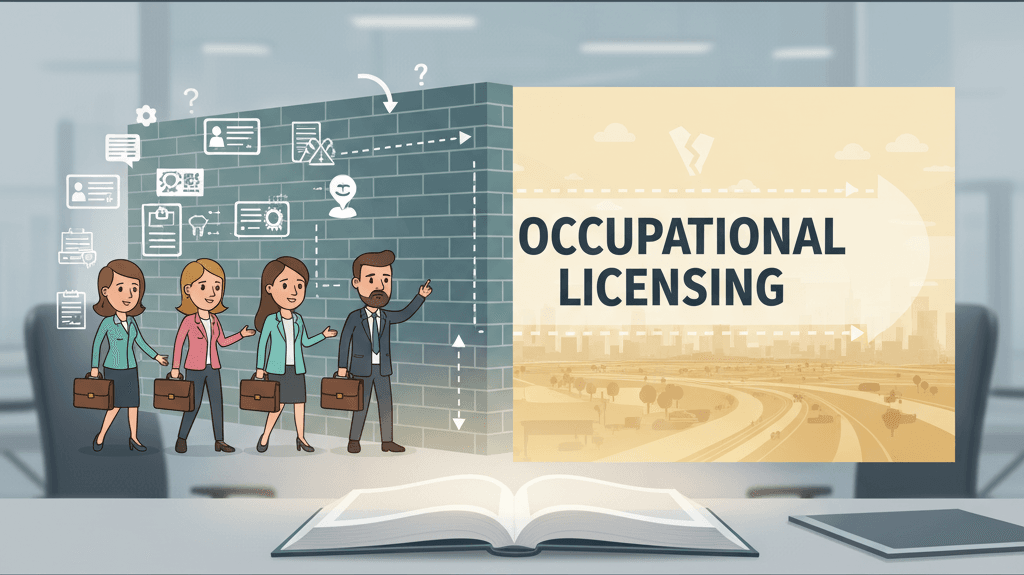
How Occupational Licensing Shapes Labor Mobility?
How Occupational Licensing Shapes Labor Mobility?
Occupational licensing—one of the most expansive and debated forms of labor regulation in the United States—has evolved dramatically over the past several decades. Once limited to a small number of highly specialized professions such as physicians, engineers, and attorneys, licensing now affects an estimated one in four U.S. workers, stretching across fields as varied as cosmetology, real estate, construction, healthcare support, and personal care services.
As state legislatures continue to expand, revise, or challenge their licensing boards, a central question has emerged: How do these licensing rules affect labor mobility in America? At a time when workforce shortages, interstate migration, and the rise of remote work reshape the labor market, the role of occupational licensing is more consequential than ever.
HSBC Cashback Credit Card 2025 – Benefits, Rewards & How to Apply?

Why Labor Mobility Matters Now More Than Ever
Labor mobility—the ability of workers to move across states, industries, or occupations—plays a crucial role in a dynamic economy. When workers can relocate or shift careers easily, businesses can fill shortages, workers can pursue better opportunities, and regional economies can balance supply and demand.
However, mobility has been declining in the United States for decades. Economic studies show that Americans move between states at roughly half the rate they did in the 1980s.
Among the reasons:
- high housing costs
- family caregiving challenges
- remote work reducing the need to move
- and occupational licensing barriers
The last factor, though often overlooked, has a significant impact on workers in dozens of fields.
Low- and middle-class workers are most affected by barriers.
Relatively predictable mobility is made possible by long but nationally recognized qualification pathways for high-paying occupations like medicine and law.
But for workers in trades, service sectors, or personal care industries, licensing often presents disproportionate obstacles.
Consider the case of barbers or nail technicians, who may need to complete hundreds of hours of training costing thousands of dollars—yet often earn entry-level wages.
A licensing requirement that delays employment even by a few weeks can create substantial financial stress.
Licensing Can Inflate Costs and Create Worker Shortages
Studies from federal and state agencies have concluded that strict licensing rules often:
- Reduce the number of active practitioners
- Increase service prices
- Contribute to workforce shortages in essential fields
Healthcare support roles—such as dental hygienists, EMTs, and nursing aides—are particularly affected.
In rural areas, the inability to hire licensed workers from neighboring states has created chronic gaps in services.
Among the Most Affected Groups Are Military Spouses
Federal employment data indicates that military families relocate every two to three years, which makes licensing requirements particularly onerous. Because more than 30% of military spouses hold licenses, they are disproportionately impacted by state differences.
After every move, delays in transferring credentials may result in months of missed wages.
Economic Impact: What Studies Indicate
Economists who have researched occupational licensing have discovered:
- Employment in impacted occupations is reduced by 10–15% as a result of licensing.
- Because there is less competition, workers in regulated professions make 5–20% higher money.
- Customers may have to pay more, particularly for services with few providers.
- When there is a substantial difference in professional standards across jurisdictions, interstate migration rates decline.
In certain professions, licensure enhances quality, although this isn’t always the case.
According to the data, licensing is advantageous in high-risk occupations, but it may impede worker mobility and economic growth in low-risk occupations.
Conclusion: How Occupational Licensing Shapes Labor Mobility?
Occupational licensing is a powerful tool—one that can protect consumers and elevate professional standards, but also one that can restrict opportunity and hinder mobility when applied excessively or unevenly.
As the United States faces shifting demographics, emerging technologies, and persistent labor shortages, the debate over licensing reform is likely to intensify. The challenge for policymakers is clear: to strike the right balance between public safety and the flexibility workers need to adapt and thrive in a changing economy.
Occupational licensing will continue shaping not only individual career paths but also the broader dynamics of the American labor market.
The Rise of Private Equity in U.S. Real Estate: Trends, Risks, and the Future of Housing Investment
The Rise of Private Equity in U.S. Real Estate: Trends, Risks, and the Future of Housing Investment