 A K
A K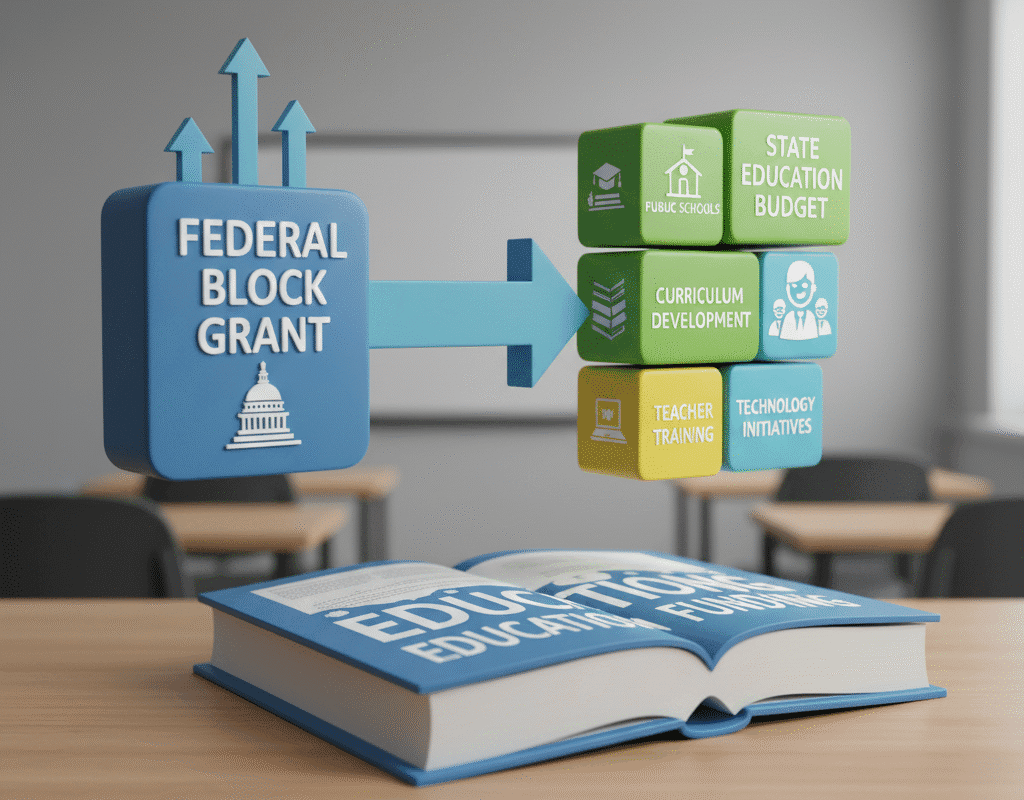
How Federal Block Grants Shape State Education Budgets?
How Federal Block Grants Shape State Education Budgets?
The U.S. government has long used federal block grants as a crucial tool to influence state education budgets. By providing a set amount of funding to states, these grants are designed to support a wide range of educational initiatives, from K-12 schools to higher education programs.
Unlike categorical grants, which have strict usage requirements, block grants allow states more flexibility in deciding how to allocate federal funds. However, this flexibility also creates both opportunities and challenges for state education systems, affecting budget priorities, policy implementation, and ultimately, student outcomes.
HSBC Cashback Credit Card 2025 – Benefits, Rewards & How to Apply?

What Are Federal Block Grants?
Federal block grants are sums of money given by the federal government to state governments to support broad policy areas. In education, these grants can be used for a variety of purposes, including teacher salaries, infrastructure improvements, student support services, and early childhood education programs.
Unlike categorical grants, which tie federal funding to specific programs, block grants allow states to tailor spending to meet local needs. For example, one state might use a block grant to expand vocational education, while another focuses on improving literacy programs. This flexibility is intended to empower states to make decisions that reflect local priorities and challenges.
The Effect on State Budgets for Education
State education budgets can be greatly impacted by federal block grants. These awards frequently provide as a foundation for governments to expand their educational spending since they offer significant revenue. Block grants are crucial for financing both operating expenses and creative programs because they frequently make up a sizable amount of a state’s overall education budget.
Innovation and Flexibility in Budgeting
The flexibility that block grants provide is one of their primary advantages. States are not bound by highly specific federal requirements, which allows them to direct funds where they are most needed.
For example, a state experiencing a teacher shortage might allocate block grant funds to higher salaries or recruitment incentives. Another state facing high dropout rates could invest in after-school programs or tutoring services.
This flexibility can encourage innovation, as states experiment with new programs tailored to local contexts. However, it also raises concerns about equity, as wealthier states may have more resources to supplement block grants, while poorer states rely heavily on federal funding.
Vulnerability and Dependency
Block grants can lead to reliance even though they offer stability in funding. If federal assistance is cut, states that depend significantly on federal block grants may experience financial difficulties.
For instance, states may have to make tough choices like cutting services or postponing infrastructure projects during times of federal budget cuts or policy changes.
Furthermore, because some block grants are fixed, they would not be able to keep up with rising student enrollment or inflation, which might put a pressure on state budgets. Because states can’t always forecast how federal priorities or allocations will evolve, long-term planning becomes difficult.
Impact on Equity and Access
Federal block grants play a crucial role in addressing educational inequities. By providing funds targeted at low-income or disadvantaged students, block grants help level the playing field across states with varying fiscal capacities. Title I funding, for example, aims to support schools serving high-poverty populations, providing resources for additional teachers, learning materials, and intervention programs.
However, the flexibility of block grants can also result in uneven allocation within states. Some districts may benefit more than others depending on local priorities, political decisions, or administrative capacity. Ensuring equitable distribution requires careful oversight and monitoring to align federal intent with state-level implementation.
Implications for Policy
There are important policy ramifications to how state education budgets are shaped by federal block grants.
- Equity Considerations: Lawmakers must make sure that the students and schools most in need of block grant funds receive it. Policies and monitoring mechanisms that prioritize equity are crucial for preventing inequalities in the distribution of resources.
- Sustainability: States should create plans to deal with the fluctuations in federal funding, such as backup plans for budget cuts or funding changes.
- Innovation and Best Practices: Flexibility in block grant spending allows states to experiment with innovative programs. Sharing best practices across states can improve educational outcomes nationwide.
- Accountability and Oversight: While block grants offer autonomy, states must maintain rigorous oversight to ensure that funds are used effectively and transparently.
Federal Block Grants’ Prospects in Education
Federal block grants will continue to be a key instrument for influencing state budgets as education policy develops. Future funding is likely to be influenced by the following major trends:
- Increased Emphasis on Evidence-Based Practices: States may be encouraged to direct block grant funds toward programs with proven effectiveness.
- Greater Integration of Technology: Federal funding may prioritize digital learning tools and infrastructure upgrades.
- Expansion of Equity Initiatives: Targeted funding for underserved populations will remain a priority.
- Performance and Accountability Measures: Federal oversight may continue to balance state flexibility with accountability for student outcomes.
In conclusion: How Federal Block Grants Shape State Education Budgets?
Federal block grants are a policy tool that influences how states prioritize, design, and carry out their educational initiatives. They are more than just a source of revenue. Block grants provide flexibility and innovative options, but they also need to be managed carefully to guarantee sustainability, equity, and efficacy. Block grants will continue to play a crucial role in determining the direction of American education as state and federal priorities change.
How Social Security COLA Adjustments Are Calculated: Everything You Need to Know
How Social Security COLA Adjustments Are Calculated: Everything You Need to Know