 A K
A K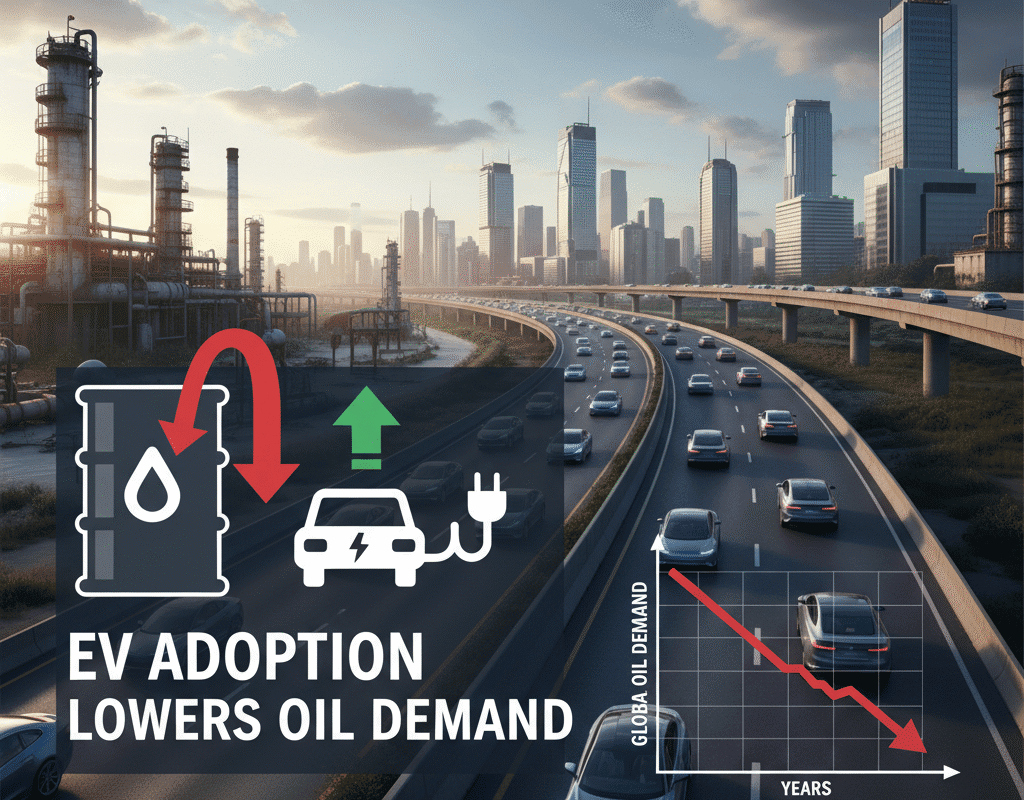
How Electric Vehicle Adoption is Reshaping Oil Demand?
How Electric Vehicle Adoption is Reshaping Oil Demand?
The energy environment in the United States is drastically changing. The conventional dominance of oil in transportation is experiencing previously unheard-of difficulties due to the quick uptake of electric vehicles (EVs). Experts predict that the shift toward electrified mobility could significantly reduce U.S. oil demand over the next decade, with profound implications for the economy, energy security, and environmental policy.
HSBC Cashback Credit Card 2025 – Benefits, Rewards & How to Apply?

The Rise of Electric Vehicles in the U.S.
Electric vehicle adoption in the United States has accelerated in recent years, fueled by technological advancements, government incentives, and growing consumer awareness of climate change. According to recent statistics, EV sales in the U.S. exceeded 1.3 million units in 2024, marking a year-on-year increase of over 50%. Major automakers, including Tesla, Ford, General Motors, and Rivian, are ramping up EV production, while new startups are entering the market with innovative electric models.
This surge is not just a trend; it represents a structural shift in the transportation sector. Unlike traditional gasoline-powered vehicles, EVs rely on electricity as a primary energy source, reducing the need for petroleum-based fuels.
Declining Gasoline Demand
One of the most immediate impacts of EV adoption is the reduction in gasoline demand. As more Americans switch to electric cars, the demand for gasoline declines, influencing both domestic oil consumption and global markets. According to the U.S. Energy Information Administration (EIA), gasoline consumption in the U.S. peaked in 2019 at 9.3 million barrels per day, but with the rise of EVs, analysts expect a gradual decline in coming years.
Effects on the Oil Sector
The U.S. oil business faces a serious challenge from the growing popularity of electric automobiles. Conventional oil corporations are diversifying into other energy sources due to the decreasing demand for gasoline and diesel. In response to a shifting energy landscape, certain oil companies, such as ExxonMobil and Chevron, have begun investing in renewable energy projects like wind, solar, and biofuels.
Declining oil consumption may also have an impact on funding for oil production and exploration. Reduced drilling activity might result from lower long-term demand, which would affect jobs and local economies that depend on the oil industry. In a world where electric transportation is becoming more and more prevalent, analysts contend that the oil business needs to innovate and diversify in order to survive.
Drivers of Policy and Regulation
In order to reduce reliance on oil and accelerate the adoption of EVs, government initiatives are essential. EV sales have increased dramatically as a result of federal and state incentives like tax credits, rebates, and subsidies. For example, EV tax credits were incorporated in the Inflation Reduction Act of 2022, lowering the cost of electric vehicles for American consumers.
Moreover, several states, including California, New York, and Washington, have set ambitious goals to phase out gasoline-powered vehicles entirely by 2035. These regulatory measures further signal a structural decline in oil demand as the nation transitions to cleaner transportation alternatives.
Environmental Consequences
There are significant environmental advantages to switching from gasoline-powered to electric automobiles. Reduced oil consumption translates to lower greenhouse gas emissions, improving air quality and helping the U.S. meet climate goals. According to the Environmental Protection Agency (EPA), transportation accounts for nearly 29% of U.S. greenhouse gas emissions, with passenger vehicles being a major contributor.
By replacing conventional vehicles with EVs, the nation can reduce carbon emissions significantly, aligning with global climate commitments under the Paris Agreement. This environmental shift also underscores the symbiotic relationship between EV adoption and oil demand reduction.
Economic Factors
While the decline in oil demand presents challenges for traditional energy sectors, it also opens up new economic opportunities. The EV market generates jobs in battery manufacturing, vehicle assembly, and charging infrastructure development. Analysts estimate that the U.S. EV industry could support over 500,000 new jobs by 2030, offsetting employment losses in the oil sector.
Moreover, consumers benefit from reduced fuel costs. With electricity generally cheaper than gasoline per mile driven, EV owners can save thousands of dollars annually, increasing disposable income and stimulating economic activity in other sectors.
In conclusion: How Electric Vehicle Adoption is Reshaping Oil Demand?
The adoption of electric vehicles in the U.S. is more than a technological trend; it is a fundamental shift with far-reaching implications for oil demand, the energy industry, and the environment. While challenges remain, the combination of policy support, consumer interest, and technological innovation is accelerating the transition toward electrified transportation.
As the U.S. moves away from petroleum dependency, the economic, environmental, and societal benefits of EV adoption will continue to grow. The future of transportation is electric, and the oil industry must adapt or risk obsolescence in a rapidly evolving energy landscape.
The Role of NIMBYism in the U.S. Housing Supply Crisis: Causes, Impacts, and Solutions
The Role of NIMBYism in the U.S. Housing Supply Crisis: Causes, Impacts, and Solutions