 A K
A K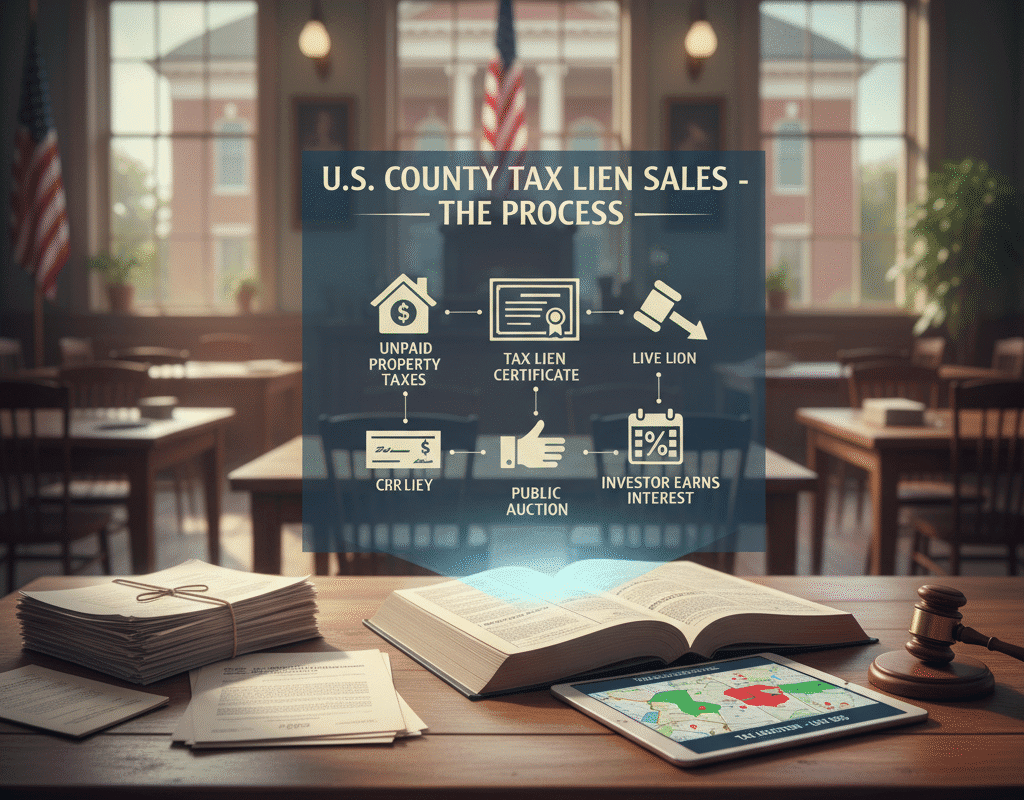
How Tax Lien Sales Work in U.S. Counties?
How Tax Lien Sales Work in U.S. Counties?
In the United States, property taxes are an essential source of revenue for local governments, funding services like schools, emergency services, and infrastructure. However, not all property owners pay their taxes on time. When property taxes become delinquent, counties have mechanisms to recover the unpaid amounts, one of which is through tax lien sales. Tax lien sales offer opportunities for both local governments and investors, creating a unique intersection of public finance and real estate investment.
Understanding how tax lien sales work in U.S. counties is essential for property owners, investors, and anyone interested in local government finance. This guide will break down the process, explain the legal framework, and provide practical tips for navigating tax lien auctions.
HSBC Cashback Credit Card 2025 – Benefits, Rewards & How to Apply?

Tax Liens: What Are They?
When a property owner neglects to pay property taxes, a government agency may file a tax lien. Essentially, it is the government’s way of securing its right to collect unpaid taxes. The lien ensures that the government has a priority claim over the property for the amount owed, plus interest and penalties.
When property taxes remain unpaid for a specified period, the county government may place a lien on the property. This lien takes precedence over other debts except for certain senior liens like federal tax liens or mortgages in some states.
Why Counties Conduct Sales of Tax Liens
For essential services, counties depend on property taxes. When taxes go unpaid, local governments face budget shortfalls. To recover delinquent taxes efficiently, many counties conduct tax lien sales. The process helps:
- Recoup Lost Revenue: By selling tax liens, counties can collect money owed without waiting for the property owner to pay voluntarily.
- Encourage Timely Payments: The threat of losing property or accruing additional costs motivates property owners to settle their debts.
- Attract Investors: Tax lien sales bring in investors willing to pay delinquent taxes in exchange for potential returns.
The sale of tax liens transfers the right to collect the overdue taxes (plus interest and penalties) from the county to the investor.
Benefits of Tax Lien Investing
Despite the risks, tax lien investing offers several advantages:
- High Returns: Interest rates on tax liens can range from 8% to 36%, depending on state law.
- Secured Investment: Tax liens are secured by real property, reducing default risk compared to unsecured loans.
- Diversification: Tax liens provide a different type of investment that is relatively independent of stock or bond markets.
Tips for Participating in Tax Lien Sales
- Begin Small: Begin with one or two liens to learn the auction process.
- Attend Auctions: Whether online or in-person, attending auctions helps understand bidding dynamics.
- Perform Due Diligence: Always research properties, market conditions, and legal requirements.
- Understand Redemption Periods: Know how long property owners have to pay before foreclosure.
- Consult Professionals: Work with attorneys, accountants, or experienced investors for guidance.
Conclusion: How Tax Lien Sales Work in U.S. Counties?
Tax lien sales in U.S. counties provide an important mechanism for local governments to recover unpaid property taxes while offering investors an opportunity for secured returns. By understanding the process—from delinquent tax identification to auctions, certificates, and redemption—investors can make informed decisions and mitigate risks.
As counties continue to rely on property taxes as a primary revenue source, tax lien sales will remain a key part of the financial landscape. For those willing to do their homework and navigate the legal nuances, tax lien investing can be both profitable and impactful, contributing to the financial health of communities while building personal wealth.
The Economics of Quiet Quitting in Corporate America: Why Employees Are Opting Out
The Economics of Quiet Quitting in Corporate America: Why Employees Are Opting Out
1 Comment