 A K
A K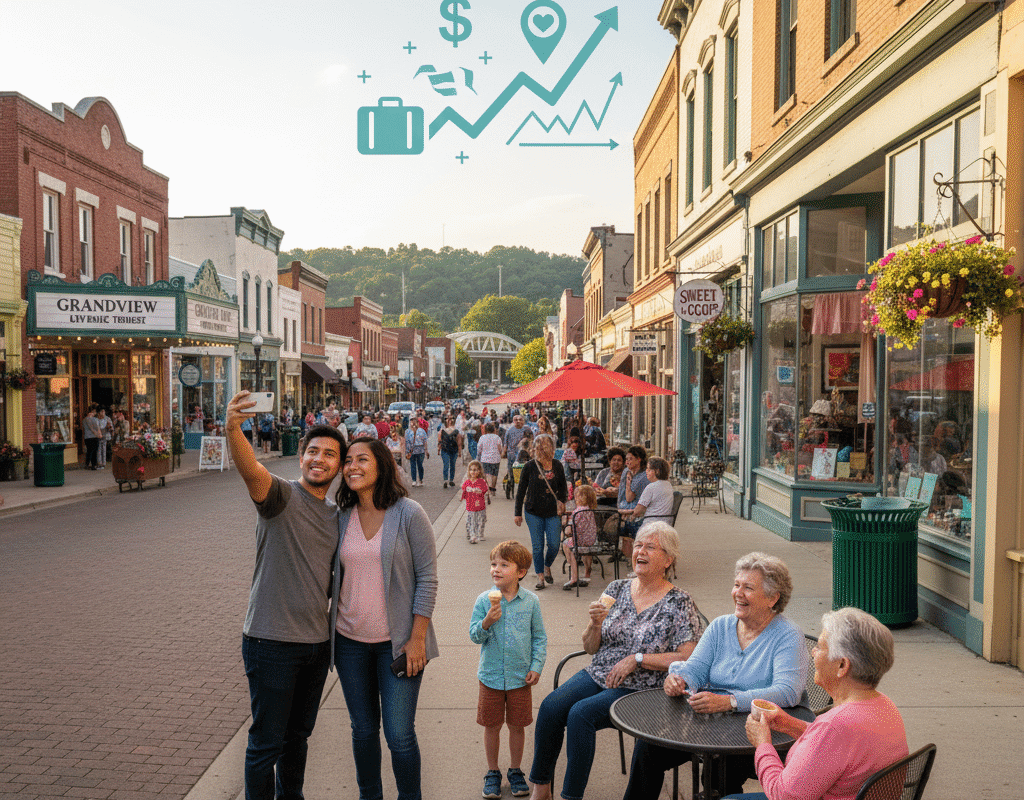
How U.S. Tourism Is Powering Regional Economic?
How U.S. Tourism Is Powering Regional Economic?
In 2025, the United States tourism sector stands out as one of the most powerful engines driving regional economic recovery. After years of volatility brought on by the pandemic, shifting travel behaviors, and global uncertainty, tourism has reemerged not merely as an economic activity—but as a cornerstone of revitalization for states, counties, and cities across the country.
From bustling coastal hotspots to small inland towns that rely heavily on seasonal foot traffic, the travel and tourism industry is helping rebuild local economies, replenish job markets, and stimulate new investment. Tourism is proving to be more than leisure; it is lifeblood for communities seeking stability and economic opportunity in a rapidly changing environment.
HSBC Cashback Credit Card 2025 – Benefits, Rewards & How to Apply?

The Crucial Role of Tourism in the American Economy
One of the main forces behind American economic activity has always been tourism. Prior to the epidemic, the sector supported millions of employment and added trillions of dollars to the nation’s economy. Despite reaching all-time lows in 2020, the industry has recovered faster than anticipated.
The Significance of Tourism for Local Economies
One of the few sectors with a broad economic impact in several areas is tourism, which has an impact on:
- Lodging and hospitality
- Food services and restaurants
- Logistics and transportation
- Entertainment and retail
- Outdoor leisure
- Sites of cultural and historical significance
- Revenue from local taxes
How Local Government Recovery Is Aided by Tourism
State and local tax revenues are rising as a result of the tourism boom.
Key revenue streams include:
- Hotel occupancy taxes
- Sales taxes from retail spending
- Gas tax revenue from road travel
- Airport and transportation fees
- Venue and entertainment taxes
This financial boost allows local governments to reinvest in infrastructure, public safety, community events, and tourism marketing.
Technology Is Amplifying Regional Tourism Growth
Digital innovation is helping travelers discover new destinations and helping local businesses reach wider audiences.
The most impactful technological advancements include:
- AI-powered travel planning
- Dynamic hotel pricing
- Virtual reality previews
- Mobile-first booking and check-in
- Contactless services
- Online local business marketplaces
These technologies reduce friction in the travel process and allow regional destinations to compete with top-tier tourism markets.
Government Policy and Funding Are Accelerating the Rebound
Federal and state governments have recognized tourism’s essential role in economic recovery and have introduced programs supporting workforce development, marketing, and infrastructure.
Key policy areas include:
- Airport modernization
- Tourism marketing grants
- Small business recovery programs
- Public–private partnerships
- International visitor outreach
- Event and convention incentives
The Future of U.S. Tourism: A Foundation for Long-Term Regional Prosperity
Tourism is positioned not only to drive short-term recovery but also to shape the long-term economic landscape of many regions.
Key long-term trends include:
- Continued expansion of domestic travel
- Growth of sustainable and eco-friendly tourism
- Increasing international visitor arrivals
- More investment in cultural and experiential travel
- Public–private collaboration on infrastructure
- Adoption of advanced travel technology
In conclusion: How U.S. Tourism Is Powering Regional Economic?
In 2025, U.S. tourism is more than a leisure sector—it is a catalyst for widespread regional recovery. From job creation to small business revitalization, infrastructure improvements, and community development, tourism plays a crucial role across the nation.
As travel demand grows, and as regions adapt with innovation and experiential offerings, the tourism industry is helping rebuild stronger, more resilient local economies. Whether through road trips to rural towns or large-scale events in major cities, American travelers are driving a recovery that reaches far beyond the tourism sector itself.
With continued support, strategic investment, and evolving travel trends, U.S. tourism is set to remain one of the most influential forces shaping regional prosperity for years to come.