 A K
A K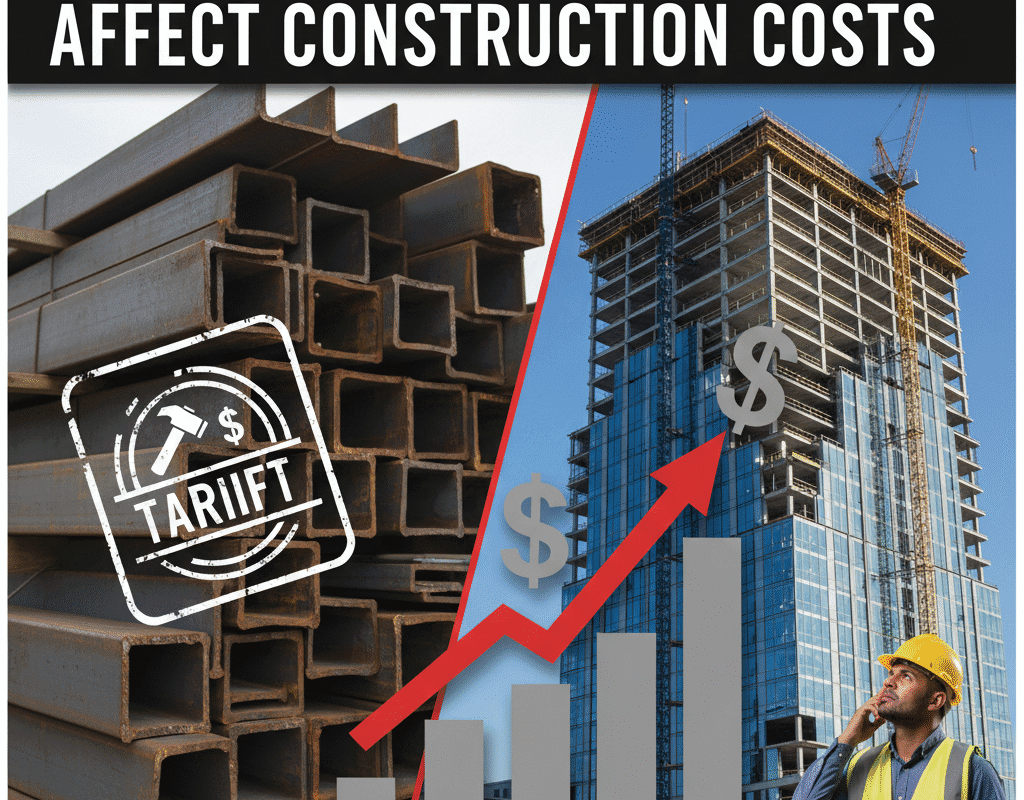
How U.S. Steel Tariffs Are Increasing Construction Costs?
How U.S. Steel Tariffs Are Increasing Construction Costs?
The American construction industry has long depended on steel—whether for high-rise buildings, bridges, industrial plants, or transportation infrastructure. As a result, changes in steel pricing have always had direct and immediate effects on builders, contractors, and consumers.
But in recent years, the United States has witnessed a unique and prolonged period of steel price volatility tied largely to federal tariffs imposed on imported steel. These tariffs, originally implemented to protect domestic manufacturing, have increasingly become a dominant factor reshaping the economics of construction nationwide.
Today, the discussion surrounding U.S. steel tariffs sits at the intersection of economic policy, national security concerns, supply chain resilience, and inflation in the construction market.
HSBC Cashback Credit Card 2025 – Benefits, Rewards & How to Apply?

A Brief Background: Why the U.S. Imposed Steel Tariffs
U.S. steel tariffs gained global attention in 2018 when the administration at the time imposed a 25 percent tariff on imported steel under Section 232 of the Trade Expansion Act. The justification centered on national security, arguing that excessive reliance on foreign steel threatened domestic steelmaking capacity. Steel imports from countries such as China, South Korea, Brazil, and Turkey were especially targeted.
Although exemptions and adjustments have been made through the years, including quota systems for certain allies, many of the tariffs remain in place. The intention was straightforward: bolster domestic steel production, protect American jobs, and reduce dependency on foreign producers that could potentially disrupt supplies.
The Direct Effect: Increasing Steel Costs and Materials Inflation
The increase in domestic steel pricing has been one of the most obvious and quantifiable effects of steel tariffs. In the years following the introduction of tariffs, steel prices in the U.S. surged well above global market levels. Though prices have fluctuated since, they remain significantly higher than before the tariffs were enacted.
When tariffs increase the cost of imported steel, domestic producers often raise their prices as well. This is a natural economic response: with foreign competition diminished, supply becomes more concentrated, enabling price increases. For construction companies operating on tight project budgets, these price changes have been difficult to absorb.
Tariffs and the U.S. Infrastructure Boom: A Mismatch of Policy and Reality
In recent years, the federal government has emphasized infrastructure investment, allocating hundreds of billions of dollars to improve roads, bridges, ports, water systems, and transit networks. Federal and state agencies have launched ambitious timelines, and many projects are already underway.
Yet this infrastructure expansion coincides with elevated steel prices driven by tariffs. The result is a mismatch: policymakers are calling for rapid infrastructure development, but the cost of a foundational material remains unusually high.
Domestic Steel Producers: Recipients Facing Their Own Difficulties
While steel consumers—construction companies—have felt the pain of higher prices, domestic steel manufacturers have generally benefited. Tariffs protect them from foreign competitors, increase demand for their products, and allow for higher pricing.
However, domestic producers face challenges too:
- They must scale production to meet increased demand.
- Labor shortages in manufacturing slow output.
- Energy costs and environmental regulations add production expenses.
- Supply chain bottlenecks remain a persistent issue.
Some analysts argue that domestic producers have not expanded capacity quickly enough to offset the reduction in imports, contributing to prolonged price volatility.
Are Tariffs Achieving Their Goals? A Divided Debate
Public opinion and expert analysis on the effectiveness of steel tariffs remain divided.
Supporters argue that tariffs are helping revive American steel manufacturing, strengthening national security and supporting industrial jobs. They contend that short-term price increases are a necessary sacrifice for long-term self-sufficiency.
Critics counter that the economic cost—especially to construction and manufacturing—outweighs the benefits. They argue that higher steel prices limit economic growth, raise housing and infrastructure costs, and reduce global competitiveness.
The debate is far from settled, and future administrations may modify or replace current tariff policies. For now, construction firms must continue navigating a tariff-shaped pricing landscape.
Conclusion: How U.S. Steel Tariffs Are Increasing Construction Costs?
U.S. steel tariffs were originally designed to strengthen domestic manufacturing, but their impact now reaches far beyond steel mills. The American construction sector, which relies heavily on steel, faces higher material costs, delayed timelines, and tighter profit margins. As infrastructure and building demands continue to grow, steel tariffs have become a defining factor in the cost and pace of development across the country.
While the debate over tariffs will continue, one reality is clear: until steel prices stabilize or policy changes occur, construction firms, developers, public agencies, and consumers must adapt to a new economic landscape—one where steel tariffs play a central role in shaping costs and project decisions.
Why Regional Banks Remain Crucial to U.S. Small-Business Lending in 2025
Why Regional Banks Remain Crucial to U.S. Small-Business Lending in 2025