 A K
A K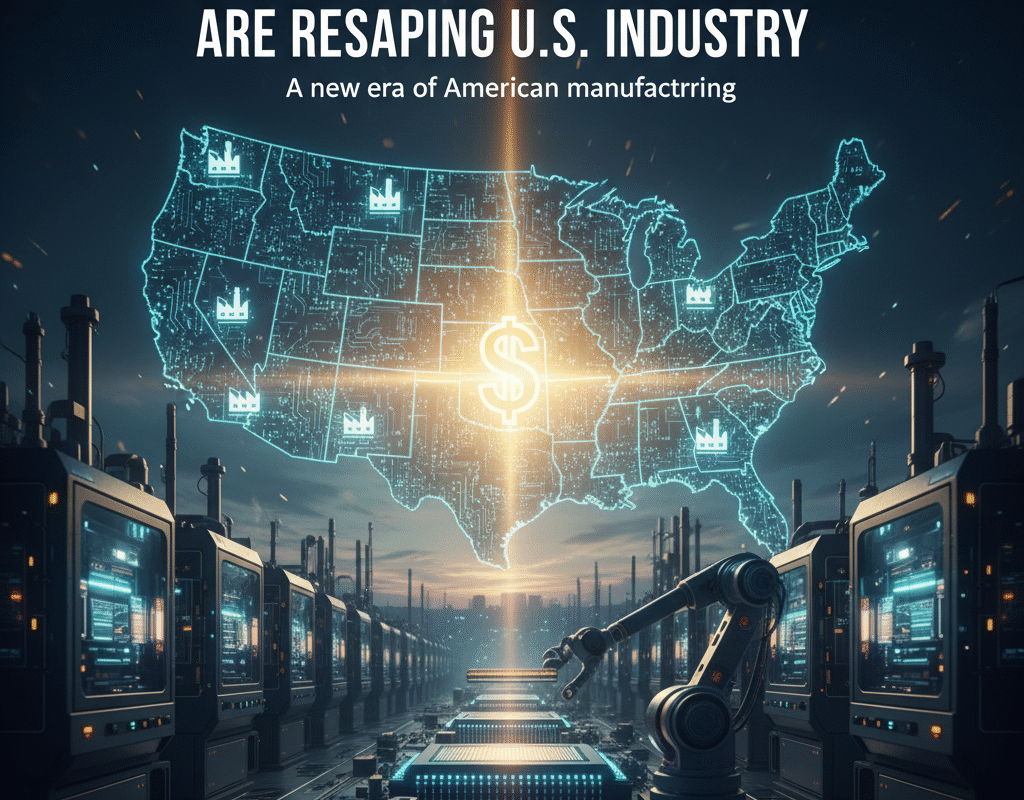
How Semiconductor Subsidies Are Transforming?
How Semiconductor Subsidies Are Transforming?
The semiconductor industry is the backbone of modern technology, powering everything from smartphones and laptops to electric vehicles and advanced defense systems. Over the past few years, the U.S. government has recognized the strategic importance of semiconductors, launching significant subsidies to strengthen domestic production and innovation. These policies are reshaping the U.S. industry in unprecedented ways, affecting supply chains, job creation, and global competitiveness.
With the passage of the CHIPS and Science Act in 2022, the U.S. committed over $52 billion in federal incentives to support semiconductor research, development, and manufacturing. This marks a historic shift in U.S. industrial policy, aiming to reduce reliance on foreign suppliers, particularly in Asia, where countries like Taiwan and South Korea dominate chip manufacturing.
HSBC Cashback Credit Card 2025 – Benefits, Rewards & How to Apply?

The Role of Semiconductor Subsidies in U.S. Industry
Semiconductor subsidies are government-provided financial incentives, such as grants, tax credits, and research funding, aimed at boosting domestic chip production. These incentives are critical because semiconductor manufacturing is capital-intensive, requiring billions of dollars to build state-of-the-art fabrication plants (fabs) and maintain cutting-edge research.
Historically, the U.S. led global semiconductor innovation, but over the decades, production shifted overseas due to lower costs and aggressive industrial policies in Asia. Now, with subsidies, the U.S. seeks to regain its position in both manufacturing and technological leadership.
Strengthening Supply Chain Resilience
The COVID-19 pandemic exposed vulnerabilities in the global semiconductor supply chain, causing major disruptions in industries ranging from automotive to electronics. Semiconductor subsidies are a strategic response, aimed at building a more resilient domestic supply chain.
By incentivizing U.S.-based manufacturing, the government is reducing dependence on foreign suppliers, particularly in regions prone to geopolitical tensions. This move ensures that critical sectors, including defense, healthcare, and consumer electronics, have a more reliable access to essential semiconductor components.
Driving Innovation and Advanced Technology
Beyond manufacturing, subsidies are accelerating research and development in advanced semiconductor technologies, such as AI chips, quantum computing components, and next-generation logic nodes. Funding for domestic R&D fosters innovation, enabling U.S. companies to stay ahead of global competitors.
The CHIPS Act allocates significant resources to university research programs and public-private partnerships, ensuring that America maintains a pipeline of cutting-edge semiconductor technology. This approach strengthens the U.S.’s long-term competitiveness in high-tech industries.
Challenges and Criticisms
Despite the clear benefits, semiconductor subsidies face challenges and criticisms:
- High Costs: Funding advanced semiconductor plants is expensive, and subsidies represent a substantial taxpayer investment.
- Global Tensions: Subsidizing domestic production may spark trade tensions with countries that perceive the incentives as unfair competition.
- Time to Impact: Building state-of-the-art fabs takes years, meaning the full benefits of subsidies may take time to materialize.
However, proponents argue that the long-term gains in national security, economic growth, and technological leadership far outweigh these concerns.
Outlook for the Future
Looking forward, semiconductor subsidies are likely to continue reshaping the U.S. industry for decades. Key trends to watch include:
- Expansion of Domestic Fabs: More U.S.-based manufacturing facilities will come online, increasing domestic production capacity.
- Technological Leadership: Funding for research will accelerate breakthroughs in AI, quantum computing, and advanced logic processes.
- Workforce Development: Educational programs and training initiatives will produce a new generation of semiconductor engineers and technicians.
- Strengthened Global Position: The U.S. may regain a larger share of the global semiconductor market, enhancing economic and strategic leverage.
While challenges remain, the combination of government subsidies, private investment, and public-private collaboration positions the U.S. semiconductor industry for robust growth.
Conclusion: How Semiconductor Subsidies Are Transforming?
Semiconductor subsidies represent a transformative policy shift, with implications for manufacturing, innovation, economic growth, and national security. By incentivizing domestic production, the U.S. is reducing reliance on foreign suppliers, creating high-value jobs, and driving technological advancements.
The CHIPS Act and related policies underscore the strategic importance of semiconductors in the 21st century. As the U.S. industry evolves, these subsidies will continue to play a pivotal role in shaping the future of American technology and maintaining global competitiveness.
In essence, semiconductor subsidies are not just financial incentives—they are a roadmap for the U.S. to reclaim its leadership in advanced technology and secure a resilient, innovative, and competitive industrial base.
Why U.S. States Fiercely Compete for Federal Transportation Grants in 2025
Why U.S. States Fiercely Compete for Federal Transportation Grants in 2025