 A K
A K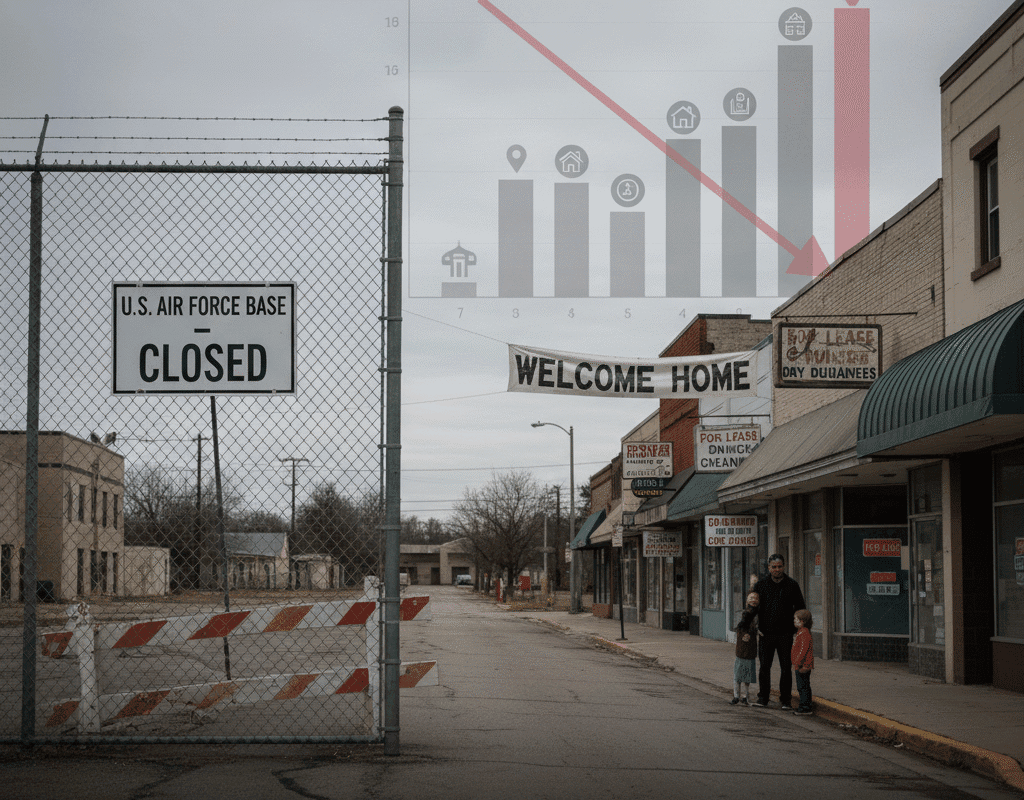
How Military Base Closures Impact Local U.S. Economies?
How Military Base Closures Impact Local U.S. Economies?
Thousands of American communities have traditionally relied heavily on military bases for their economic survival. From small towns built around training installations to major metropolitan regions hosting large command centers, the presence of military infrastructure has shaped local employment, business development, real estate, and long-term population trends.
In the United States, base closures typically occur through the Defense Base Realignment and Closure Commission (BRAC), a federally authorized process last implemented in 2005.
Although national readiness, cost savings, and military restructuring drive these decisions, the local consequences often spark worries, political battles, and intense community planning efforts.
HSBC Cashback Credit Card 2025 – Benefits, Rewards & How to Apply?

A Historical Look at Base Closures in the U.S.
Military base closures are not a new phenomenon. They have occurred throughout U.S. history, usually during periods of strategic change or defense reductions—such as after major wars or during budget realignments. However, the modern BRAC process standardized the approach starting in 1988, leading to five major rounds of closures in 1988, 1991, 1993, 1995, and 2005.
Over these cycles:
- More than 350 installations were closed or significantly realigned.
- Hundreds of thousands of civilian and military jobs were relocated or eliminated.
- Dozens of communities were forced into economic transition efforts lasting decades.
Communities That Struggled After Closures
Some towns remain symbols of long-term decline after base closures. Factors such as remoteness, low population, and lack of economic diversity can slow redevelopment.
Fort McClellan – Alabama
Closed in 1999, Fort McClellan’s redevelopment has been complicated by:
- Environmental contamination
- Slow cleanup
- Limited funding
- Declining regional population
Many promised projects stalled or fell short of expectations.
Chanute Air Force Base – Illinois
After closing in 1993, redevelopment was hindered by:
- Lack of tenants
- Infrastructure issues
- Environmental concerns
Parts of the installation still struggle with underuse decades later.
These cases illustrate that successful recovery is not guaranteed and depends heavily on local capacity and resources.
The Role of Federal Programs in Supporting Recovery
Federal agencies play a significant part in helping communities rebound.
Office of Economic Adjustment (OEA)
Provides planning grants, transition assistance, and redevelopment funding.
Environmental Protection Agency (EPA)
Oversees cleanup of contaminated land, often essential for commercial reuse.
Department of Commerce
Supports job creation and economic development programs.
Department of Labor
Offers retraining programs for displaced workers.
Future Risks: Could More Base Closures Be Coming?
Although the last BRAC round occurred in 2005, debates over new closures surface almost every year. Defense leaders often argue that excess infrastructure costs taxpayers billions in unnecessary spending.
Communities with large military footprints watch these debates closely because:
- A new BRAC round could dramatically reshape local economies.
- Additional closures could occur if defense strategies shift toward technology, cyber, or unmanned systems.
Economic diversification is becoming increasingly important for towns reliant on traditional military operations.
Conclusion: How Military Base Closures Impact Local U.S. Economies?
Military base closures can profoundly impact local U.S. economies. For some communities, closures lead to job losses, population decline, and long-term economic challenges. For others, they create opportunities for redevelopment, innovation, and economic diversification.
The key factors that determine success include:
- Strength of the local economy
- Speed and quality of redevelopment planning
- Level of federal and state support
- Community leadership and cooperation
- Environmental readiness of the property