 A K
A K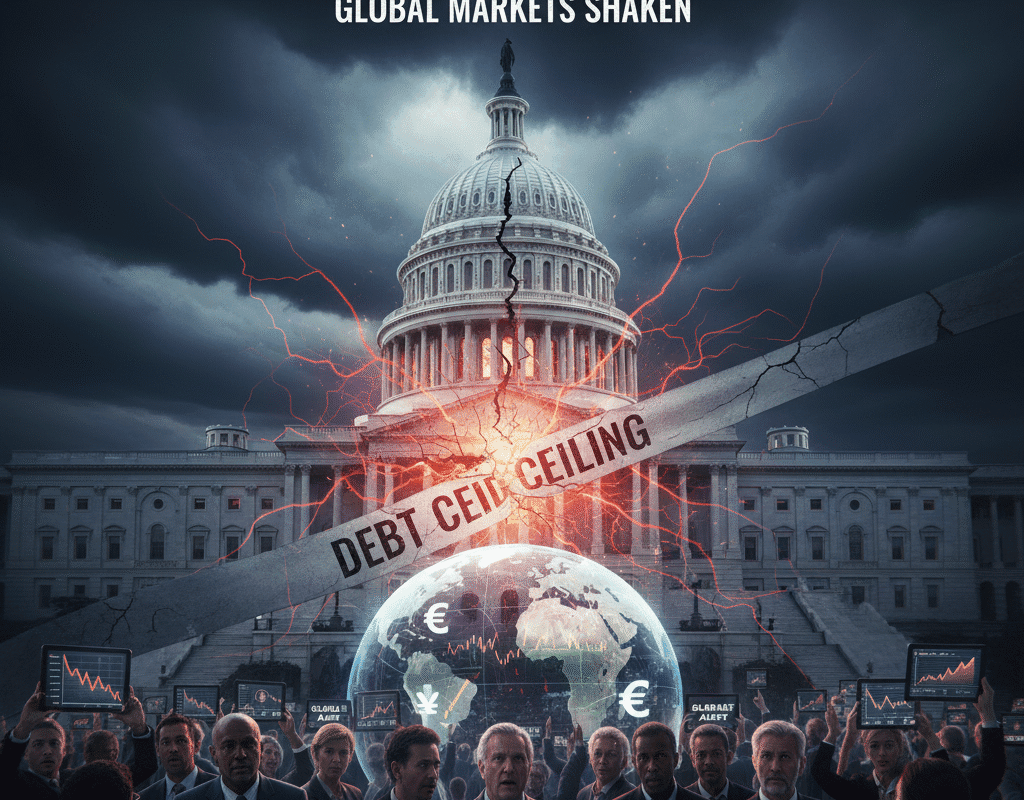
Why the U.S. Debt Ceiling Standoff Shakes Global Markets?
Why the U.S. Debt Ceiling Standoff Shakes Global Markets?
The fight over the debt ceiling is raging in the United States once more, and the consequences go well beyond Washington, D.C. International investors, multinational firms, and worldwide financial markets are preparing for possible economic instability while American politicians argue about fiscal prudence.
Although it may seem like a domestic political problem, the U.S. debt ceiling—basically a statutory cap on the amount the federal government may borrow—has an impact on international markets. Investors, legislators, and the general public must all comprehend the significance of this impasse.
HSBC Cashback Credit Card 2025 – Benefits, Rewards & How to Apply?

Comprehending the US Debt Ceiling
The debt ceiling is a statutory limit on how much the U.S. Treasury can borrow to meet existing legal obligations, including Social Security, Medicare, military salaries, interest on national debt, and other federal programs. It does not authorize new spending but rather allows the government to fulfill commitments already made. The ceiling has been periodically raised or suspended since its creation in 1917 to accommodate the growing federal budget.
Historically, Congress has always acted to prevent default, but standoffs have become increasingly frequent and politically charged. The consequences of failing to raise the debt ceiling, even temporarily, could be catastrophic, both domestically and internationally.
Political Dynamics Behind the Debt Ceiling Standoff
The debt ceiling debate is often framed as a clash between fiscal responsibility and political brinkmanship. Lawmakers advocating for higher borrowing limits argue that failure to act could lead to catastrophic financial consequences, including default on U.S. obligations. Opponents often push for spending cuts or fiscal reforms, viewing the ceiling as leverage to enforce policy changes.
This political tug-of-war can extend over weeks or even months, during which markets remain highly sensitive to news and statements from lawmakers. Each delay amplifies uncertainty, and each headline about potential default can trigger sharp market reactions.
Historical Lessons and Market Reactions
Past debt ceiling crises offer a roadmap for potential market consequences.
- 2011 Debt Ceiling Crisis: The U.S. credit rating was downgraded by Standard & Poor’s, leading to a stock market drop of more than 16% over several weeks. Interest rates on long-term Treasuries increased, and market volatility spiked.
- 2013 Government Shutdown and Debt Ceiling Standoff: While no default occurred, financial markets experienced significant short-term stress, including declines in equity markets and spikes in Treasury yields.
These historical examples demonstrate that even the threat of a default can rattle markets and affect economic confidence worldwide.
The Dollar’s Role in Global Finance
The U.S. dollar is the world’s primary reserve currency, held by central banks globally to facilitate international trade and stabilize economies. Any perceived instability in U.S. debt management can weaken confidence in the dollar. A weaker dollar can increase the cost of imports for the U.S., but it may also destabilize countries holding large reserves of U.S. currency.
A debt default or even prolonged uncertainty could prompt investors to seek alternatives, such as the euro, yen, or gold, potentially leading to long-term shifts in global currency dynamics.
Implications for Emerging Markets
Emerging markets are particularly vulnerable to U.S. debt ceiling crises. Many countries rely on dollar-denominated debt and foreign investment from U.S. markets. Rising U.S. interest rates, triggered by market panic or a credit downgrade, can make it more expensive for these nations to service debt, potentially leading to capital flight, currency depreciation, and inflationary pressures.
Additionally, emerging market stocks and bonds often experience sharp sell-offs when global investors perceive increased risk in U.S. financial markets, highlighting the interconnected nature of today’s global economy.
Business and Corporate Effects
Large multinational corporations with operations in the U.S. or financial exposure to U.S. markets may face increased borrowing costs and decreased investor confidence during a debt ceiling standoff. Business investment decisions can be delayed, hiring may slow, and stock prices may fluctuate. Companies dependent on exports may face uncertainty in foreign markets as well, amplifying the economic impact.
The Human Cost of Political Deadlock
While much of the conversation revolves around markets and economic indicators, a debt ceiling crisis has real consequences for everyday Americans. Government employees could face delayed paychecks, social safety net programs might experience funding interruptions, and consumer confidence could decline. These factors feed back into the economy, further intensifying global market anxiety.
Mitigating the Risks
To minimize the global impact of debt ceiling crises, some experts argue for structural reforms, such as automatic increases in the debt limit to prevent political brinkmanship from threatening financial stability. Strengthening international communication and financial coordination can also reduce the likelihood of panic in global markets.
For investors, diversifying portfolios and closely monitoring U.S. political developments remain essential strategies. While the U.S. has historically avoided catastrophic default, preparation and caution can help mitigate potential losses during periods of uncertainty.
Conclusion: Why the U.S. Debt Ceiling Standoff Shakes Global Markets?
The U.S. debt ceiling standoff is far more than a domestic political drama. Its implications extend across borders, affecting global markets, international investors, and economic stability worldwide. Rising interest rates, stock market volatility, weakened investor confidence, and potential disruptions in emerging markets underscore the high stakes involved.
As policymakers negotiate, the world watches closely, understanding that the outcome will influence not only the U.S. economy but the broader global financial system. The lesson is clear: in today’s interconnected world, a political impasse in Washington can ripple across the globe, reminding us all of the profound economic power and responsibility that comes with managing the U.S. debt.
Why Some States Offer Property Tax Rebates: Benefits, Eligibility, and Trends in 2025
Why Some States Offer Property Tax Rebates: Benefits, Eligibility, and Trends in 2025