 A K
A K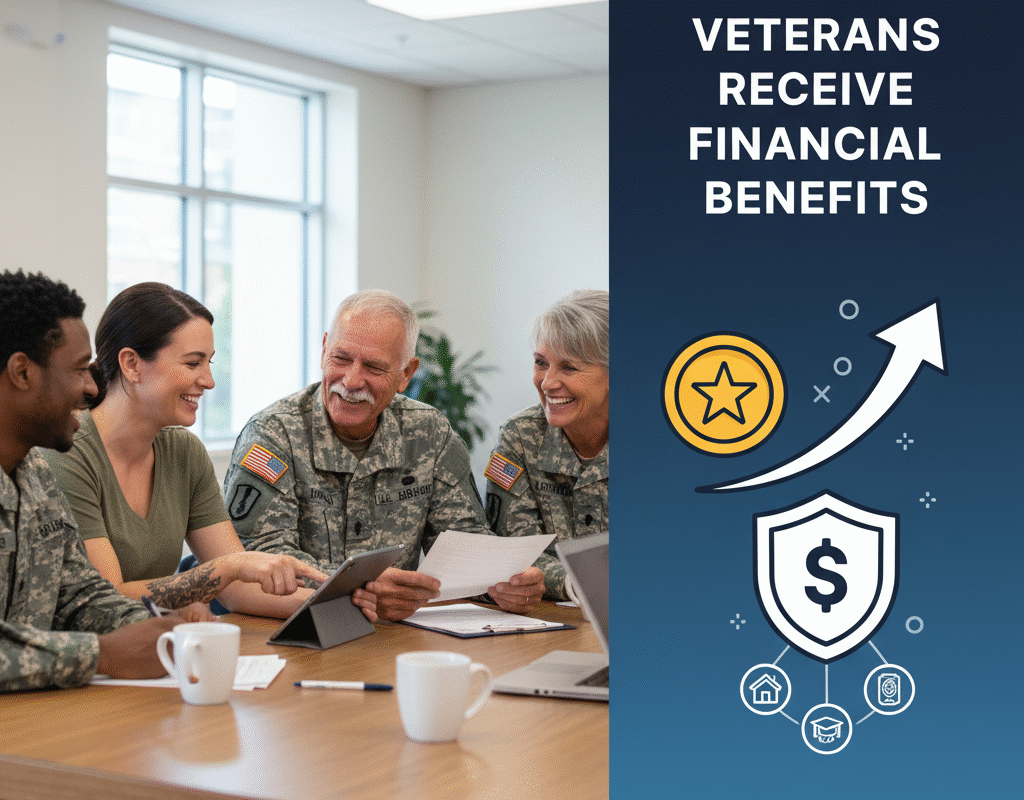
How U.S. Veterans Receive Financial Benefits?
How U.S. Veterans Receive Financial Benefits?
For men and women who have served in the U.S. military, returning to civilian life often brings new challenges—financial, physical, or psychological. Recognising the sacrifice and service of veterans, the United States government provides a broad array of financial benefits to eligible veterans and their families.
These financial support systems aim not only to reward service but also to help veterans build stable lives, manage disabilities incurred in the line of duty, and access education or home-ownership opportunities.
In this article we’ll walk through the major financial benefit programs available to U.S. veterans, highlight how eligibility is determined, explain how veterans can apply, and offer tips for ensuring you receive the full support you’ve earned.
The Basics of Financial Benefits for Veterans
The U.S. Department of Veterans Affairs (VA) and its subsidiary agency, the Veterans Benefits agency (VBA), are at the center of financial assistance for veterans. Many of the standard benefits, including as pensions, home loan guarantees, disability compensation, educational perks, and more, are handled by these organizations.
Many states provide additional veteran benefit programs, such as tax exemptions, free or reduced-cost licenses, educational advantages, and state-level cash stipends, in addition to federal benefits.
Veterans’ financial benefits often fall into one of five major categories: (1) disability and medical support; (2) pensions and survivor benefits; (3) education and employment aid; (4) home-ownership and housing support; and (5) state and municipal supplemental programs. Let’s examine each in more detail.
HSBC Cashback Credit Card 2025 – Benefits, Rewards & How to Apply?

Disability Compensation: Tax-Free Monthly Payments
What is it?
The VA pays a tax-free monthly benefit to veterans who have a disability or condition that is service-connected — meaning it was incurred or aggravated by active military service.
This includes physical injuries, chronic illnesses, and mental health conditions (such as PTSD) that developed before, during, or after service.
How much?
Payment amounts depend on the veteran’s disability rating (10% through 100%) and dependent status (spouse, children, parents). For instance, the 2025 rate table provides monthly amounts depending on rating and dependents.
Eligibility criteria:
Key components of eligibility include:
- Separation or discharge from service for reasons other than dishonourable.
- A currently diagnosed ailment.
- A link between the ailment and the veteran’s military duty (service-connection).
- File a claim with the VA online, by mail, fax, or in person.
Veteran’s Pension and Survivor Benefits
Veterans’ Pension
The VA provides a Pension program to veterans aged 65 and older (or permanently and totally handicapped) who served during a wartime period. The program is means-tested, with income and asset limits.
This pension is different from the disability compensation benefit and is meant to provide further financial assistance to veterans with low income.
Survivor Benefits
- If a veteran dies, their spouse or dependents may be eligible for the following survivor benefits:
- The Survivors Pension (previously the Death Pension) is a monthly benefit paid to a surviving spouse (who has not remarried) or dependent of a deceased war soldier.
- Dependency and Indemnity Compensation (DIC) for death due to a service-connected disability.
Educational and Employment Benefits
GI Bill and Educational Assistance
One of the most well-known benefits for veterans is the Post‑9/11 Veterans Educational Assistance Act of 2008 (commonly called the “Post-9/11 GI Bill”). This program covers tuition, fees, books, and lodging for qualified veterans.
Other programs include the Montgomery GI Bill, Vocational Rehabilitation & Employment (VR&E), and Dependents’ Educational Assistance.
Employment and Career Support
Beyond higher education, the VA and other federal agencies provide employment readiness, job training, resume and career-counselling services. This is especially relevant for veterans with service-connected disabilities.
Homeownership, Housing Grants, and Loans
VA Home Loans
The VA home loan benefit is a valuable financial instrument that enables qualified veterans to purchase, develop, or modify a home with favorable terms such as no down payment and minimal closing costs (depending on eligibility and market).
Housing Grants for Disabled Veterans
For veterans with certain permanent and total service-connected disabilities, the VA provides Specially Adapted Housing (SAH) or Special Housing Adaptation (SHA) funding to build or renovate dwellings for mobility or access.
Conclusion: How U.S. Veterans Receive Financial Benefits?
America’s veterans have earned more than just gratitude; they have also earned access to a comprehensive system of financial benefits designed to assist them and their families as they transition from military to civilian life and build the future they deserve.
The range of programs is vast, ranging from tax-free disability compensation to home-loan benefits, school help, and state-level bonuses—and the issue is often determining what is available and how to apply.
If you or someone you know is a veteran-eligible for these benefits, take action. Review your eligibility, prepare your documentation, consult trusted veteran resources, and file your claims. The benefits are not just an honor; they’re a practical foundation for long-term financial security.
How Home Equity Lines of Credit (HELOCs) Work in the U.S. — A Complete Guide for Homeowners
How Home Equity Lines of Credit (HELOCs) Work in the U.S. — A Complete Guide for Homeowners